The Quietest Role of Her Career
Hall was candid about the challenge:
“This was the quietest role of my career.”
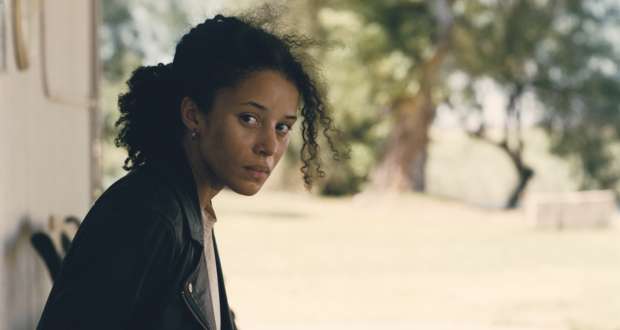
Silence might sound easier than a script full of punchlines, but Hall found the restraint to be its own test. Playing Deandra meant removing rather than adding, holding back emotion instead of releasing it in obvious ways. She became the character audiences lean in to watch rather than one who pushes energy outward.
Deandra’s job in the story is simple yet vital: protect a child and keep a fractured community from collapsing. The role is about service to the story rather than personal spotlight, something Hall said was both grounding and humbling.
Deandra as the Anchor

At the press conference, Hall described Deandra’s importance plainly:
“She has to take this beautiful little girl and do the best she can to keep her safe.”
In a narrative fueled by action and spectacle, Deandra is the quiet voice of care. She steadies Willa, the young girl at the center of the story, and by extension steadies the audience. Her character reminds viewers what is really at stake when revolution and violence threaten to overwhelm the personal.
Anderson has always excelled at weaving grounded human performances into big, unwieldy narratives. With Hall, he found an anchor who could keep the film emotionally coherent while chaos raged around her.
The Challenge of Playing Quiet
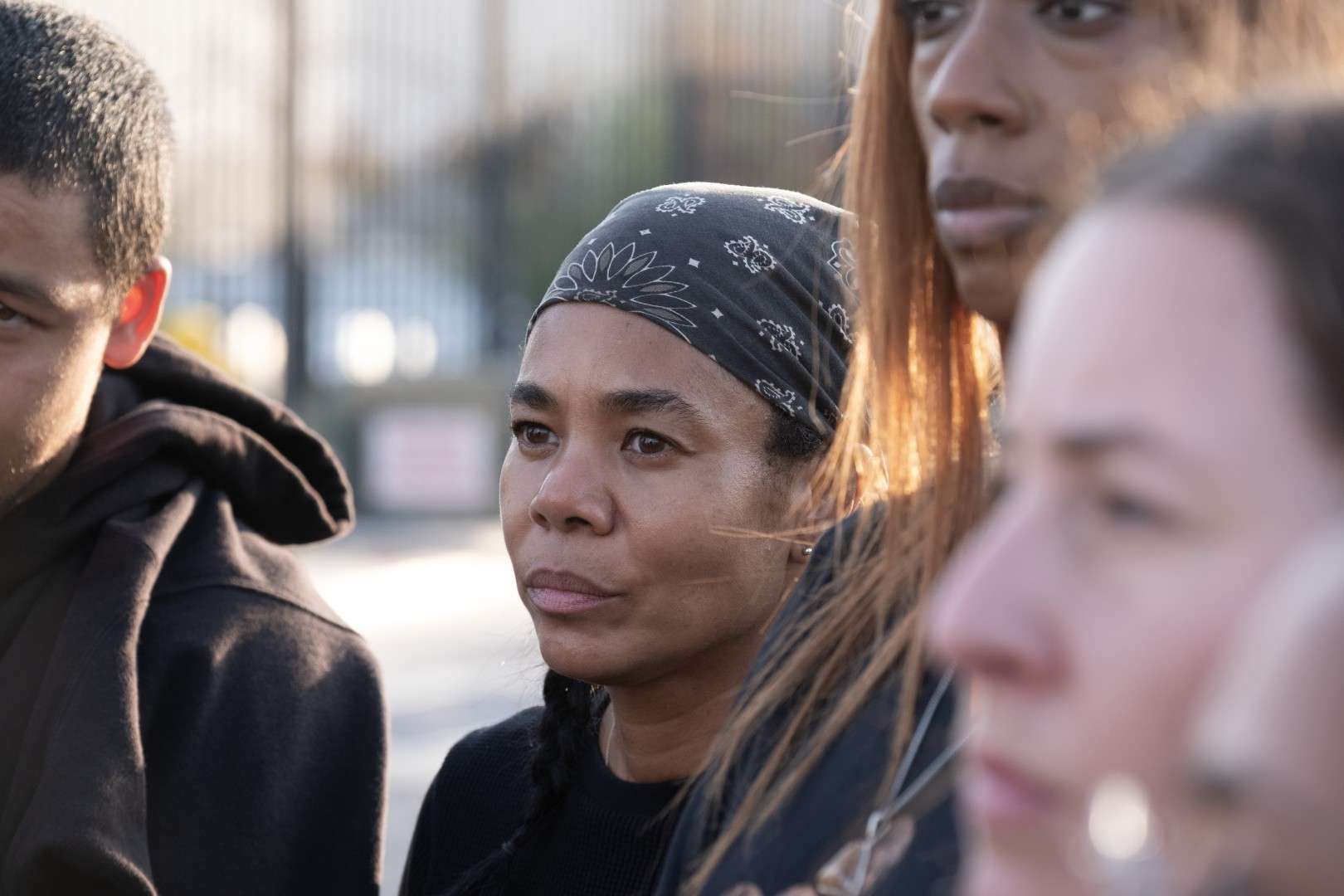
Comedy is about rhythm. Hall knows how to hit a line and flip a scene. But in One Battle After Another, the challenge was to stay still, to let silence speak louder than punchlines.
Instead of pushing, she leaned back. Instead of commanding with dialogue, she commanded with presence. That takes discipline, and Hall admitted that she had to adjust her instincts. The result is a performance that pulls the audience closer, making her silences louder than any shouted line.
Regina Being Regina
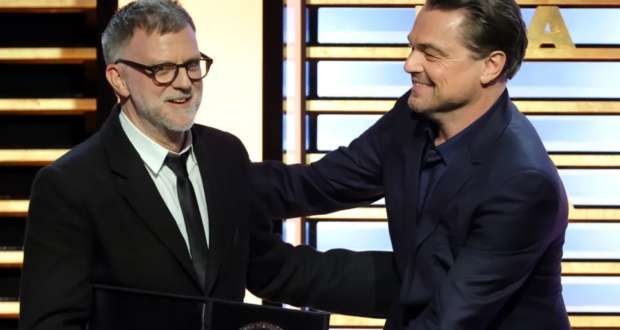
Of course, anyone expecting Hall to remain completely serious at a press conference has never seen her work a room. While describing her nerves about working with Paul Thomas Anderson, she could not resist spinning a joke:
“I was nervous because I knew him before, and so I was a big PTA fan. Then we met and I moved in with him and the children. No, I did not. That is a lie. Please, see that in an article. I moved in with Leo. No, that is a lie too.”
She cracked up the room, playing off the microphone feedback and tossing jokes like someone who simply cannot suppress her natural timing. Even in her “quietest role,” the Regina Hall everyone knows is still there: witty, playful, and irrepressibly funny.
That duality is part of what makes her turn as Deandra work. The stillness on screen is a conscious choice, not a limitation. We know Hall could light the room up with a one liner, which makes her restraint even more powerful.
Working with Paul Thomas Anderson
Hall admitted she was nervous at first. She admired Anderson long before she worked with him, and once they became friends, the pressure oddly increased. But she discovered that his style is looser than expected.
“He kind of undoes,” she said. Rather than pushing her into rigid direction, Anderson encouraged her to strip back and trust herself. That trust helped her lean into silence and discover how powerful it could be.
The Power of Stillness
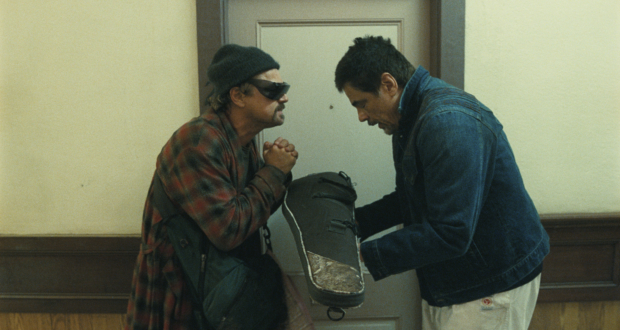
In a film where Leonardo DiCaprio channels The Dude and Benicio del Toro brings in chaotic comic energy, Hall’s performance could have been overshadowed. Instead, her stillness makes her stand out.
Quietness in cinema is radical. It demands audiences pay attention. It draws focus without raising volume. Hall proves that silence can be as commanding as laughter, and that stillness can shake a scene more than noise.
Regina Hall’s Quiet Revolution
For Regina Hall, playing Deandra was about finding power in silence. The quietest role of her career may also be one of her most impactful. In grounding a sprawling narrative, she shows the resilience of those who quietly protect others, often without recognition.
And if her jokes at the press conference are any clue, she is still Regina Hall at heart: funny, playful, and impossible not to love. The difference is that now she has shown audiences how powerful she can be when she lets silence do the talking.