There are some roles that come with pressure, and then there are roles that come with history breathing down your neck like it paid rent. Playing Katherine Jackson in Michael definitely falls into that second category.
When I spoke with Nia Long about stepping into the role, what stood out right away was how grounded her approach was. She did not start by talking about the scale of the production, the fame surrounding the Jackson family, or even the challenge of portraying one of the most recognizable matriarchs in entertainment history. She started with something more intimate. She started with motherhood.
That turned out to be the key to everything.
Nia Long Approached Katherine Jackson Through Protection and Love

When I asked Long what hit her first emotionally after realizing she would be playing Katherine Jackson, her answer went straight to the responsibility of raising a child with enormous purpose and talent. She talked about nurturing that child, protecting him, and creating a safe space where he feels loved and secure. That was the emotional entry point for her. Not the celebrity. Not the legacy. The care.
And honestly, that is what makes this angle so strong.
Anybody can show up to a role like this trying to capture the public image. What Long was chasing was the emotional truth behind it. She wanted the audience to feel something real, and she understood that Katherine’s power was not loud. It was steady. It was protective. It was the kind of strength that keeps the room from falling apart while everybody else is busy becoming history.
Long also connected that work to her own life as a mother. She spoke about being a “boy mom” and described the kind of deep, almost unspoken connection she has with her children. That personal experience clearly gave her a strong emotional lane into Katherine. You can hear in her answer that she was not playing motherhood as an abstract idea. She was drawing from something lived in, something she knows in her bones.
Katherine Jackson Was the Quiet Force Holding It All Together
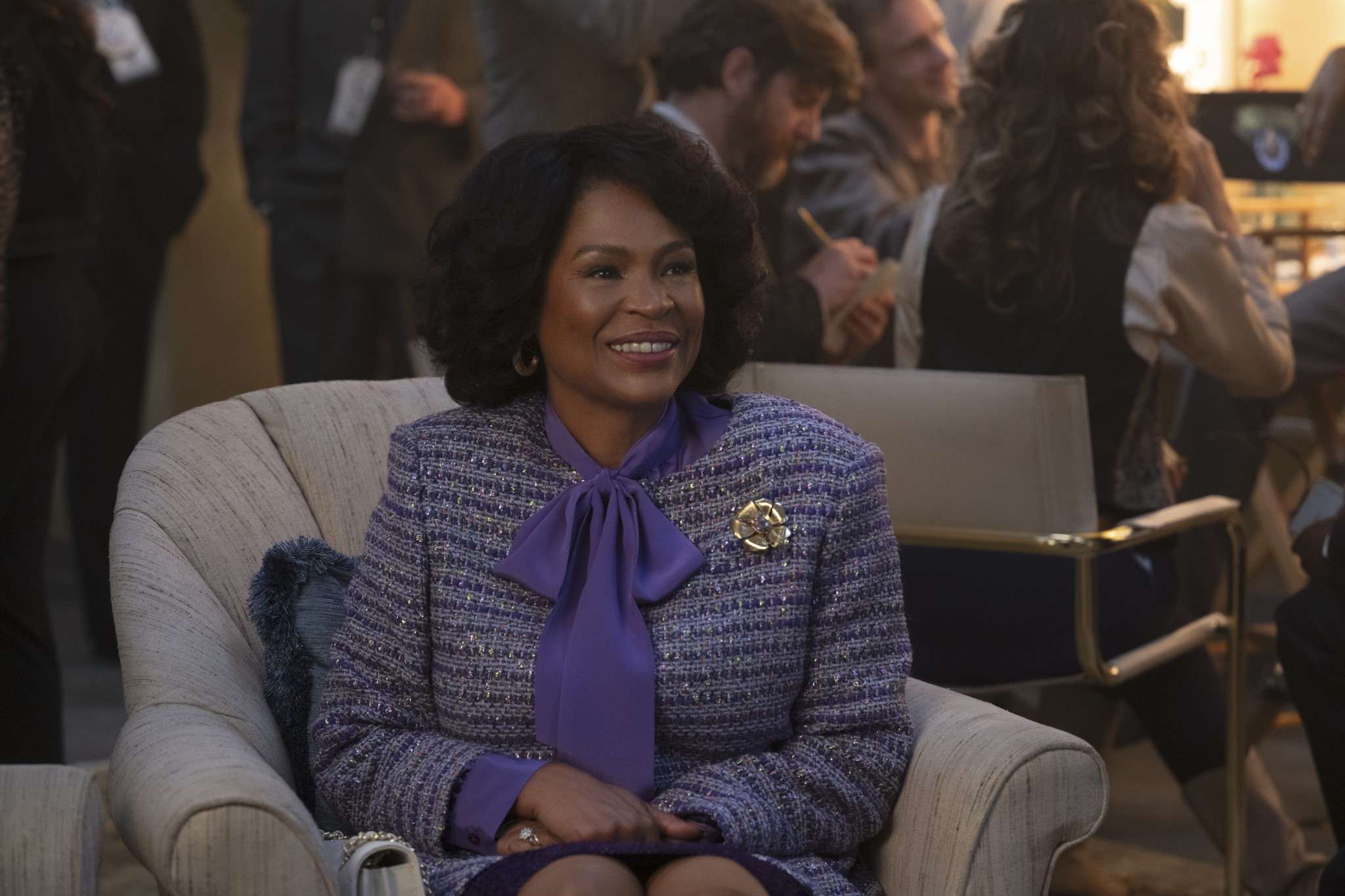
I brought up something Antoine Fuqua had told me earlier, that he sees Katherine Jackson as one of the unsung heroes of this story. Long did not hesitate to build on that.
She described Katherine through what she called “divine feminine energy,” saying that early on, Katherine understood the assignment. That phrase alone tells you a lot. Long sees her as a woman of grace, patience, kindness, service, and protection. A woman whose focus was not just on her children, but on the greater purpose around them.
That answer hits because it reframes Katherine Jackson in a way a lot of audiences may not have fully considered. We tend to think about Michael Jackson’s story through fame, music, performance, and pressure. But behind all of that was a mother trying to guide a family with extraordinary talent through extraordinary circumstances. Nia Long’s take on Katherine is not flashy, and that is exactly why it works. She sees the strength in the restraint.
That same idea carried into how she talked about Antoine Fuqua’s direction. Long said he reminded her to trust the process and to understand that this woman came from a very different time. The role of women then was not always about being vocal in the way modern audiences might expect. Sometimes it was about observing, holding your truth, guiding the ship quietly, and still shaping everything around you.
That is a really interesting angle for a performance like this because it suggests Katherine’s influence may be felt not through grand speeches, but through presence. Through calm. Through patience. Through the kind of wisdom that does not need to announce itself every five minutes like it is running for office.
Nia Long Built a Real Connection With the Actors Playing Michael
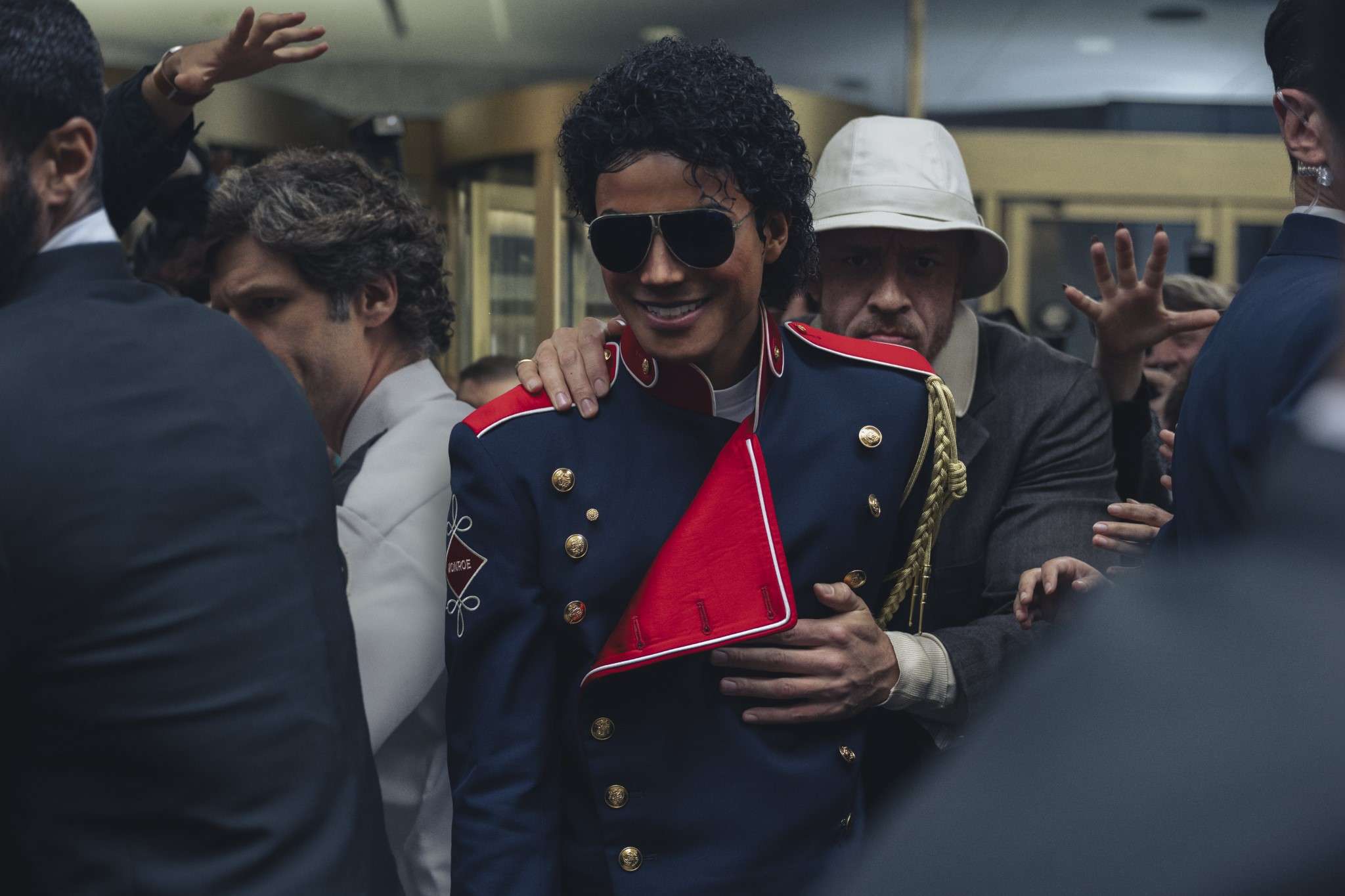
One detail from Long’s interview that I really liked was how intentional she was about building a connection with both actors playing Michael. She mentioned wanting to maintain that consistent emotional bond with Jaafar Jackson and Juliano, since she was essentially mothering two versions of Michael during the filmmaking process.
That matters more than people might think.
If this movie is going to work emotionally, the audience has to believe that Katherine was not just present in Michael’s life, but deeply connected to him. That kind of chemistry does not just happen because the script says so. It has to be built. And from the way Long described it, she was very intentional about making sure that connection stayed alive throughout production.
It is one of those behind-the-scenes details that says a lot about the seriousness of her approach. She was not just there to wear the costumes and hit the marks. She was there to create a believable emotional foundation.
The Moment Nia Long Thinks Will Hit Audiences the Hardest
By the end of our conversation, I asked Long what part of Michael she believes is really going to hit audiences the hardest once they see the full film. Her answer was immediate and heavy.
She pointed to what Michael Jackson went through after the Pepsi commercial fire. Long said people may remember hearing about it or seeing bits and pieces at the time, but she does not think most people truly understand the level of pain he was in or how deeply that incident changed his life moving forward. She said there was a sadness in him after that moment.
That is a powerful answer because it points to something deeper than a headline moment. The Pepsi accident was public. The pain behind it was not. And if Michael really explores that shift the way Long suggests, that could end up being one of the film’s most emotionally revealing sections.
It is also the kind of detail that reminds you this film may not just be interested in the applause. It may be more interested in the wounds.
Nia Long May Be Bringing the Soul of Michael
What makes Nia Long’s perspective on Michael so compelling is that she never talked about Katherine Jackson like a supporting character in someone else’s legend. She talked about her like the emotional center of the storm. The safe place. The guide. The woman who understood what her child carried and tried to love him through it.
That makes her role feel essential, not decorative.
If Antoine Fuqua is trying to tell a story about the human being behind the icon, then Nia Long may be helping anchor the film in the place where that humanity begins: home. Not the stage. Not the spotlight. Home.
Sometimes the biggest story is not the star in the spotlight. It is the person holding the light on for them at home.
And that could end up being the part of Michael that stays with audiences the longest.