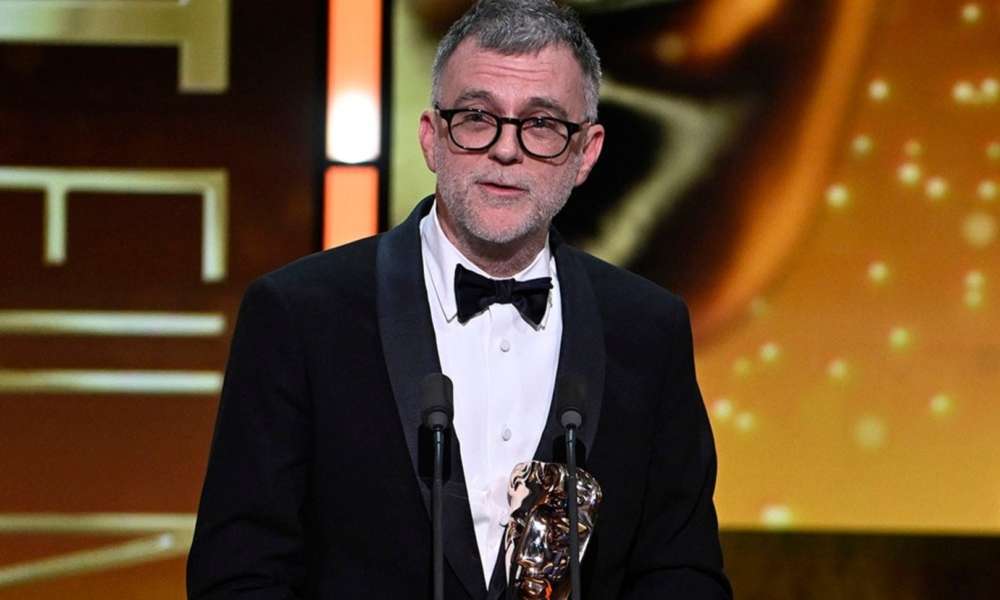

On Sunday night Paul Thomas Anderson accepted the BAFTA Best Director award. After the applause, a reporter asked if he could comment on the current political climate. Anderson paused, then answered that he would not speak as a politician. He said, “I am a filmmaker, not a politician.” This brief reply sparked a wave of discussion across social media and entertainment news.
Anderson explained that his confidence lies in making movies, not in delivering political sound bites. He told the press room that he prefers to let his work speak for itself. He added that trying to craft “intelligent things” in a press interview would feel forced. By focusing on his craft, he hopes audiences receive his perspective through the film itself.
Why Filmmakers Choose to Stay Apolitical
Many creators at major festivals have chosen to avoid political questions. At the Berlin Film Festival, artists such as Wim Wenders and Ethan Hawke declined to discuss topics like ICE or Gaza. The festival issued a statement that artists should not be expected to comment on every issue. This trend shows a growing desire among filmmakers to keep the spotlight on their art rather than personal beliefs.
Impact of One Battle After Another
Anderson’s latest film, One Battle After Another, depicts clashes between ICE‑like agents and radical protestors. Critics on the right have labeled the movie a reckless ode to radical terrorism. Despite the backlash, Anderson and his cast have kept the marketing campaign strictly about the film. The director has said he began writing the story after There Will Be Blood and that the script was ready before the pandemic halted production. He insists the narrative was not meant to mirror any specific Trump‑era events.
Because Anderson rarely makes public political statements, his silence at the BAFTA press conference feels consistent with his past behavior. Over his 30‑year career he has avoided aligning with any party, candidate, or movement. Even when interviewers press for a stance, he redirects the conversation to his movies.
Nevertheless, some observers link the themes of One Battle After Another to far‑left activism. They argue that the film’s portrayal of protest and authority reflects a broader political message. Anderson’s refusal to answer directly leaves room for speculation, but it also reinforces his belief that cinema is the proper vehicle for his ideas.
In the end, Anderson’s statement at BAFTA adds another chapter to the ongoing Hollywood political debate. By declaring himself a filmmaker first, he joins a growing number of creators who choose to let their work speak louder than any interview.
Source: World of Reel