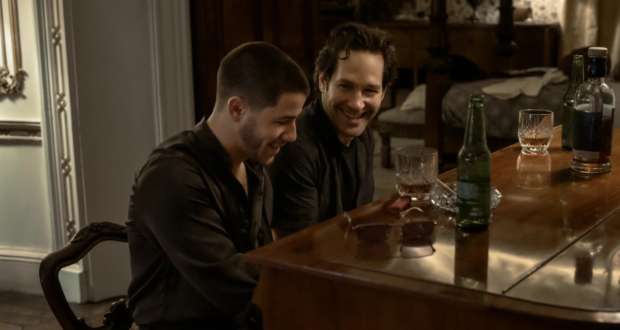
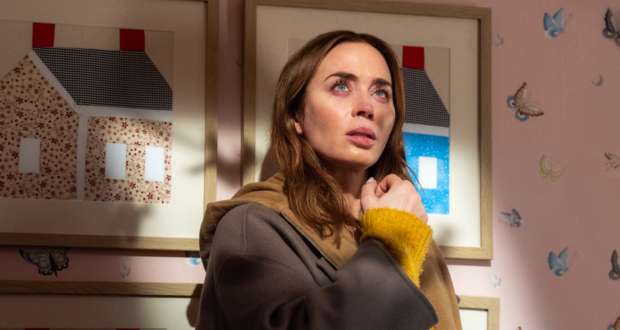
There have been countless interpretations of Robin Hood across film and television, but The Death of Robin Hood takes an unexpectedly severe route. Rather than celebrate the mythology of the noble outlaw who steals from the rich and gives to the poor, writer-director Michael Sarnoski approaches the legend as something closer to a confession. This is not an adventure story, nor is it interested in swashbuckling heroics or romantic folklore. Instead, it asks a difficult question: what happens when a man survives long enough to become haunted by everything people once called heroism?
A Legend Reconsidered:
The result is a somber, meditative thriller that often feels closer to a character study than a traditional historical drama. Anchored by a committed performance from Hugh Jackman, the film is emotionally serious and visually compelling, but its deliberate pacing and uneven dramatic momentum stop it from reaching the devastating heights it seems to aim for.
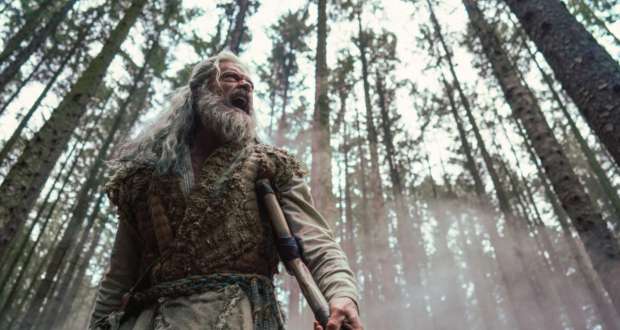
Sarnoski’s version of Robin is a far cry from the charismatic folk champion audiences may expect. When we meet him, he is isolated, exhausted, and deeply uncomfortable with the myth that surrounds his name. The stories told about Robin Hood portray rebellion and justice; the man himself remembers bloodshed and death. That inversion becomes the film’s defining idea.
Guilt Over Glory:
The opening stretch establishes an atmosphere of unease and regret rather than excitement. Robin is no longer a symbol of resistance—he is a man living in self-imposed exile, carrying memories that have become impossible to separate from his identity. Sarnoski avoids romanticizing violence and instead frames Robin’s past as something corrosive. Every encounter feels weighted by consequences.
This approach gives the film an unusual identity for a medieval thriller. There are moments of action, but they arrive abruptly and with ugly finality. The violence is not staged to energize the audience; it is there to remind viewers that legends are often built from acts people later struggle to justify.
Hugh Jackman is excellent in this interpretation. His Robin isn’t theatrical or larger-than-life. Instead, Jackman plays him with restraint, allowing exhaustion and guilt to shape every scene. He gives the impression of someone who no longer believes he deserves affection or admiration. There is physical weariness in his performance, but more importantly, there is emotional erosion.
Strong Performances Carry the Weight:
Jackman’s strongest scenes are often the quietest. Small gestures—a hesitation before speaking, uncertainty during moments of kindness, flashes of discomfort when confronted with admiration—communicate more than speeches ever could. It is one of his more subdued performances in recent years, and one that works because it resists turning suffering into spectacle.
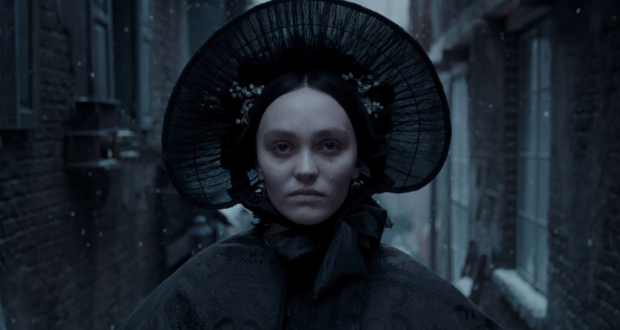
Opposite him, Jodie Comer delivers perhaps the film’s most layered performance as Sister Brigid. Her character initially appears to represent sanctuary and healing, but Comer gradually reveals complexities beneath that surface. She avoids making Brigid purely nurturing or symbolic. Instead, she becomes a person with her own wounds, beliefs, and complicated reactions to Robin’s presence.
The relationship between Robin and Brigid is where the film finds most of its emotional interest. Their conversations carry a sense of caution and restraint that feels believable for two people carrying very different kinds of pain. Sarnoski wisely avoids turning their connection into something sentimental. Instead, their dynamic revolves around questions of guilt, redemption, and whether people deserve peace after causing suffering.
A World Defined by Isolation:
Elsewhere, Bill Skarsgård gives Little John a melancholy quality that makes his limited screen time memorable. Their shared history feels worn-in and authentic. Murray Bartlett also leaves a strong impression in a supporting role that introduces some of the film’s most thoughtful reflections on identity and forgiveness.
Noah Jupe brings a quieter energy that complements the older characters well, even if parts of his storyline feel underdeveloped.
The Death of Robin Hood succeeds in creating a world that feels isolated and weathered. Sarnoski and his cinematography team lean heavily into muted landscapes, grey skies, and natural textures. Forests do not look enchanted; they look cold and unforgiving. Interiors are sparse and dimly lit, emphasizing discomfort rather than nostalgia. There is a recurring sense that the world has moved on and left Robin behind.
That atmosphere becomes one of the film’s greatest strengths, especially during its middle section. Scenes set in the priory carry an almost dreamlike stillness that contrasts effectively with the harsher sequences earlier in the story. The setting feels removed from the violence of Robin’s life while never fully escaping its shadow. Yet this deliberate pacing also becomes the source of the film’s biggest issues.
Where the Film Stumbles:
At over two hours, The Death of Robin Hood sometimes mistakes slowness for depth. Extended stretches of introspection and silence occasionally stall momentum instead of enriching character development. The film repeatedly circles similar emotional ideas without always uncovering new dimensions. There are points where the narrative feels less like a progression and more like a series of variations on guilt.
Sarnoski clearly wants the audience to sit with Robin’s regret, but the script occasionally becomes too repetitive in expressing it. Supporting characters often arrive with intriguing possibilities only to disappear before their stories gain meaningful weight. Some dramatic revelations land effectively; others feel underexplored because the film prioritizes mood over momentum. That imbalance makes the final act somewhat frustrating.
The ending reaches for emotional catharsis and thematic closure, and while individual moments carry power, the larger emotional payoff feels slightly distant. The ideas are strong, but the execution remains measured to a fault. Rather than leaving devastated, viewers may leave appreciating the ambition more than feeling transformed by it. Still, there is something admirable about how committed this film is to its perspective.
Overall:
Modern reinterpretations of legendary figures often try to reinvent them through spectacle or irony. The Death of Robin Hood instead dismantles the mythology and asks whether heroism survives once stories end and consequences remain. It does not offer easy redemption, triumphant victories, or comforting conclusions. That commitment gives the film identity even when it loses momentum.
For audiences expecting sword fights, adventure, and triumphant rebellion, this interpretation may feel surprisingly cold. For viewers interested in a reflective, morally complicated examination of aging, memory, and legacy, there is enough here to admire.
The Death of Robin Hood is a bold but uneven reimagining—thoughtful, beautifully acted, and emotionally serious, yet occasionally trapped by its own solemnity. It strips away the legend to reveal the man underneath, but in doing so, it sometimes forgets that even tragedies need dramatic urgency.
The Death of Robin Hood Review: Stripping the Legend Bare
-
Acting - 6/10
6/10
-
Cinematography/Visual Effects - 8/10
8/10
-
Plot/Screenplay - 4.5/10
4.5/10
-
Setting/Theme - 4.5/10
4.5/10
-
Watchability - 6/10
6/10
-
Rewatchability - 4/10
4/10
Overall
Summary
Modern reinterpretations of legendary figures often try to reinvent them through spectacle or irony. The Death of Robin Hood instead dismantles the mythology and asks whether heroism survives once stories end and consequences remain. It does not offer easy redemption, triumphant victories, or comforting conclusions. That commitment gives the film identity even when it loses momentum.
Pros
- Hugh Jackman delivers a restrained and emotionally textured performance
- Jodie Comer brings complexity and depth to Sister Brigid
- Distinctive reinterpretation of the Robin Hood mythos
Cons
- Slow pacing can become repetitive
- Emotional beats do not always land with full force
- Supporting characters occasionally feel underdeveloped
Summary: The Death of Robin Hood is a bold but uneven reimagining—thoughtful, beautifully acted, and emotionally serious, yet occasionally trapped by its own solemnity. It strips away the legend to reveal the man underneath, but in doing so, it sometimes forgets that even tragedies need dramatic urgency.