Sports comedies live and die by two things: the chemistry between their ensemble and whether they can make audiences care about a game they may know little about. The Dink, director Josh Greenbaum‘s comedy centered on the exploding popularity of pickleball, has an undeniably amusing premise. It pits traditional tennis against its younger, rapidly growing cousin while following a washed-up former tennis prodigy who refuses to accept that the sport he loves has been overtaken by something he considers ridiculous. On paper, it sounds like fertile ground for a smart generational comedy, complete with underdog sports movie clichés turned on their head. Unfortunately, The Dink rarely capitalizes on its potential, settling instead for broad jokes, predictable storytelling, and a surprisingly toothless satire of modern sports culture. While the cast does their best to keep the film afloat, the screenplay repeatedly returns the ball into the net.
A Swing and a Miss:
Jake Johnson stars as Dustin Boyd, a once-promising child tennis sensation whose professional aspirations collapsed long ago. Now in his forties, Dustin spends his days teaching uninspired tennis lessons while desperately trying to earn the respect of his stern father Chuck (Ed Harris). When pickleball begins replacing tennis courts at his father’s struggling club, Dustin declares war against what he sees as the “fake sport” threatening everything he holds dear. However, an injury forces him to reconsider his stubborn outlook, eventually leading him to an unlikely friendship with Candace (Mary Steenburgen), an enthusiastic pickleball player who introduces him to a different perspective.
The film wastes little time establishing Dustin as an immature man trapped in the past, but it struggles to make him particularly interesting. Johnson has always excelled at portraying lovable losers with effortless charm, and he certainly brings that familiar energy here. His sarcastic delivery and natural comedic timing generate several genuine laughs, particularly during scenes where Dustin’s inflated ego crashes into reality. Yet the screenplay never develops him beyond the familiar blueprint of the aging athlete who refuses to move on. Every emotional revelation arrives exactly when expected, making his journey feel less earned than mechanically assembled from countless sports movie templates.
Strong Performances Trapped in a Weak Script:
Josh Greenbaum has demonstrated a knack for balancing absurd comedy with sincerity in previous work, but The Dink never finds that balance. The opening act leans heavily into mocking pickleball and its devoted community, painting nearly every enthusiast as either hopelessly obsessive or blissfully clueless. While there is certainly room for playful satire surrounding the sport’s meteoric rise, the jokes quickly become repetitive. Nearly every gag revolves around how seriously middle-aged players take pickleball or how ridiculous its terminology sounds. After the tenth variation of essentially the same joke, the humor begins wearing thin.
Ironically, the film improves once it stops ridiculing pickleball and starts embracing it. Mary Steenburgen provides the movie’s strongest performance as Candace, bringing warmth and sincerity that contrasts nicely with Dustin’s bitterness. She never treats Candace as the punchline, allowing the character’s optimism to feel authentic instead of naïve. The friendship between Dustin and Candace gradually becomes the emotional center of the story, offering glimpses of the heartfelt movie hiding beneath the barrage of sitcom-style humor. Their scenes together possess an easy chemistry that makes the surrounding material seem even more uneven by comparison.
Unfortunately, every time the emotional momentum begins building, Sean Clements‘ screenplay interrupts it with another exaggerated comedic detour. Ben Stiller appears as the eccentric Dr. Stone, whose role feels less like an actual character than an extended comedy sketch. Stiller commits fully to the bizarre performance, delivering his dialogue with complete conviction, but the character never integrates naturally into the narrative. His scenes exist almost entirely to generate awkward laughs, and while a few land successfully, most feel disconnected from Dustin’s larger journey.
Missed Opportunities Across the Court:
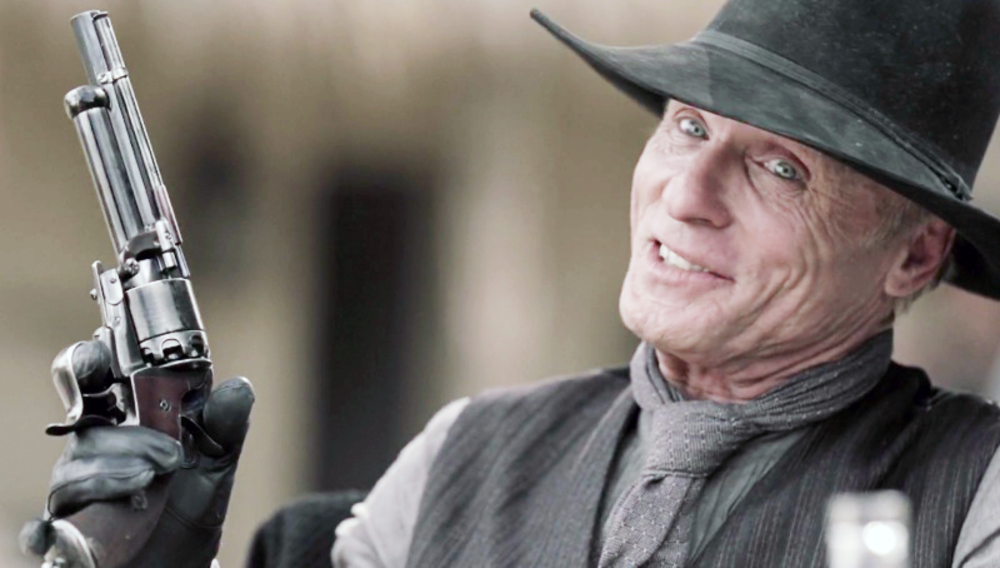
Ed Harris lends his usual gravitas to Chuck Boyd, but even an actor of his caliber cannot elevate dialogue that rarely rises above familiar father-son conflict. Chuck spends much of the film alternating between disappointment and emotional distance before inevitably softening near the conclusion. Harris sells the sincerity whenever possible, yet his character feels frustratingly underwritten. The strained relationship between father and son should provide the film’s emotional engine, but it remains surprisingly shallow throughout most of the runtime.
One of the film’s biggest missed opportunities lies in its exploration of pickleball itself. The sport has become a fascinating cultural phenomenon, exploding in popularity across generations while sparking debates among longtime tennis enthusiasts. The Dink touches on these ideas without ever digging beneath the surface. Instead of examining why pickleball has resonated with so many players or how recreational sports foster community, the movie relies on simplistic “old versus new” conflicts that resolve with little complexity. The result is a story that feels strangely detached from the very subject it aims to celebrate.
The inclusion of tennis legends Andy Roddick and John McEnroe initially seems promising, but both are underutilized. Their appearances function primarily as novelty cameos rather than meaningful contributions to the story. Fans may enjoy spotting familiar faces, yet neither player receives enough screen time to leave much of an impression. Their presence often feels like a marketing hook rather than an integral part of the narrative.
An Easy Watch That Lacks Staying Power:
From a technical standpoint, The Dink is perfectly competent but rarely inspired. Greenbaum stages the pickleball matches with enough energy to keep them visually engaging, though they lack the excitement found in stronger sports films. The editing occasionally undermines the action by cutting too frequently during rallies, preventing viewers from appreciating the athleticism involved. Meanwhile, the cinematography embraces a bright, colorful aesthetic that fits the film’s lighthearted ambitions but never creates a distinctive visual identity.
The pacing presents another issue. At just under two hours, the movie feels considerably longer than necessary. Entire subplots appear only to disappear without meaningful payoff, while several supporting characters exist solely to deliver one-note jokes. Aaron Chen’s PJ offers occasional comic relief, but the screenplay gives him little purpose beyond reacting to Dustin’s increasingly absurd behavior. Trimming twenty minutes from the runtime would have significantly improved the film’s momentum.
Despite its shortcomings, The Dink is not without charm. Johnson remains an inherently likable screen presence, even when the material lets him down. Steenburgen elevates every scene she inhabits, reminding audiences how effortlessly she can balance humor and genuine emotion. Several individual jokes land effectively, particularly those built around Johnson’s dry delivery rather than exaggerated slapstick. The film also deserves some credit for eventually abandoning its cynical attitude toward pickleball in favor of a more welcoming message about embracing change and finding joy wherever it appears.
Overall:
Even so, good intentions cannot compensate for inconsistent execution. The emotional beats feel rushed, the comedy swings wildly between clever and painfully obvious, and the predictable narrative never surprises. Every major development unfolds exactly as expected, leaving little dramatic tension. The film wants to celebrate second chances, family reconciliation, and discovering new passions later in life, but these themes remain frustratingly underexplored beneath layers of uneven humor.
Ultimately, The Dink serves as a pleasant but forgettable sports comedy that never fully commits to either satire or heartfelt drama. It contains enough amusing performances to make it watchable, particularly from Jake Johnson and Mary Steenburgen, but they’re working with a screenplay that mistakes familiarity for comfort and repetition for comedy. What could have been an insightful look at changing traditions and unexpected friendships instead becomes another formulaic redemption story with a pickleball gimmick attached.
Fans of the cast may find enough entertainment to justify a casual viewing, but most audiences will likely forget the experience shortly after the credits roll. Like an easy shot that somehow lands in the net, The Dink had every opportunity to score and instead settles for an unremarkable loss.
The Dink Review: Serving Up Weak Comedy
-
Acting - 6/10
6/10
-
Cinematography/Visual Effects - 6/10
6/10
-
Plot/Screenplay - 4/10
4/10
-
Setting/Theme - 4/10
4/10
-
Watchability - 3/10
3/10
-
Rewatchability - 2/10
2/10
Overall
Summary
Ultimately, The Dink serves as a pleasant but forgettable sports comedy that never fully commits to either satire or heartfelt drama. It contains enough amusing performances to make it watchable, particularly from Jake Johnson and Mary Steenburgen, but they’re working with a screenplay that mistakes familiarity for comfort and repetition for comedy. What could have been an insightful look at changing traditions and unexpected friendships instead becomes another formulaic redemption story with a pickleball gimmick attached.
Pros
- Jake Johnson is consistently charismatic and carries the film through his natural comedic timing.
- Mary Steenburgen delivers the strongest performance, adding warmth and emotional sincerity.
- The friendship between Dustin and Candace provides the film’s most engaging and heartfelt moments.
Cons
- A predictable, formulaic screenplay follows every sports comedy cliché without offering fresh ideas.
- The satire of pickleball quickly becomes repetitive, relying on the same jokes throughout the first half.
- Ben Stiller’s character feels disconnected from the main story and exists mostly for random comedy.
- Ed Harris is given very little to work with, resulting in an underdeveloped father-son relationship.
- Andy Roddick and John McEnroe are wasted in little more than cameo appearances.
- The film never meaningfully explores the cultural phenomenon of pickleball beyond surface-level observations
Summary: Fans of the cast may find enough entertainment to justify a casual viewing, but most audiences will likely forget the experience shortly after the credits roll. Like an easy shot that somehow lands in the net, The Dink had every opportunity to score and instead settles for an unremarkable loss.