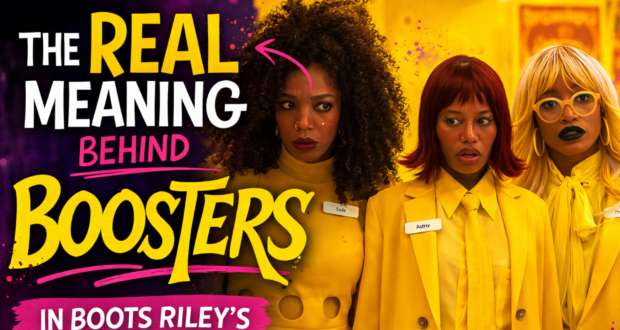
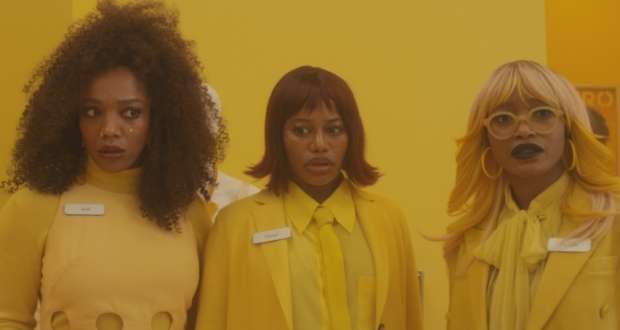
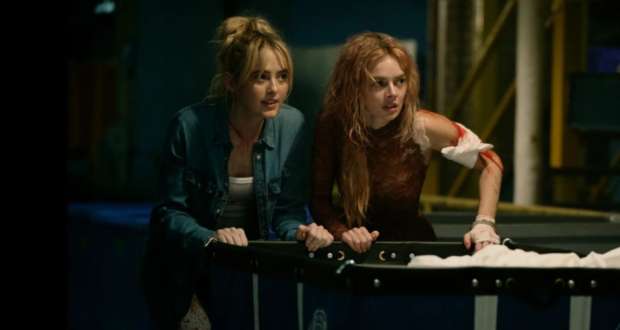
At first glance, the title I Love Boosters sounds like it belongs to a crime comedy. The film follows a crew of shoplifters who specialize in stealing high-end retail goods. But according to director Boots Riley, the concept of “boosters” represents something much deeper than a simple criminal enterprise.
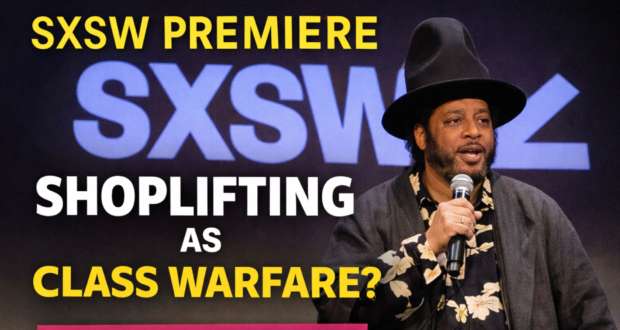
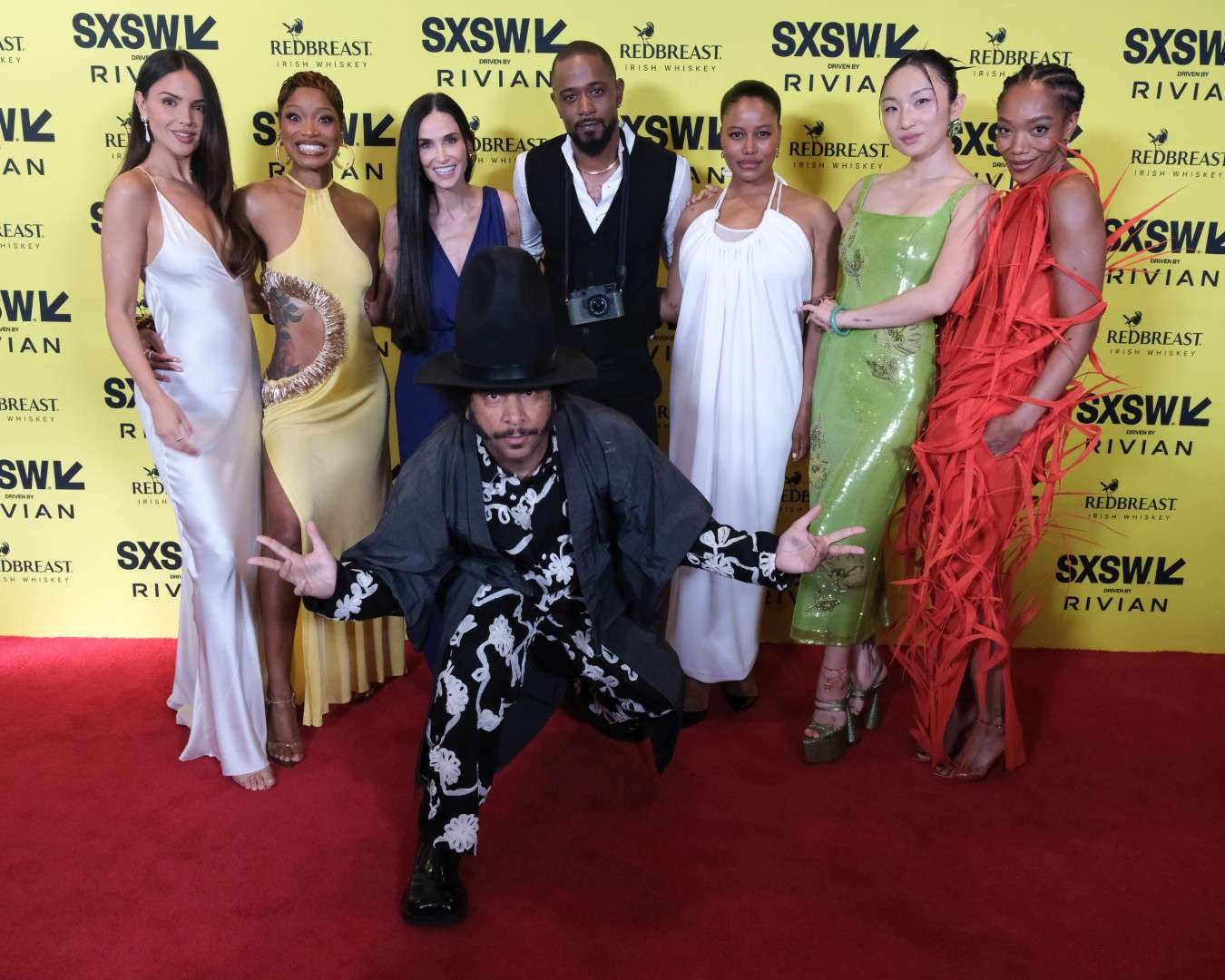
During the SXSW 2026 premiere discussion, Riley revealed that the idea has been in his mind for nearly two decades. The concept even traces back to a song he wrote in 2006 called I Love Boosters. The original inspiration came from thinking about fashion and culture as forms of art, and who gets to participate in them.
Boosting as Cultural Access
Fashion has long been treated as a form of personal expression. The way people dress communicates identity, creativity, and social belonging. But Riley questioned what happens when the economic system places those forms of expression out of reach.
Clothing, style, and trends are constantly marketed as ways to participate in culture. Yet the labor behind those products and the economic structures surrounding them often make them inaccessible to the people who want them most.
In that context, boosting becomes more than theft. It becomes a way to reclaim participation.
The Labor Behind Style
One of the ideas Riley explored while developing the story was how society assigns value to artistic expression. When people admire fashion or design, they often celebrate the creative concept behind it. But Riley challenged audiences to think about the labor that makes those creations possible.
Who actually produces the clothes? Who sews them, ships them, sells them, and markets them? And if labor is what gives those objects their real value, why are the workers themselves often the ones who cannot afford them?
These questions form the philosophical backbone of I Love Boosters.
A Story Rooted in Real Experiences
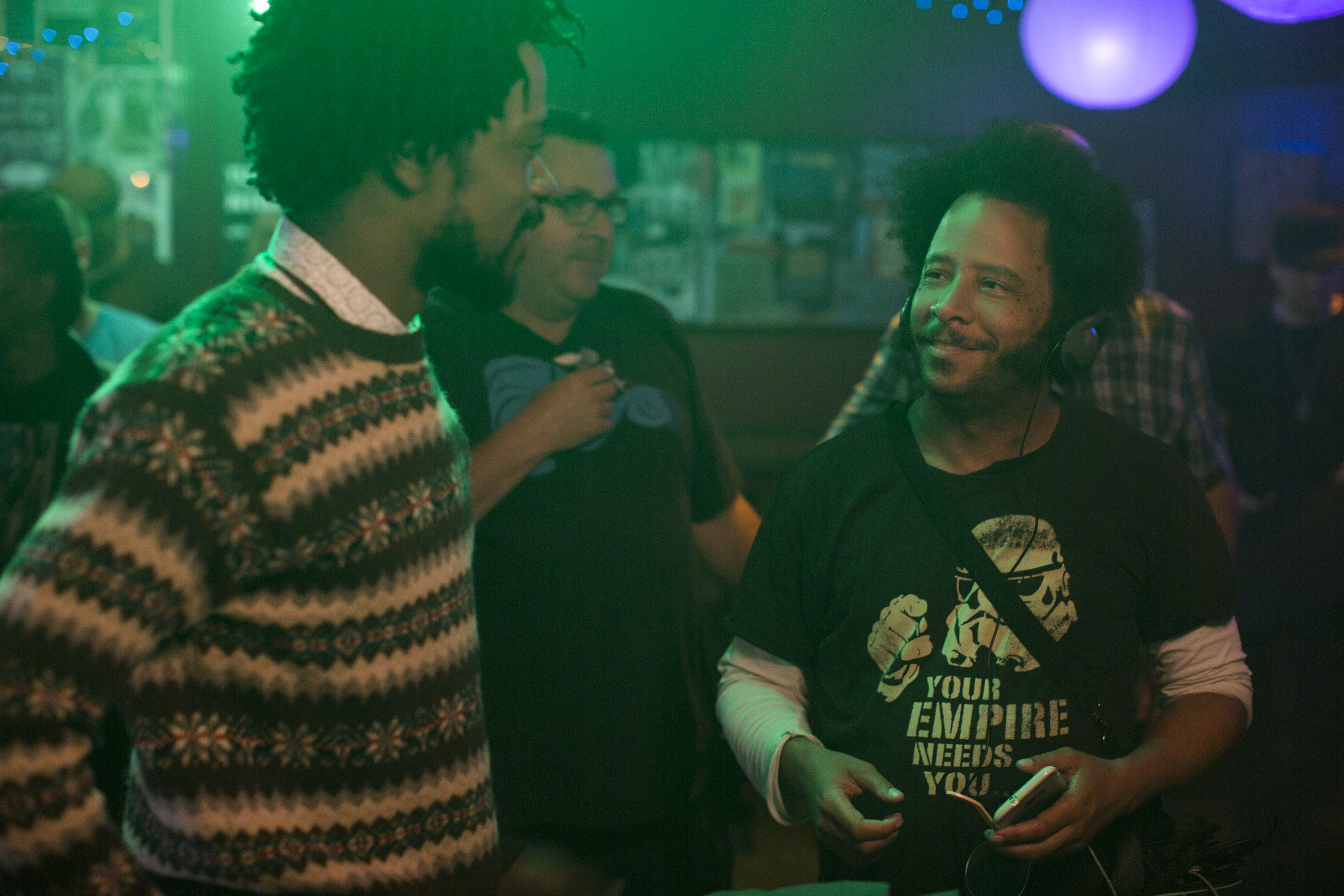
Riley admitted that the idea of boosting is not entirely theoretical. He joked during the SXSW conversation that he has bought items from boosters himself in the past. That real-world familiarity helped shape the tone of the film. Instead of treating boosters purely as criminals, the story presents them as part of an underground economy that emerges when official systems fail to meet people’s needs.
The result is a film that blends humor with social critique.
More Than a Heist Movie
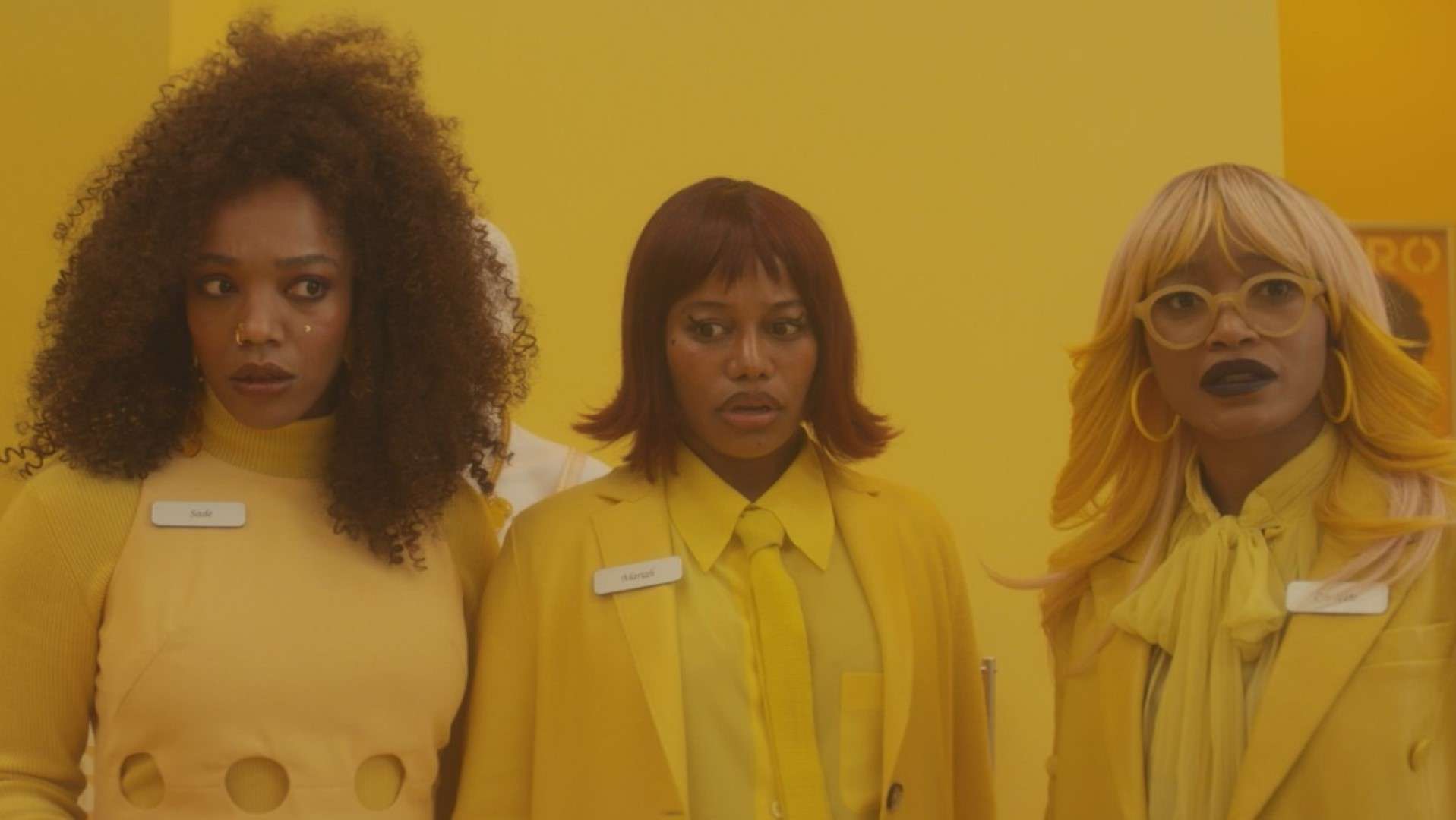
While I Love Boosters includes the energy and excitement of a crime story, Riley’s real interest lies in the social dynamics behind it. The boosters in the film represent people navigating a system that often excludes them. That idea connects directly to the broader themes Riley has explored throughout his career. His work frequently focuses on labor, class struggle, and the ways economic structures shape everyday life.
In I Love Boosters, the title itself becomes part of that commentary.
The Title Is the Message
For Riley, the phrase “I Love Boosters” is intentionally provocative. It challenges audiences to reconsider assumptions about crime, value, and access. Rather than presenting boosting as a simple moral issue, the film asks viewers to examine the economic conditions that make it possible.
That question is what makes the concept so powerful. The boosters in Riley’s story are not just stealing products. They are challenging a system that has already stolen access from them.