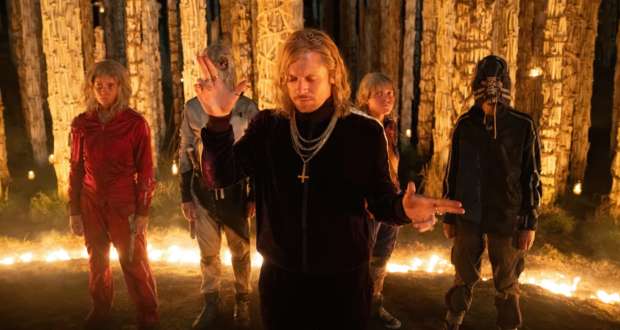
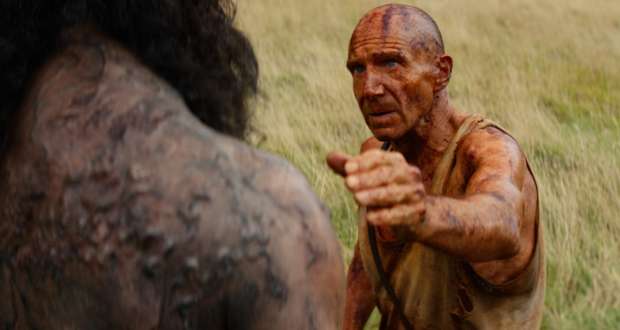
There is a strange disconnect surrounding 28 Years Later: The Bone Temple. On paper, this should be a win. The film is directed with confidence by Nia DaCosta, it shows a clear command of tone, and it has landed to solid reviews from critics and generally favorable reactions from audiences who actually showed up. And yet, the overall conversation around the film feels muted, almost cautious. That hesitation has very little to do with The Bone Temple itself.
Instead, the film is dealing with fallout. Not from its own choices, but from the creative and tonal damage left behind by 28 Years Later, the previous entry in the franchise. Once audience trust is fractured, even strong filmmaking struggles to rebuild momentum overnight.
A Sequel That Did Not Earn Its Skepticism
One of the more frustrating elements of The Bone Temple’s reception is that the film has largely been judged before it was even seen. There is a lingering skepticism hanging over the franchise, and it did not come from DaCosta’s direction, the performances, or the execution of this chapter. That skepticism was earned a year earlier.

When 28 Years Later arrived in 2025, expectations were sky high. The return of Danny Boyle and writer Alex Garland felt like a homecoming. Instead, the film split its audience in ways the franchise had never experienced before. Critics were mostly positive, but general audiences walked away divided, confused, or emotionally disconnected from the story being told.
That matters more than studios often want to admit.
What Nia DaCosta Actually Fixes
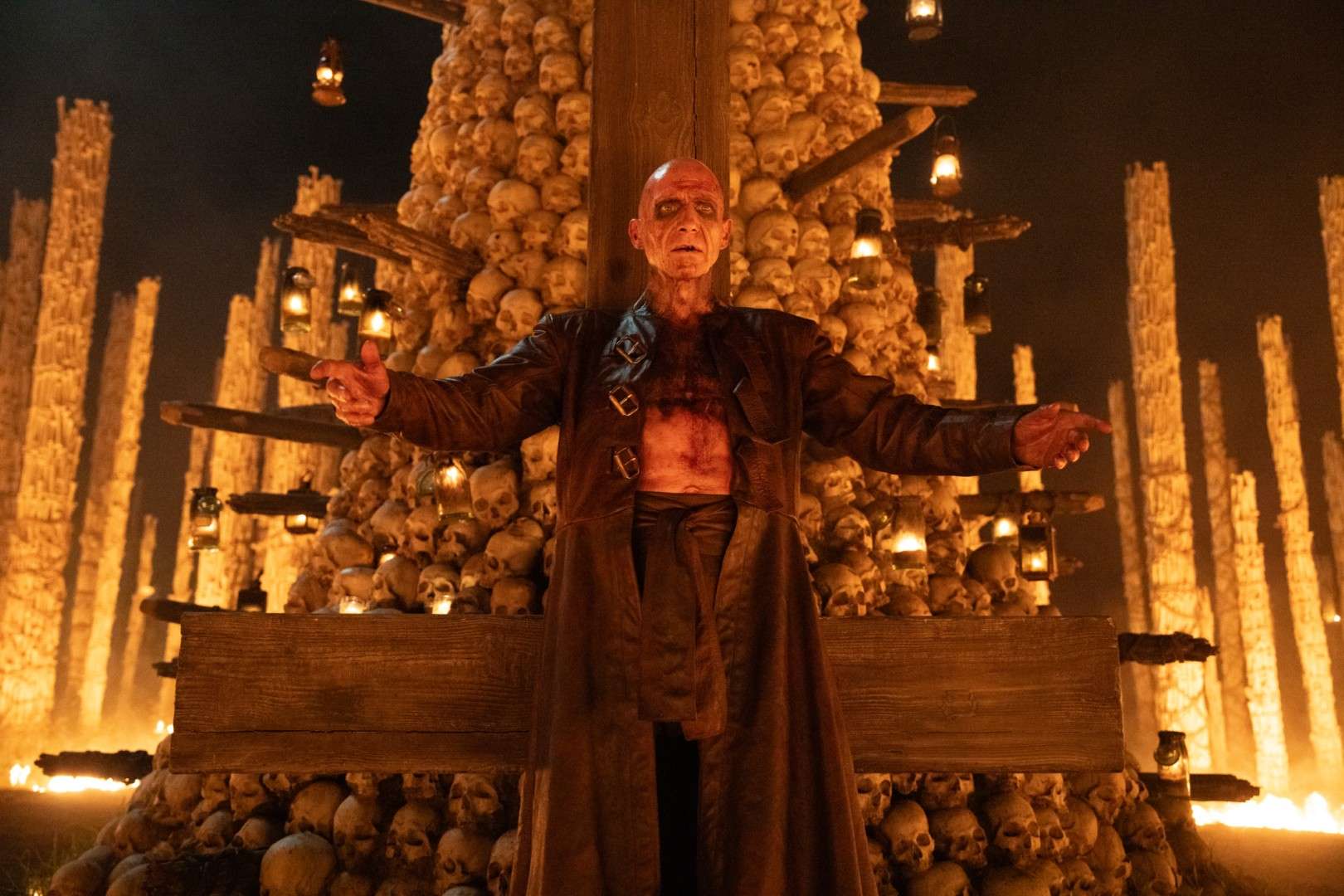
To her credit, DaCosta does not attempt to chase the chaos of the previous film. Her direction in The Bone Temple is notably more disciplined. The visual language is consistent. The film understands when to slow down and when to let the horror breathe. Characters are framed with intention rather than spectacle-first urgency.

Most importantly, the movie knows what it wants to be.
There is a sense that DaCosta is actively repairing the connective tissue of the franchise, grounding the story in character perspective rather than leaning solely on shock value or thematic provocation. Even when the film reaches for larger ideas, it does so with control. This is not a director trying to reinvent the franchise at any cost. This is a filmmaker trying to stabilize it.
That effort is felt by critics and by fans who gave the movie a chance.
The Lingering Cost of Audience Alienation
The problem is that many viewers never got to that point.
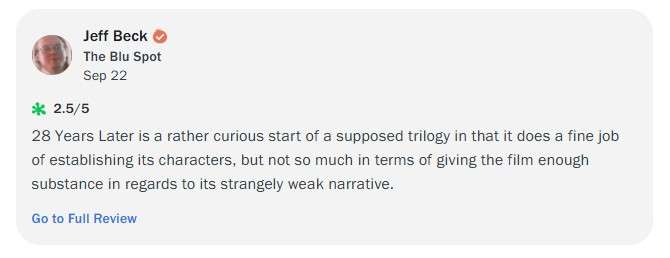


Audience trust functions like a long-term investment. Horror franchises especially rely on consistency of tone and emotional payoff. When a sequel leaves viewers feeling burned, the next chapter does not benefit from the doubt. It inherits suspicion.

28 Years Later did not just challenge expectations. It unsettled them. For some viewers, the film felt more interested in subversion than satisfaction. For others, it lacked the emotional immediacy that made earlier entries resonate. Regardless of where someone landed, the result was the same. A portion of the audience disengaged.
By the time The Bone Temple arrived, that disengagement had calcified into hesitation.
Why Strong Reviews Are Not a Reset Button
There is a persistent myth in film discourse that good reviews can reset a franchise’s trajectory. In reality, reviews help momentum only when the audience is already leaning forward. When viewers feel disconnected, reviews become background noise rather than motivation.
This is especially true for sequels that follow divisive entries.
Many casual viewers made a quiet decision after 28 Years Later. They did not swear off the franchise loudly. They simply stopped prioritizing it. By the time positive reactions for The Bone Temple began circulating, the emotional investment had already been spent.
Good filmmaking can reward those who show up. It cannot force them to care again immediately.
The Burden of Being the Course Correction
What makes this situation particularly unfair is that The Bone Temple is doing the work that its predecessor arguably should have done. It is rebuilding tone, restoring coherence, and re-centering character. But course corrections rarely receive credit in real time. They are often judged by numbers rather than necessity.

DaCosta’s film is not failing on its own terms. It is carrying the burden of a franchise that asked its audience to follow it somewhere unfamiliar without making sure they wanted to go there.
That is not a creative failure in this chapter. It is a structural one inherited from the last.
What This Means for the Future of the Franchise
The 28 franchise is not beyond repair. If anything, The Bone Temple demonstrates that it still has capable hands steering it forward. But rebuilding trust takes more than one well-made sequel. It takes consistency. It takes clarity of vision. And it takes an understanding that audiences need emotional continuity as much as thematic ambition.
Strong reviews matter. Good direction matters. But neither can instantly undo the damage of a divisive entry that shook confidence in what the franchise stood for.
The Bone Temple deserved a cleaner runway than it got. The fact that it still lands as well as it does says more about Nia DaCosta’s skill than it does about the health of the franchise she inherited.