
For a franchise built on power struggles, bloodlines, and who sits on the Iron Throne, A Knight of the Seven Kingdoms is making a move that feels almost rebellious. It is stepping away from the very things many fans associate with Westeros at its most addictive. There is no grand political chessboard driving the story. There are no dragons circling overhead. And in its opening stretch, there is very little interest in who rules what.
That is not an oversight. It is the point.
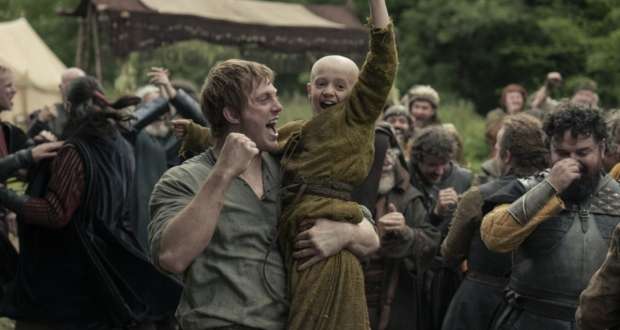
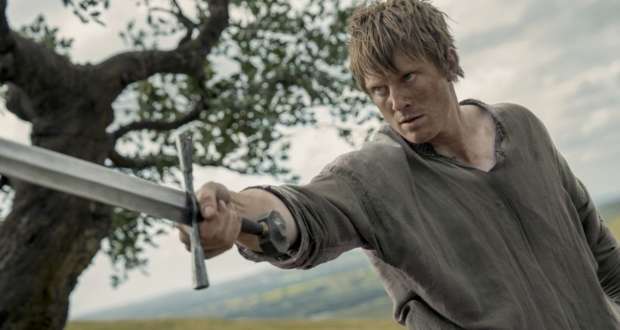
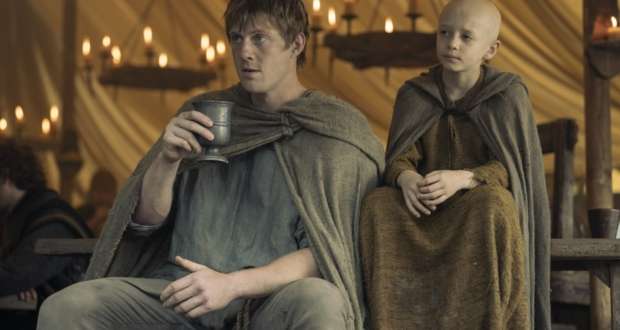
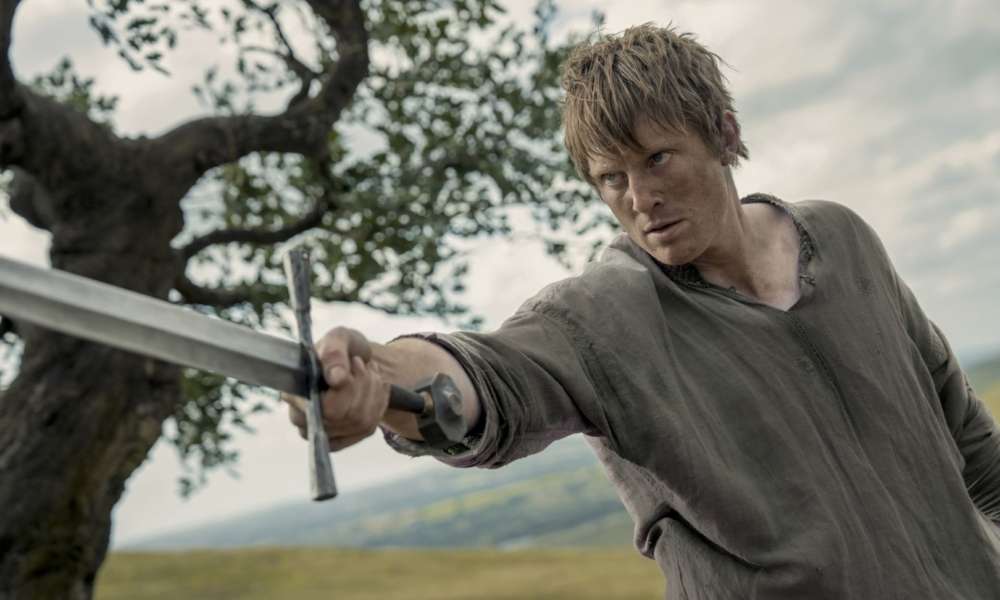
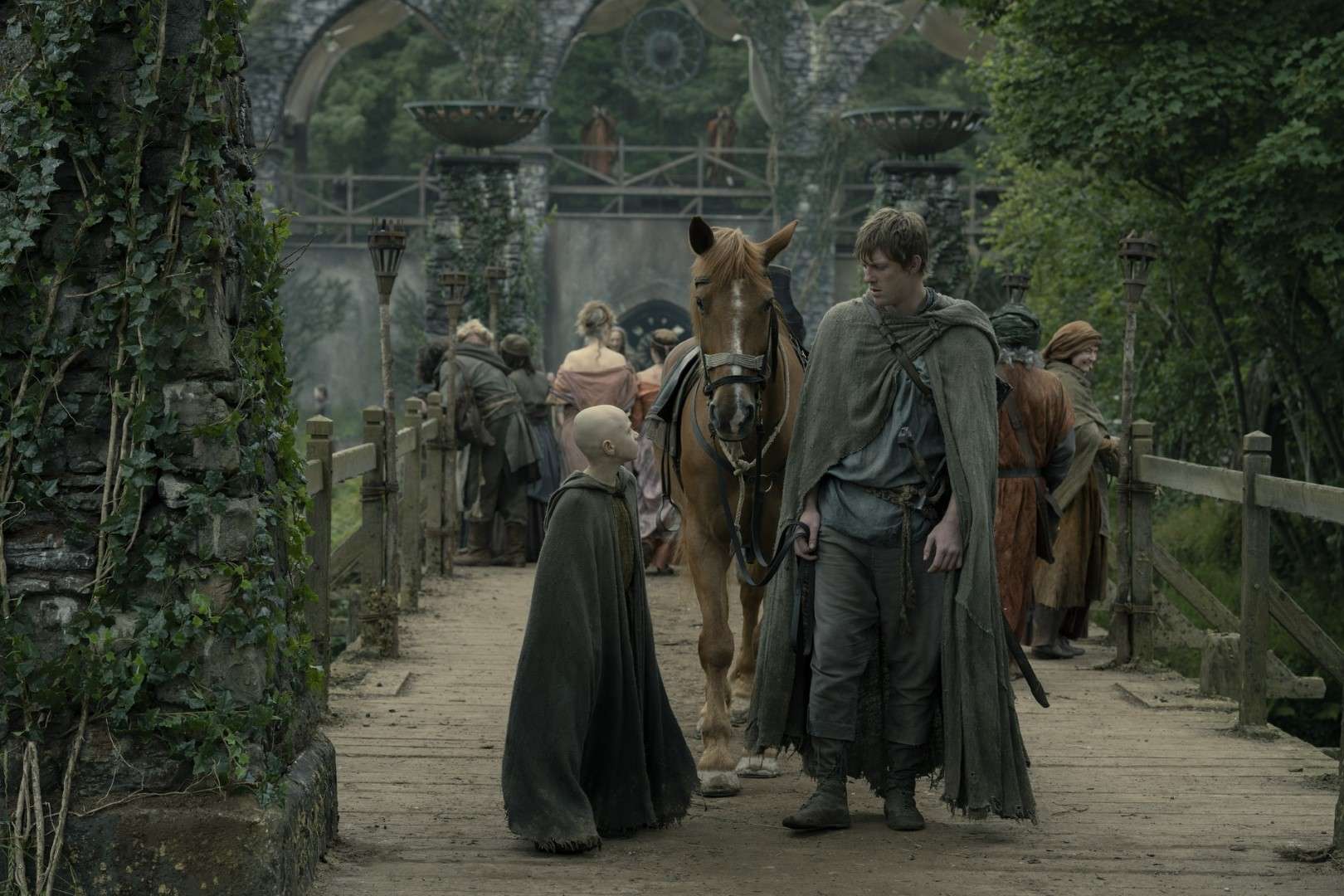
Showrunner Ira Parker makes it clear that Season 1 strips politics out almost entirely, not as a rejection of what came before, but as an acknowledgment of perspective. Dunk is not a lord. He is not a strategist. He is not maneuvering pieces across the Seven Kingdoms. He is a hedge knight trying to survive, doing his best to live up to an ideal of knighthood that the world around him no longer fully respects.
In other words, this is Westeros from the ground up.
Why Politics Would Have Been the Wrong Choice
It would have been easy, and frankly safe, to graft the familiar machinery of Game of Thrones onto this story. A secret council here. A whispered betrayal there. But Parker is refreshingly blunt about why that approach would not work. Dunk is not a politician, and forcing him into political storytelling would feel false.
This creative choice also avoids an even bigger trap. House of the Dragon already owns that lane. It delivers dynastic cruelty, courtly intrigue, and power games at their most brutal and operatic. Trying to compete with that tone would not only be redundant, it would dilute what makes Dunk and Egg special.
Instead, A Knight of the Seven Kingdoms positions itself as a counterweight. Where House of the Dragon shows power at its most poisonous, this series shows the people who live in the shadow of that power. The ones who clean up after it, suffer under it, or simply try to avoid it altogether.
Horses, Trees, and the Long Way Around

One of the most revealing moments in Parker’s comments is almost a joke. In place of politics, he talks about horses and trees. Quiet roads. Camps under open skies. Characters staring at the stars rather than plotting the next betrayal.
That imagery matters.
It signals a deliberate slowdown, not just in pacing but in thematic focus. Early Game of Thrones understood this instinctively. Before the show became synonymous with shocking deaths and explosive twists, it took time to sit with characters, to let the world breathe. The brutality came later, once the audience was invested.
Parker is betting on that same patience. He openly acknowledges that the series starts slower than some viewers might expect, and he asks them to trust the journey. That confidence is important, because it reframes slowness as intention rather than hesitation.
A Franchise That Knows How to Divide Its Strengths
One of the smartest aspects of this approach is how it strengthens the overall Westeros ecosystem. Instead of every show chasing the same highs, HBO is allowing each series to specialize.
House of the Dragon handles political tragedy at scale. A Knight of the Seven Kingdoms handles intimacy, character, and lived-in storytelling. Together, they offer two lenses on the same world, each enriching the other.
This matters in an era of franchise fatigue. Audiences are not tired of big universes. They are tired of repetition. By removing thrones, dragons, and political maneuvering from the equation, this series avoids feeling like a remix of familiar beats. It becomes something closer to a road story, or even a character study, wrapped in medieval fantasy skin.
Why This Risk Might Pay Off
There is a quiet confidence in Parker’s reasoning that feels earned rather than defensive. He is not apologizing for what the show lacks. He is explaining why those absences are essential to its identity.
By grounding the story in Dunk’s limited worldview, the show invites viewers to rediscover Westeros without the filter of power. We overhear conversations rather than orchestrate them. We glimpse important figures rather than follow their schemes. The world feels larger precisely because we see less of it.
That restraint may be the boldest move of all.
A Knight of the Seven Kingdoms is not trying to outdo its predecessors. It is trying to stand beside them, offering a different experience that deepens the franchise rather than echoing it. In a universe defined by the pursuit of power, choosing to walk away from the throne might be the most radical choice Westeros has made yet.