Foundation Season 3 Episode 7 Review – Foundation’s End
Apple TV+ names this chapter Foundation’s End for a reason. Foundation Season 3 Episode 7 does not nudge the plot. It detonates it. New Terminus burns, the Empire loses its grip, and the Mule steps into the spotlight with a past that is equal parts tragic and terrifying. The episode operates like a controlled demolition of the entire chessboard. Psychohistory’s neat calculations get steamrolled by chaos, grief, and raw power. If you came for a quiet midseason tune up, this hour tells you to buckle up. This review breaks down why Foundation Season 3 Episode 7 hits so hard, what it nails on a cinematic and emotional level, where it stumbles with pacing, and why the fallout matters for everything that comes next.
The Good
The Mule’s Origin Story
The flashback to Rossum lands like a gut punch. We watch a young boy crushed by a one child policy, parents terrified, and a new sibling crying through paper thin walls. When the inspectors return, his latent power bursts open. In a single awful moment he kills his parents and saves his sibling, then carries that trauma forward like a permanent scar. Later he tells Hari a different version that involves pirates raiding his homeworld. It reframes the Mule as a even Hari questions him as a myth maker who edits his own legend, and it invites the audience to question what is truth and what is cover story. The result is a villain who feels tragic, calculated, and unpredictable at the same time.
Visual Storytelling At Its Peak
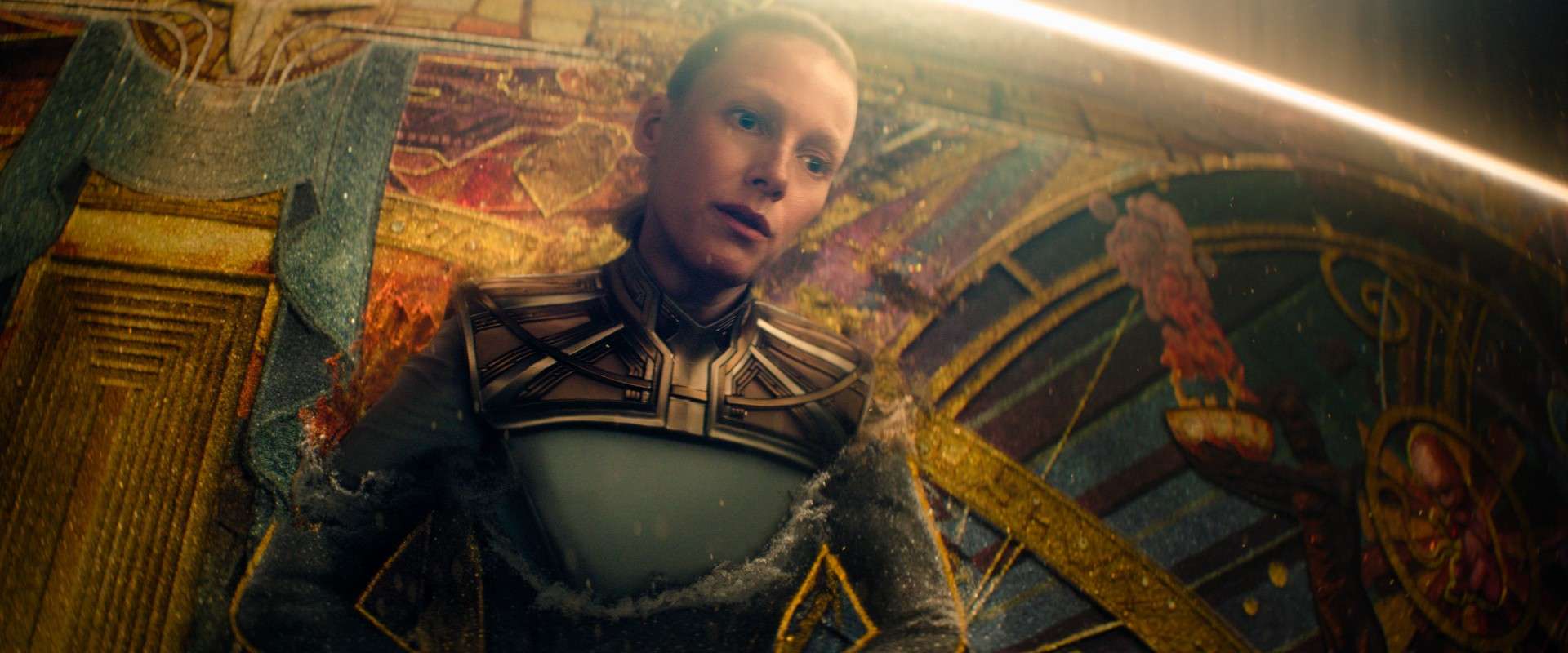
Foundation Season 3 Episode 7 looks like premium cinema. The inferno on New Terminus is staged with scale and clarity. The trip sequence with Brother Day is a sensory assault that still stays character driven. Colors bloom without noise, compositions are deliberate, and the show flexes an art direction that rivals movie franchises. The production turns cosmic spectacle into emotional punctuation. When Day runs through the palace and Demerzel’s presence stalks him, the visuals sell panic better than a paragraph of dialogue ever could.
Performances That Hit Hard
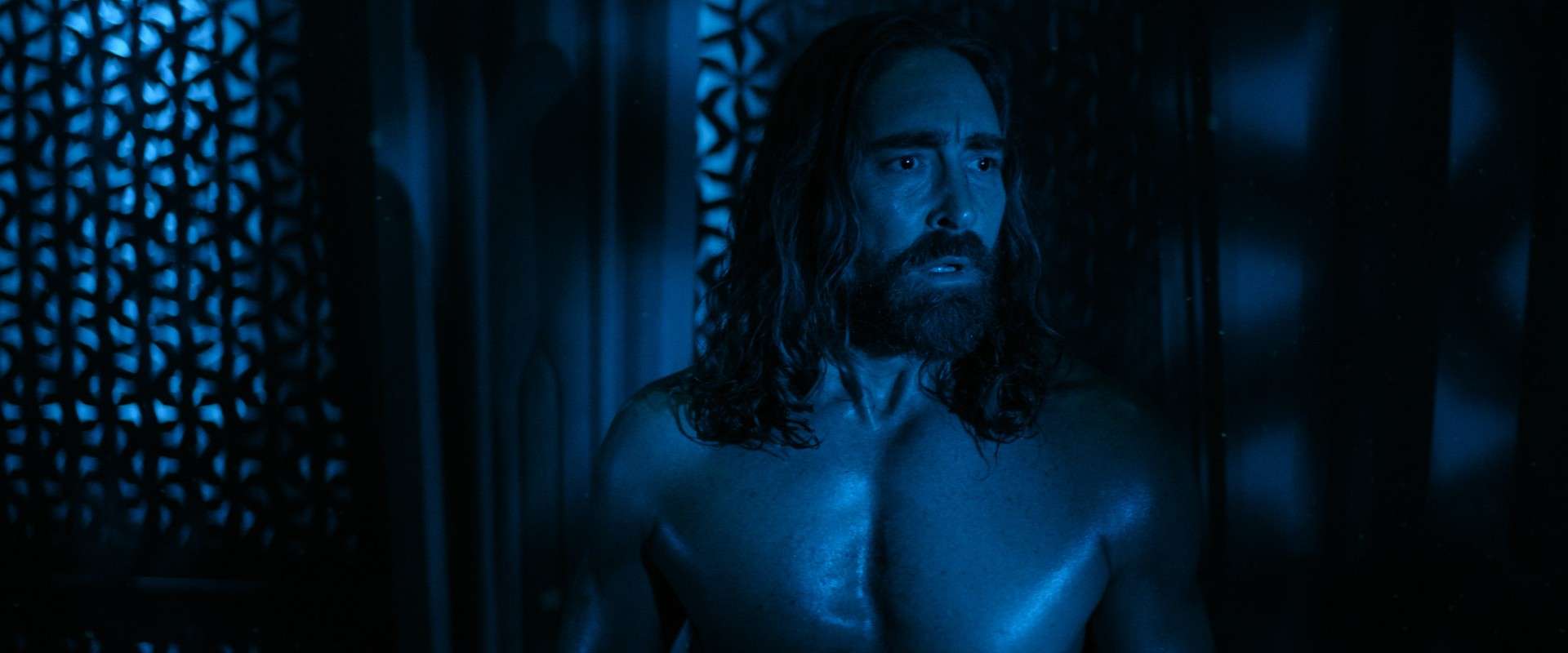
Lee Pace is a one man weather system. As Brother Day he ricochets between fragile child and cruel ruler, especially during the spore induced meltdown. The shame, the anger, the desperate need for control, it is all right there on his face. Laura Birn’s Demerzel continues to devastate with restraint. She carries centuries of obligation in a measured voice and a single look. The Mule commands without moving a muscle. He is chilling because he barely needs to try. Every line suggests there is always another layer under the one he just revealed.
Twists And Tragedies That Matter
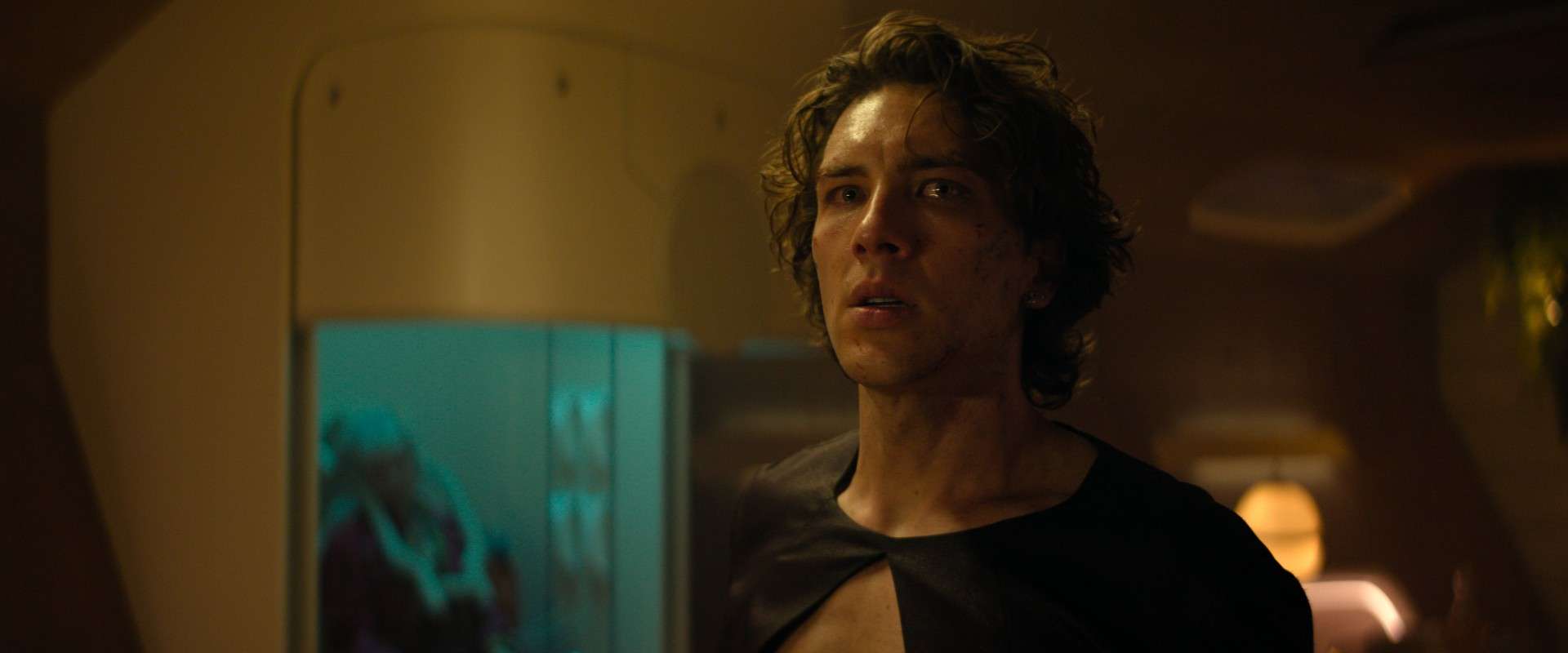
The hour stacks shock after shock and still keeps purpose. Uncle Randu’s betrayal cuts deep, then Toran delivers the brutal response that changes everything for him and Bayta. The Mayor’s drowning is one of the most disturbing sequences in the series, not because of gore, but because it is willpower crushed by someone else’s command. Hari’s full name, Hariton Seldon, lands as a lore needle drop that hints at doors the story has not opened yet. None of these beats feel like empty fireworks. They are structural fractures that push the season into a new phase.
The Bad
If there is a complaint, it is pacing. Foundation Season 3 Episode 7 tries to carry Toran’s heartbreak, Cleon’s chemical spiral, Pritcher’s desperate gambit, and the Mule’s consolidation of power. The tone control is impressive, yet a few arcs feel like they are sprinting past the finish line right when they get interesting. Toran’s aftermath could use more space. The political fallout on Trantor begs for an extra beat. None of this breaks the episode, but the density occasionally trades emotional digestion for momentum.
Verdict
Foundation Season 3 Episode 7 is a turning point that earns its title. The show tears down structures it spent seasons building, then invites us to consider what rises from the ashes. The Mule’s rewritten past reframes him as a master manipulator, Demerzel’s hold over the Cleons grows more frightening, and New Terminus becomes a cautionary tale about belief without backup. The filmmaking is elite, the performances are locked in, and the writing refuses to play safe. If the season so far has been about pressure, this chapter is about rupture. The future is not simply uncertain. It is actively hostile. For fans who want big science fiction with big feelings, Foundation’s End delivers exactly that and sets the stage for a finale that will not be polite. As a piece of television, this stands among the best hours the series has produced. As a statement about the state of the galaxy, it is the loudest alarm bell yet.