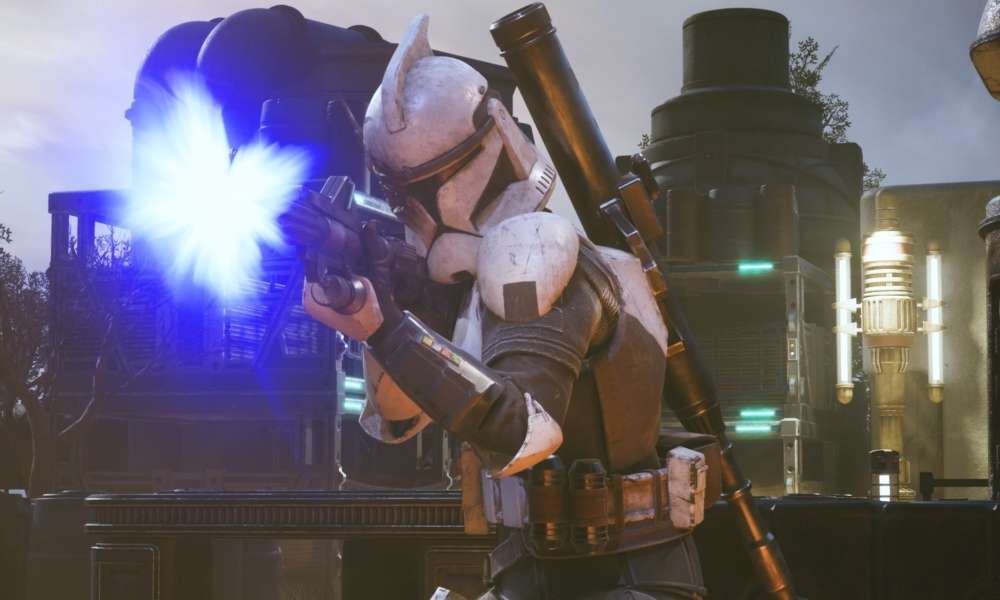

The Star Wars galaxy is expanding into the realm of turn-based strategy with the release of Star Wars Zero Company. Developed by Bit Reactor and Respawn Entertainment, the title invites players to command a band of mercenaries operating during the chaotic final days of the Republic era. By focusing on a smaller, grittier corner of the universe, the game explores narrative potential that often remains buried in larger cinematic projects.
Players take on the role of Hawks, a disgraced Republic officer leading a diverse crew of misfits, former Separatists, and freedom fighters. To settle their debts with the Hutts, the group accepts a contract from a Republic intelligence agent investigating a mysterious, spiral-obsessed cult known as the Coil. This mission eventually pulls the crew into a conspiracy that runs parallel to the events of the Clone Wars, providing a grounded perspective on a galaxy on the brink of collapse.
The core gameplay of Star Wars Zero Company draws heavy inspiration from the tactical depth of the XCOM series. Players manage a small squad across isometric battlefields, utilizing action points to navigate cover, execute flanking maneuvers, and deploy specialized abilities. The game features nine distinct character classes, each offering unique tools to solve complex combat encounters. As the campaign progresses, players can mix and match specializations to create powerful synergies, allowing for significant strategic experimentation.
Strategic Combat and Squad Management
Between skirmishes, the experience shifts to base management and squad development. Players must prioritize upgrades to increase their influence and improve their operatives. A key mechanic involves the Bonds system, where allies develop relationships that provide stat buffs, further incentivizing players to consider how different characters complement one another on the battlefield. While the game is generally more forgiving than its genre predecessors, the Hard difficulty setting provides a robust challenge that rewards careful planning and tactical foresight.
The game also introduces a persistent injury system. While permanent death requires an ally to be downed three times, injuries impose stat penalties that require time and credits to heal. This ensures that poor tactical decisions carry lasting consequences for the mercenary business, even if the stakes do not always reach the extreme intensity of other genre staples. The result is a satisfying loop of preparation and execution that keeps the focus squarely on the tactical puzzle at hand.
A New Perspective on the Republic Era
What makes this release notable is how it utilizes the margins of the Star Wars timeline. By keeping the narrative focused on the mercenary crew, the game allows the larger galactic conflict to serve as a looming, dark backdrop rather than the primary focus. Background news briefings and idle chatter from the squad members effectively build tension, creating a sense of dread as the Clone Wars escalate. It is a refreshing approach that leverages the established setting to tell a contained, character-driven story within a demanding strategy framework.
For those interested in the technical details or the official project overview, more information can be found on the Polygon review. Additionally, fans of the genre can explore the mechanics further through the official Star Wars gaming portal.
Source: Polygon