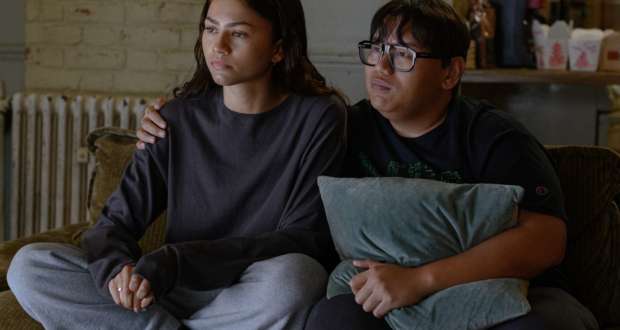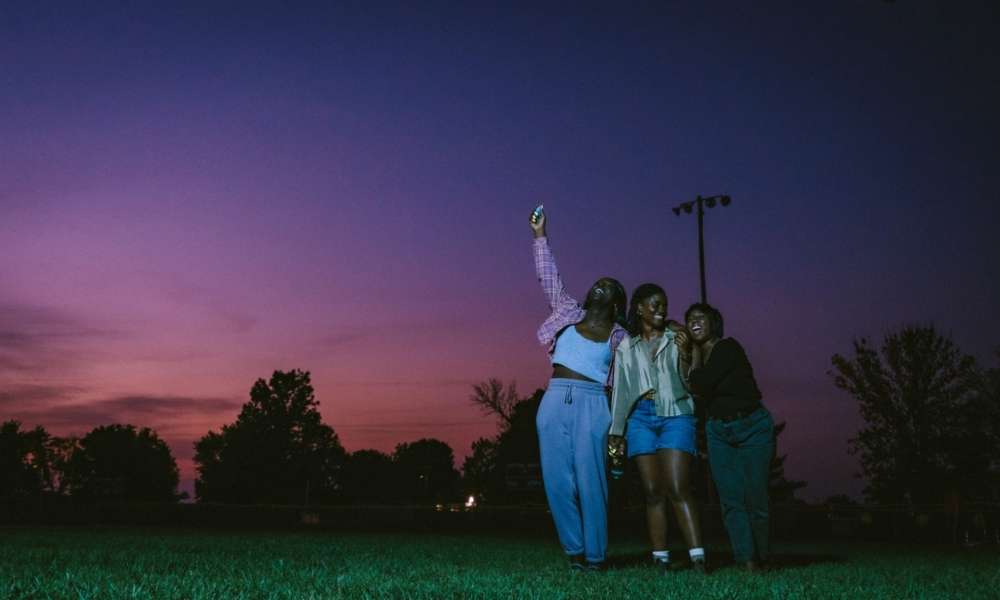

The upcoming independent film Dreams in Nightmares is preparing for its theatrical debut, bringing a unique vision to the modern road movie genre. Directed and written by Shatara Michelle Ford, the project focuses on the complexities of friendship, aspiration, and vulnerability. As audiences look for stories that resonate with the challenges of the current era, this film invites viewers to consider the importance of connection and the act of dreaming during uncertain times.
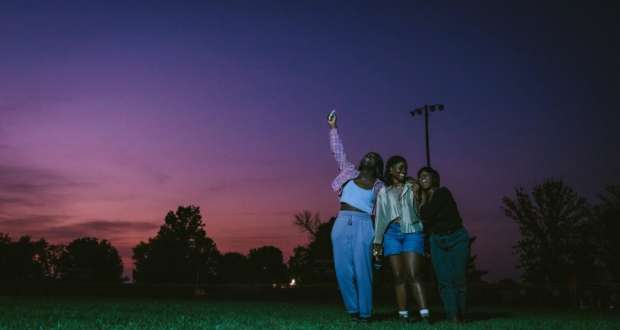
The narrative follows a group of queer friends in their mid-30s as they navigate the intricate landscapes of love, identity, and belonging. By centering these experiences, the film aims to provide a thoughtful exploration of what it means to imagine a future that exists beyond a state of constant crisis. With a runtime of 128 minutes, the production promises an immersive journey that challenges traditional tropes associated with road-trip cinema.
Release Schedule and Production Details
The DREAMS IN NIGHTMARES movie release is scheduled to begin in New York on August 21, 2026. Following the initial New York opening, the film will arrive in Los Angeles theaters on August 28, 2026. A wider theatrical expansion is planned for September, allowing more audiences to experience the story on the big screen. Those interested in keeping up with the film’s rollout can monitor official updates from the production team as the release dates approach.
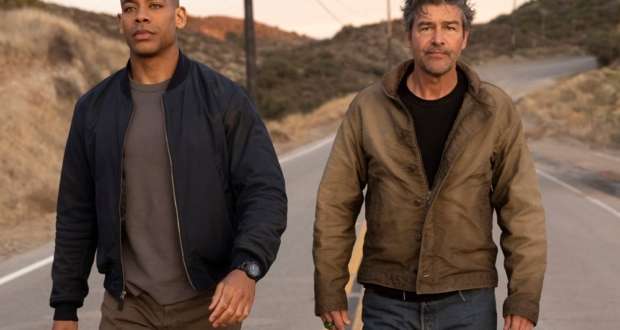
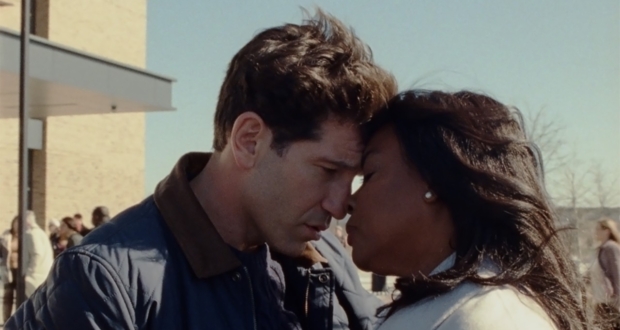
The film features an ensemble cast including Denée Benton, Sasha Compère, Charlie Barnett, Mars Storm Rucker, Dezi Bing, and Jasmin Savoy Brown. Behind the camera, the project was brought to life by a dedicated team of producers, including Pin-Chun Liu and Naima Abed, alongside Ford herself. The visual and auditory experience is shaped by cinematographer Ludovica Isidori and composer Lia Ouyang Rusli, who is also known as OHYUNG.
Why This Film Matters
In an entertainment landscape often dominated by massive franchises, independent features like this one offer a necessary shift in focus. By grounding its story in the specific, lived experiences of its characters, the film provides a space for reflection that larger studio projects sometimes overlook. For fans of character-driven narratives, the film represents an opportunity to engage with a story that prioritizes emotional authenticity and the nuances of queer friendship.
The decision to frame this as a road movie is particularly notable, as it reclaims a classic American format to tell a story that feels both contemporary and deeply personal. As the film moves from its limited release into a wider rollout, it will be interesting to see how audiences respond to its invitation to slow down and reconnect.