
Inside the Deleted Scenes and Lost Threads of HBO’s IT Prequel Series
One of the most fascinating things about IT: Welcome to Derry is not just what made it to screen, but what didn’t.
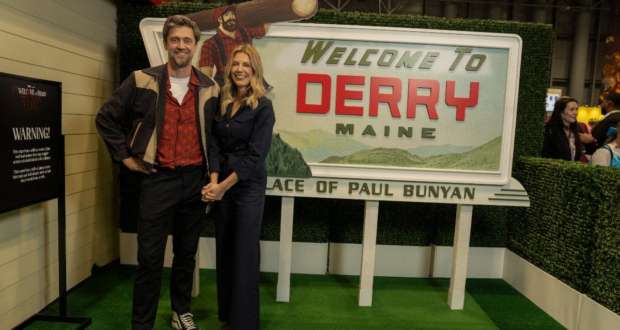
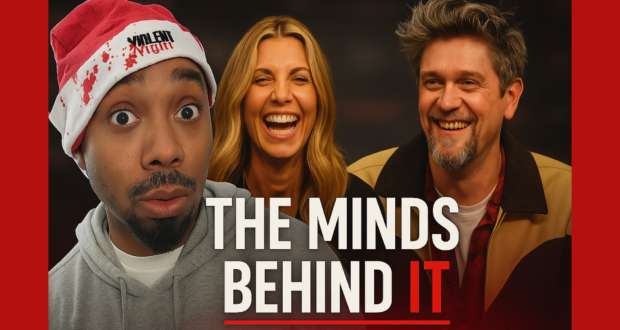
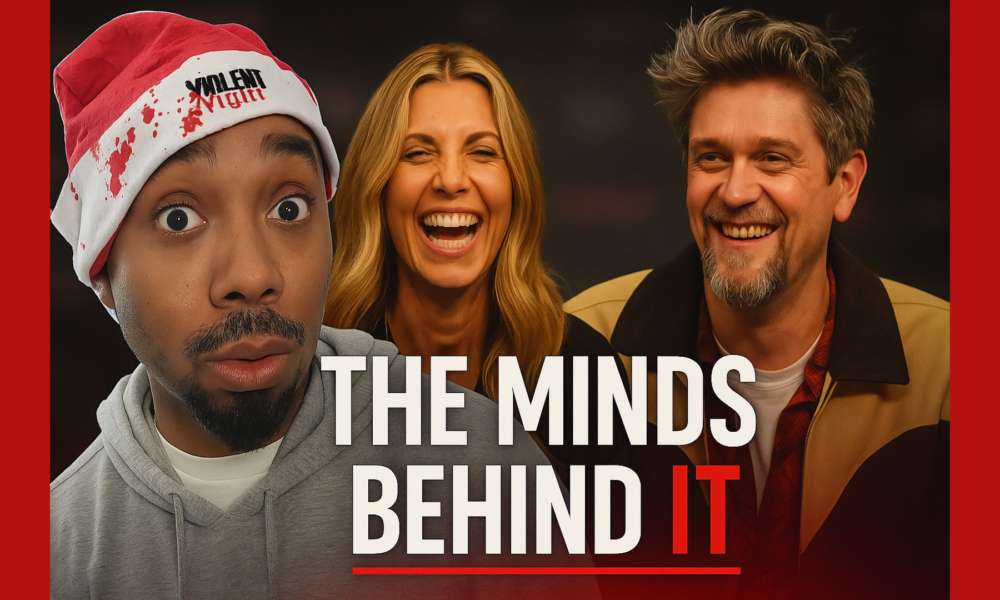
During my recent interview with Andy and Barbara Muschietti, the creative architects behind HBO’s chilling prequel series, they opened up about storylines, characters, and entire thematic threads that were developed, written, and in some cases partially planned, but ultimately left behind. Not because they were weak ideas, but because Welcome to Derry had the opposite problem most TV shows suffer from. There was simply too much story.
“We had more than we could fit,” Andy Muschietti admitted during the conversation, noting that unlike filler-heavy series, Welcome to Derry was constantly forced to make hard creative decisions.
What emerged from that process is a series that feels dense, intentional, and emotionally heavy. But just beneath the surface lies a shadow version of the show, one filled with reporters, statues, blue oxen, and a slow descent into Derry’s signature fog.
Welcome to Derry Deleted Scenes and Lost Storylines
The Paul Bunyan Storyline That Almost Was
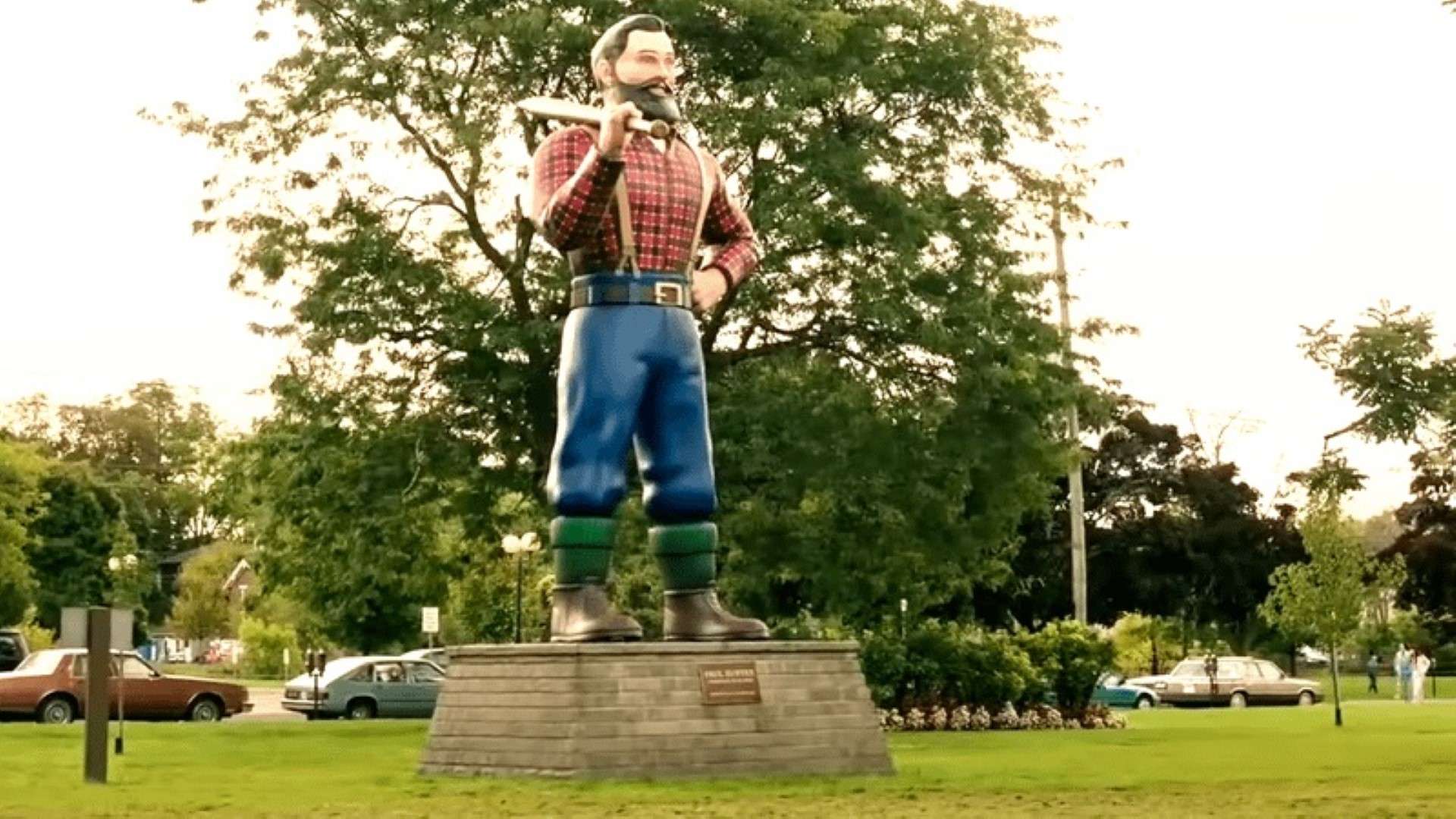
One of the most surprising deleted arcs involved Paul Bunyan, a figure longtime Stephen King readers will recognize as a symbol tied deeply to Derry’s mythology.
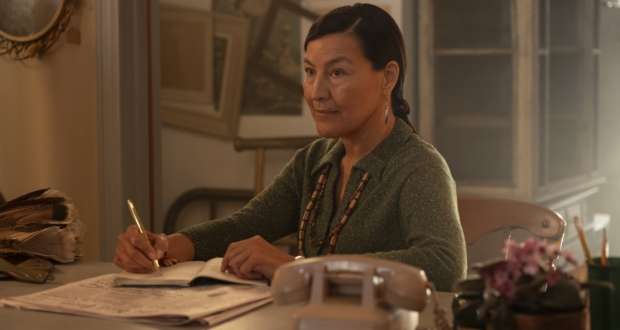
According to Andy Muschietti, there was once a fully developed subplot centered on a young reporter who comes to Derry to investigate the Paul Bunyan statue controversy. What begins as a simple outsider’s curiosity quickly turns into something far more unsettling.
Because she is new to town, she immediately notices what the locals no longer see. Children disappearing. Tension in the air. A strange refusal to acknowledge obvious horror. While the town argues over a statue, real tragedy is unfolding in plain sight.
Over the course of the series, that clarity erodes.
The reporter slowly succumbs to Derry’s fog, transforming from an energetic truth-seeker into a complacent resident who no longer questions anything. In many ways, her arc would have mirrored the show’s larger theme of how Derry doesn’t just kill people, it absorbs them.
It is a haunting idea, and one that fits perfectly into the DNA of IT. But ultimately, the storyline was cut due to time and narrative focus.
The Blue Ox That Didn’t Kill You
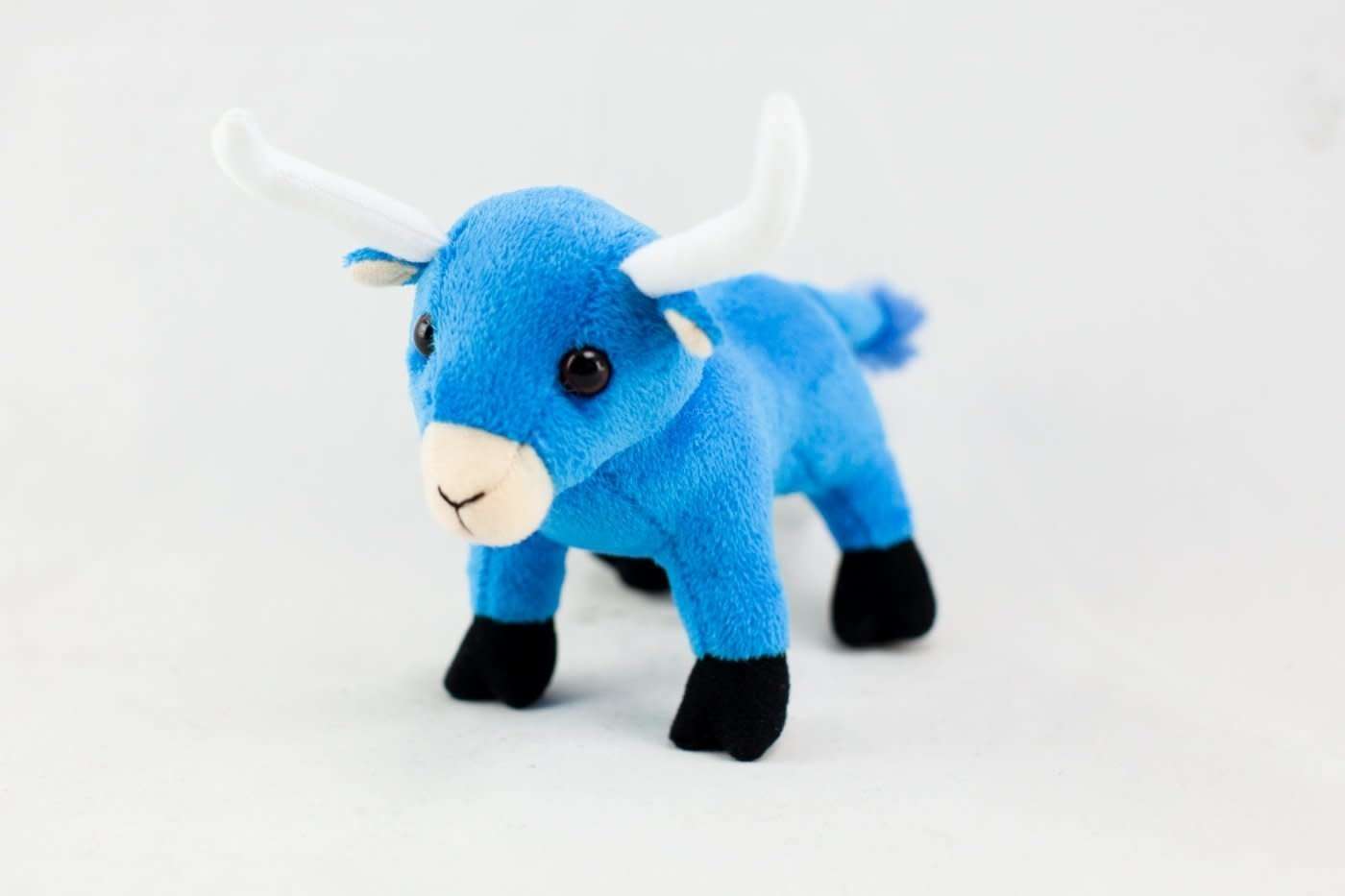
Perhaps the most unsettling revelation from the interview involved a scrapped manifestation of Pennywise that was never meant to kill its victim.
Instead of violence, this version of IT focused on erosion.
In the abandoned reporter storyline, she was haunted by a tiny version of Paul Bunyan’s blue ox, a smiling, surreal presence that would appear around corners and in the background of scenes. Even stranger, the ox would sometimes bear the face of Bill Skarsgård.
It did not attack. It did not threaten.
It simply existed, slowly pulling her into forgetfulness.
This concept ties directly into something Andy Muschietti emphasized during the interview. Pennywise is not just an eater of flesh. He is an eater of faith. The loss of belief, hope, and resistance is often more satisfying than death itself.
That idea made it into the series in other ways, but this particular manifestation never reached the screen.
A Deeper Version of Paulie
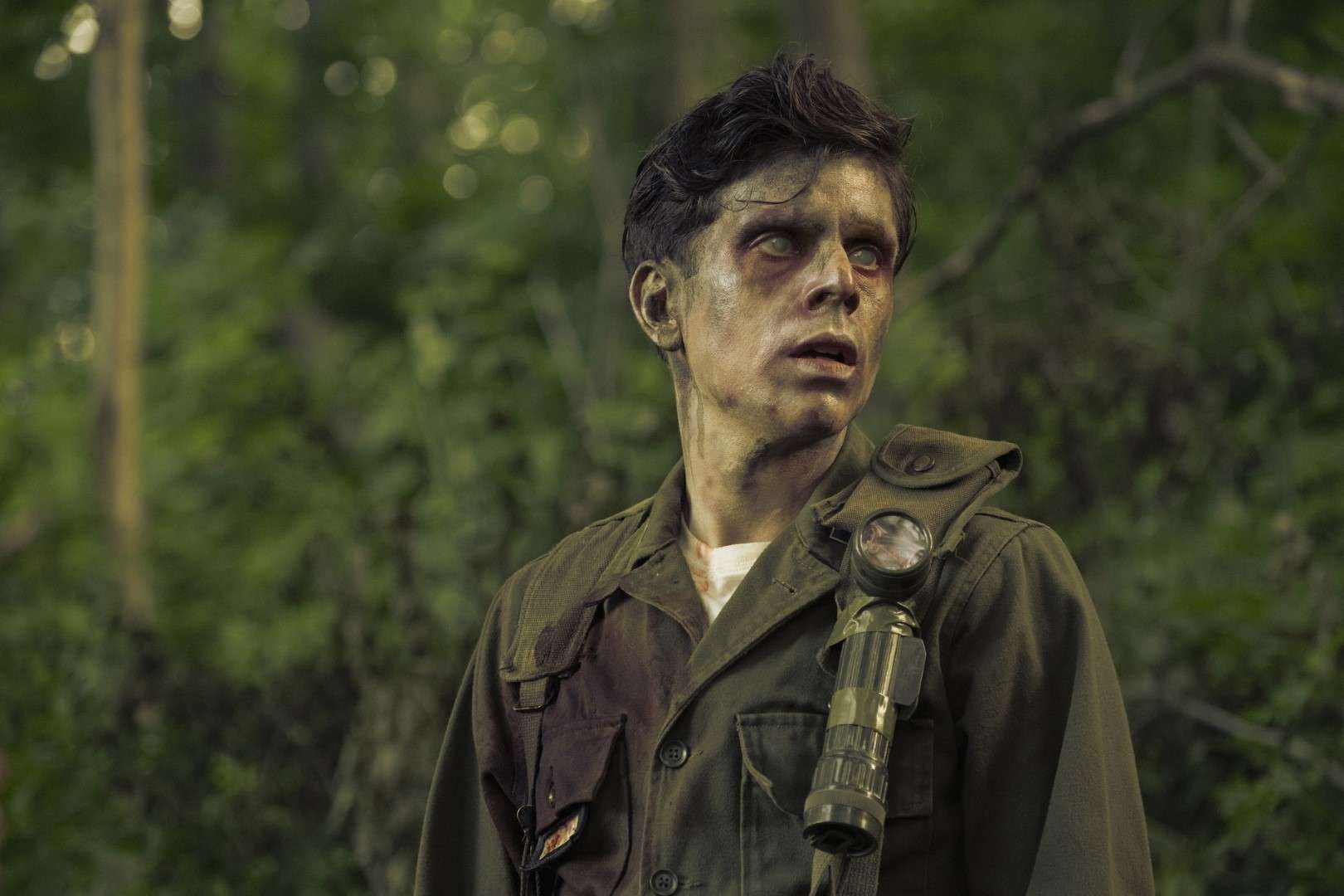
Fans have already responded strongly to Rudy Mancuso’s Paulie, and Andy Muschietti agrees.
Looking back, he admitted that Paulie was a character they wished they had been able to explore further. Not because the performance lacked impact, but because the material around him could have carried even more emotional weight.
This is one of the few cases where the Muschiettis expressed something close to regret. Paulie worked. Audiences connected. There was simply no room to give him everything he deserved.
In a different version of the show, Paulie might have been one of its emotional anchors.
Why Television Made These Choices Possible
Interestingly, many of these deleted ideas exist because Welcome to Derry was a television series in the first place.
The Muschiettis spoke at length about how the format allowed them to tell a story that moves backward through time, explores generational trauma, and layers mythology in ways a two-hour film never could.
At the same time, television introduced new challenges.
Scripts evolved constantly. Production was interrupted by industry strikes. Massive opening sequences required days of shooting that barely fit a TV schedule. As Barbara Muschietti bluntly put it, “Good things cost money.”
Some ideas fell away not because they failed creatively, but because the scale of the show demanded focus.
What These Deleted Scenes Tell Us About Derry
What makes these lost storylines so compelling is how clearly they reinforce the show’s core themes.
Derry is not just haunted. It is conditioned.
People forget. Outsiders conform. Truth is smothered by routine. Even monsters sometimes prefer patience over brutality.
The reporter’s erased arc, the non-lethal Pennywise manifestation, and the deeper character explorations all point to a version of Welcome to Derry that could have been even more psychological, even more insidious.
And yet, none of it feels wasted.
Instead, it reveals just how carefully constructed the final series truly is.
As Andy Muschietti put it, Welcome to Derry is a hidden story, one designed to recontextualize what audiences think they know about Pennywise and the town he feeds on. Some of that story made it to screen. Some of it lives only in conversation.
And honestly, that feels very on brand for Derry.