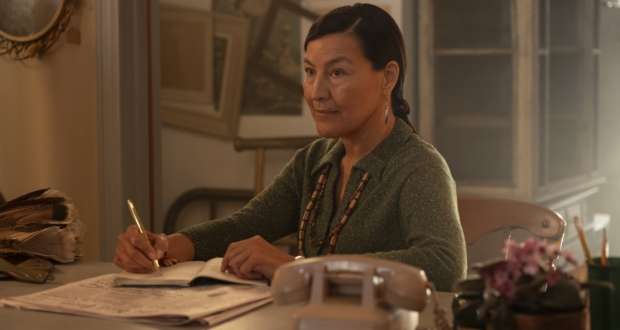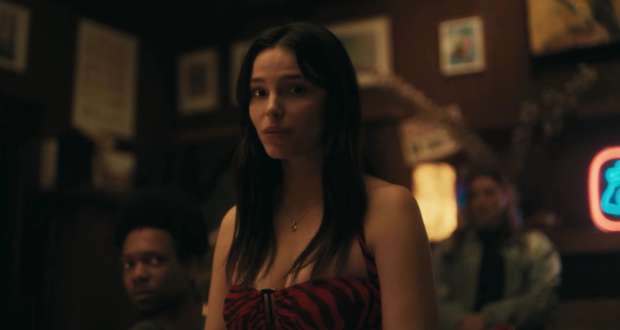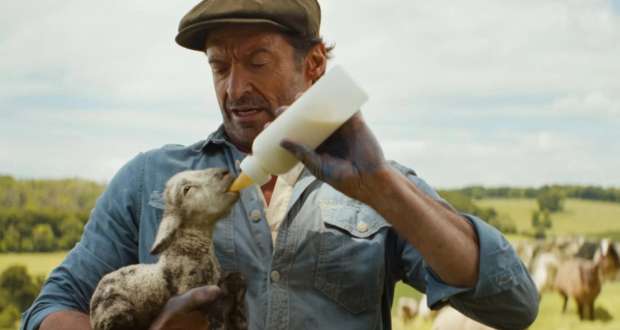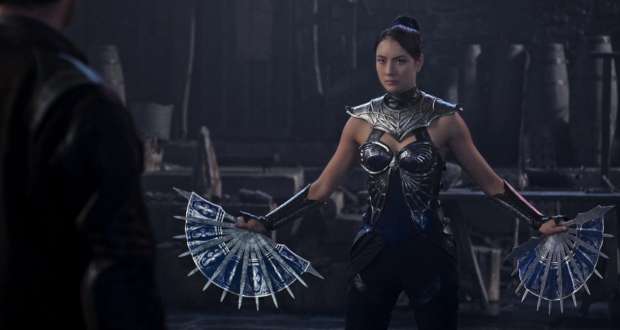

It: Welcome to Derry season one had the difficult task of expanding the mythology of Stephen King’s It while honoring the emotional power and visual iconography of Andy Muschietti’s 2017 and 2019 films. Remarkably, the series doesn’t just meet that challenge—it deepens it. By shifting the focus to a new generation of characters and embedding its horror within the social, political, and cultural anxieties of early-1960s America, Welcome to Derry becomes more than a prequel. It’s a richly textured supernatural drama that understands fear as both a monster in the dark and a force woven into institutions, memory, and identity.
Set decades before the Losers’ Club, the season positions Derry as a pressure cooker of unresolved trauma. The town feels immediately familiar yet freshly haunted, with the series embracing long-form storytelling to explore how cycles of violence and denial repeat themselves. This slower, more deliberate approach allows the horror to seep in gradually, giving equal weight to character psychology, historical context, and mythic dread. Rather than chasing constant shocks, the show cultivates an atmosphere of unease that lingers long after episodes end.
A Town Shaped by Fear and Memory:
One of the season’s greatest strengths is its ensemble cast, which anchors the supernatural elements in grounded, often painful human experiences. Taylour Paige delivers a quietly commanding performance as Charlotte Hanlon, a woman navigating the daily indignities of racism while trying to protect her family from both visible and invisible threats. Paige plays Charlotte with steel and vulnerability in equal measure, making her moral clarity feel earned rather than idealized. Jovan Adepo is equally compelling as Leroy Hanlon, whose role within the military places him in direct tension with the forces he’s meant to serve. Adepo captures the exhaustion of a man pulled between duty, survival, and conscience, and his arc gives the season much of its emotional gravity.
Children Carrying Adult Burdens:
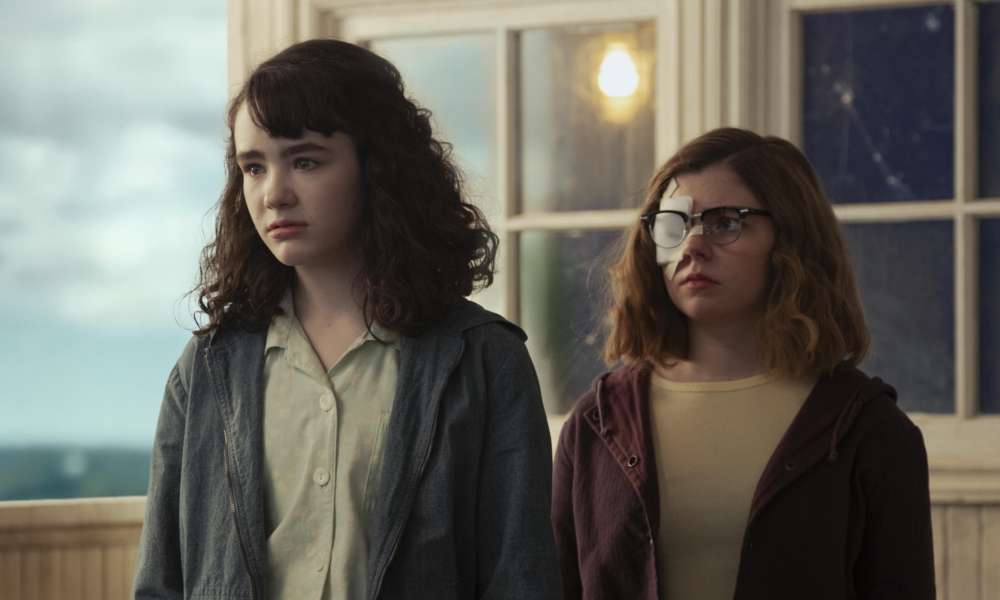
The younger cast members are exceptional, particularly Clara Stack as Lilly Bainbridge and Amanda Christine as Ronnie Grogan. Lilly’s grief, confusion, and creeping sense of responsibility are portrayed with an authenticity that avoids sentimentality. Stack makes Lilly’s fear feel intimate, rooted in loss and guilt rather than mere terror. Christine’s Ronnie brings warmth and resilience to the group dynamic, serving as both emotional ballast and a conduit for the show’s exploration of family, loyalty, and inherited pain. Their friendship feels lived-in, and the series wisely invests time in these relationships, understanding that horror hits hardest when it threatens bonds the audience believes in.
Matilda Lawler’s Marge Truman adds another layer of complexity, embodying the fear of social exile and the cost of standing apart. Her storyline speaks to the quieter horrors of adolescence, where identity feels fragile, and belonging can vanish overnight. Arian S. Cartaya’s Rich Santos brings humor and cultural specificity, offering moments of levity without undercutting the tension. His presence broadens the show’s emotional palette and reinforces its commitment to depicting Derry as a crossroads of different backgrounds and beliefs.
Expanding the Myth Without Explaining It Away:
Hovering over all of this is Bill Skarsgård’s Pennywise, whose return is handled with admirable restraint. The series understands that overexposure would diminish the character’s power, so Pennywise appears sparingly, each moment calibrated for maximum impact. Skarsgård subtly adjusts his performance to suit the series’ tone, making Pennywise feel both familiar and unsettlingly evolved. The clown’s menace feels less performative and more predatory, as if the town itself is merely an extension of his hunger.
Craft, Atmosphere, and Period Detail:
Welcome to Derry is also one of the most visually stunning horror shows ever made. The production design meticulously recreates the early ’60s, from storefronts and movie theaters to military bases and suburban homes. This period detail isn’t decorative; it reinforces the show’s themes of repression, conformity, and institutional authority. The work done by the cinematographers leans into shadow and negative space, often allowing darkness to dominate the frame. When violence or supernatural imagery erupts, it does so with a bluntness that feels earned, never gratuitous. The horror is often suggested rather than shown, trusting the audience’s imagination to fill in the blanks.
The series also benefits from its willingness to engage with history. Racism, Cold War paranoia, and the erosion of trust in authority are not background noise—they actively shape the narrative. These elements make Derry feel like a place primed for exploitation, a town whose fractures allow something ancient and malevolent to thrive. The supernatural mythology is expanded thoughtfully, hinting at older, deeper roots without overexplaining them. This balance keeps the mystery alive while rewarding longtime fans of King’s novel and the films.
Andy Muschietti, Barbara Muschietti, and Jason Fuchs demonstrate a clear understanding of episodic pacing. Each episode has its own identity, often experimenting with structure or perspective, while still contributing to a cohesive seasonal arc. The show is confident enough to slow down when needed, trusting that dread accumulates through repetition and anticipation. When the narrative accelerates, the emotional stakes have been so carefully laid that the tension feels overwhelming rather than chaotic.
Flaws:
If the season has a minor weakness, it’s that its ambition occasionally threatens to overextend it. The sheer number of characters and thematic threads can feel dense, particularly for viewers less familiar with It’s mythology. However, the writing generally keeps these elements in balance, and the emotional throughline remains clear even when the plot grows complex.
Overall:
Ultimately, It: Welcome to Derry season one succeeds because it understands that fear is never singular. It’s personal and collective, psychological and political, immediate and generational. By treating Derry as a living organism shaped by its past, the series transforms a familiar horror icon into a lens for examining how communities fail their most vulnerable members—and what it costs to fight back.
As a prequel, the show enriches the films without relying on nostalgia. As a standalone series, it delivers one of the most thoughtful and unsettling seasons of horror television in recent years. With its blend of character-driven drama, historical awareness, and carefully calibrated terror, Welcome to Derry proves that some stories grow more frightening the deeper you dare to dig.
It: Welcome to Derry - Season One Review
-
Acting - 10/10
10/10
-
Cinematography/Visual Effects - 10/10
10/10
-
Plot/Screenplay - 9/10
9/10
-
Setting/Theme - 9/10
9/10
-
Watchability - 10/10
10/10
-
Rewatchability - 9/10
9/10
Overall
Summary
Ultimately, It: Welcome to Derry season one succeeds because it understands that fear is never singular. It’s personal and collective, psychological and political, immediate and generational. By treating Derry as a living organism shaped by its past, the series transforms a familiar horror icon into a lens for examining how communities fail their most vulnerable members—and what it costs to fight back.
Pros
- The series takes full advantage of its episodic format, allowing relationships, trauma, and personal fears to develop naturally and with emotional weight
- Taylour Paige and Jovan Adepo deliver powerful, grounded performances, while the younger cast brings authenticity and vulnerability that elevate the horror
- Bill Skarsgård’s restrained appearances keep the character frightening and mythic rather than overexposed
- The early-1960s setting is meticulously realized, enhancing both the realism and the sense of societal unease
Cons
- The number of characters and storylines can feel overwhelming at times, especially for viewers new to the It universe
Summary: As a prequel, the show enriches the films without relying on nostalgia. As a standalone series, it delivers one of the most thoughtful and unsettling seasons of horror television in recent years. With its blend of character-driven drama, historical awareness, and carefully calibrated terror, Welcome to Derry proves that some stories grow more frightening the deeper you dare to dig.