
Modern cinema is undergoing a significant transformation under the influence of the gaming industry. What was once considered purely gaming technology is now actively used in the creation of both blockbusters and independent films. Visual effects, character development, and the construction of entire worlds are areas where game art is setting new standards.
Visual Effects: From Games to the Big Screen
The gaming industry has become a true laboratory for innovation in visual effects. According to research published by VFX Voice, Marvel Studios’ projects have fostered a powerful network of collaboration among VFX service providers, leading to an overall rise in industry quality. Many of these advancements originated in game development.
Real-time rendering, once exclusive to video games, is now revolutionizing filmmaking. Engines like Unreal Engine enable directors to view scenes in real time — something previously impossible with traditional VFX workflows.
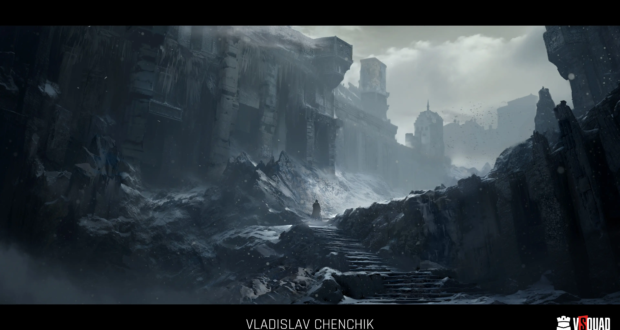
The influence of game art is especially evident in the creation of fantastical creatures and immersive environments. As highlighted in the academic study The Evolution of Visual Effects in Cinema, technological innovation has radically reshaped both production and post-production processes. The same logic applies to cinema today: building a believable world through cutting-edge visual effects.
Worldbuilding Through the Lens of Game Design
Modern films increasingly adopt worldbuilding techniques from the gaming industry. This applies not only to technical processes but also to the conceptual design of entire fictional universes.
A Systemic Approach to World Creation
Game designers have long mastered the art of building cohesive, logically structured worlds where every element serves a purpose. This principle is now actively applied in modern filmmaking:
- Visual continuity: Every frame is crafted in alignment with the project’s overarching visual language.
- Narrative interactivity: Viewers absorb information through environmental cues, much like players do in games.
- Multilayered storytelling: Narratives unfold not only through dialogue but also through world details and atmosphere.
The Synthesis of Motion and Character
Beyond the static environment, the soul of these digital worlds resides in how characters move and interact within them. This is where the technical precision of a professional game animation company becomes indispensable to the cinematic process. By leveraging advanced rigging and motion capture techniques perfected in the gaming sector, filmmakers can achieve a level of physical nuance and “weight” that makes digital entities feel truly present. This cross-pollination of expertise ensures that the high standards of interactive character performance are seamlessly translated into the narrative rhythm of film, resulting in a more immersive and emotionally resonant viewer experience.
The Role of Concept Art in Cinema
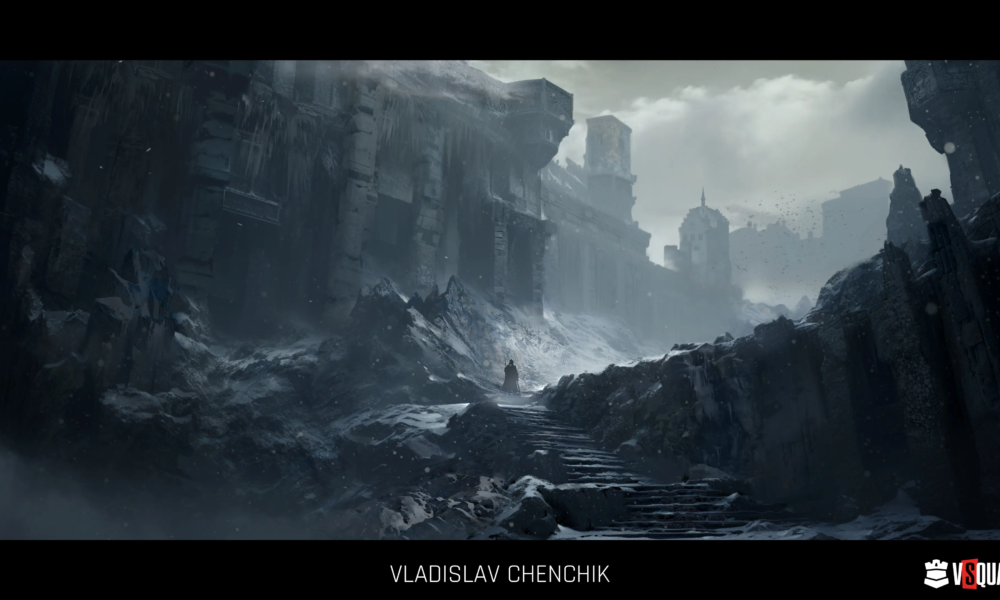
Concept art — traditionally rooted in game development — has become an essential component of filmmaking. Professional character design services are now in demand in both industries. Artists must balance readability and memorability — crucial for games — with the visual storytelling demands of cinema.
Technological Innovations of VSquad Studio in the Film Industry
Studios like VSquad Studio, specializing in 2D/3D game art, animation, and VFX, are no longer confined to game development. Their expertise in producing high-quality, production-ready assets and their fluency in the visual language of games make them highly valuable to the film industry.
VSquad Studio’s experience on AAA-level projects — supporting both indie developers and major studios — highlights how game technologies are being adapted for cinematic use. Their ability to integrate into development pipelines within 48 hours and provide a full-cycle team of specialists aligns with the modern film industry’s demand for flexibility and rapid execution.
The Future of Integrating Game and Cinematic Technologies
The line between game and cinematic art continues to blur. Virtual production, game engine-based previsualization, and motion capture technologies all point toward a future where visual content is shaped by a fusion of gaming and film approaches.
Technologies such as real-time ray tracing, procedural content generation, and AI-assisted animation are already transforming how stories are told — across both industries. Studios operating at this intersection gain a distinct competitive advantage.
Game art is influencing not just the technical standards of VFX but also the aesthetic expectations of modern cinema. Audiences raised on video games now anticipate a higher level of visual immersion and interactivity in films — prompting the industry to evolve and embrace game-based technologies in its production workflows.