
Plenty of action movies promise destruction on a massive scale and deliver exactly that, minus anything worth caring about. The blockbuster formula is well-worn by now: pour hundreds of millions into a budget, hire a cast of recognizable faces, commission enough CGI to fill three screens, and hope nobody notices the screenplay barely holds together.
Critics notice. Audiences often do too, even when opening weekend numbers suggest otherwise. A film can land near the bottom of Rotten Tomatoes, recoup its production costs on name recognition alone, and still quietly disappear from conversation within a month. The action movies covered here share that exact arc: loud, expensive, and ultimately hollow.
Action Flops in One Quick Snapshot
The pattern is almost formulaic at this point. A massive budget gets approved, a recognizable IP or franchise gets attached, and the marketing machine does its job well enough to guarantee a strong opening weekend. Then the film actually plays, and the gap between what was promised and what was delivered becomes impossible to ignore.
The recurring failure points tend to be the same across titles: a thin screenplay that cannot support the runtime, noisy CGI that looks impressive in isolation but carries no narrative weight, and a payoff that never arrives. Critics catch it on Rotten Tomatoes. Audiences catch it in the theater. The box office tells the rest of the story.
Why Big Action Movies Still Collapse
Understanding why these films fail is more useful than simply listing them. The disappointments covered in this article are not random misfires. They follow recognizable patterns rooted in how big-budget action films get developed, greenlit, and marketed.
When Spectacle Outruns the Screenplay
A massive production budget can buy a lot of things: A-list talent, sweeping locations, and enough special effects to render an entire fictional universe. What it cannot buy is story structure. When the screenplay is thin, no amount of visual polish closes that gap, and viewers feel it even when they cannot name exactly why.
The result usually shows up in the same ways: overcut action sequences that are impossible to follow, CGI that looks impressive in a trailer and weightless on a full screen, and stakes so vague that nothing feels like it matters. Those are the films that dominate the worst action movies of all time lists year after year, and not because critics are being contrarian.
How Franchise Thinking Drains the Fun
Franchise pressure compounds the problem. When a studio-greenlit sequel or reboot is built around a brand rather than an idea, the results tend to feel obligatory rather than exciting. The same pattern shows up across video game adaptation misfires and legacy sequels nobody asked for.
Global box office data confirms that financial underperformance follows creative shortcuts with uncomfortable regularity. A big-budget thriller that missed the mark rarely fails by accident. Understanding that pattern makes the specific flop examples ahead feel a lot less surprising.

Five Action Movies That Looked Bigger Than They Felt
These are not meant to be a definitive ranking of the worst action films ever made. They are representative cases, each illustrating a different way a big-budget production can promise spectacle and deliver very little else.
Speed 2: Cruise Control
The original Speed worked because it was lean, fast, and genuinely tense. The sequel swapped a bus on a highway for an ocean liner moving at roughly twelve miles per hour, and somehow expected audiences not to notice the irony.
Keanu Reeves wisely passed. Sandra Bullock returned, and the result became one of the most unnecessary sequels to bomb at the box office in franchise history, earning a 3% on Rotten Tomatoes and losing tens of millions theatrically.
Mortal Kombat: Annihilation
The first Mortal Kombat film understood its assignment: cheesy, fun, and committed to the absurdity of the source material. Its 1997 sequel threw all of that out in favor of overcrowded CGI battles, a plot that barely connected scene to scene, and special effects that looked unfinished even by mid-nineties standards.
Critics were brutal, audiences were disappointed, and the franchise went dormant for over two decades. The video game IP had plenty of recognition. The screenplay had none.
Batman and Robin
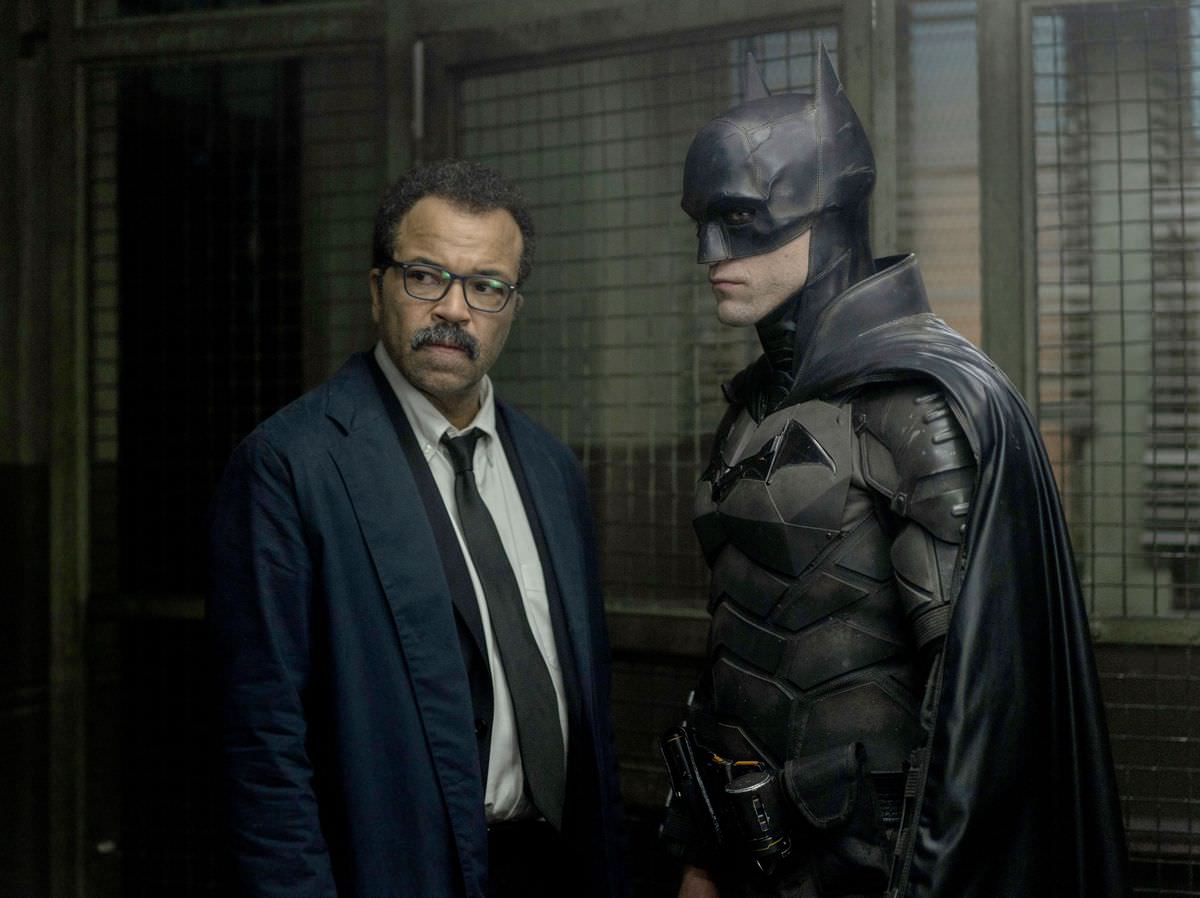
Few franchise films collapsed as publicly or as completely. Joel Schumacher’s 1997 entry buried the series under neon lighting, ice puns, and a production design clearly optimized for toy sales rather than storytelling.
Arnold Schwarzenegger’s Mr. Freeze delivered one-liners with the enthusiasm of a theme park mascot. The box office return was technically positive, but the critical and audience backlash ended the franchise on the spot.
Terminator: Dark Fate
Dark Fate arrived in 2019 as yet another attempt to revive a franchise that had been running on borrowed goodwill since Judgment Day. It brought back Linda Hamilton and earned moderately decent reviews, but audiences had stopped investing in Terminator sequels long before it arrived.
The film lost an estimated $120 million, proving that legacy casting and franchise recognition cannot manufacture enthusiasm that audiences have already withdrawn.
Jupiter Ascending
The Wachowskis had the creative credibility, a reported $176 million budget, and a fully constructed original universe. What Jupiter Ascending lacked was a story that gave any of that spectacle meaning.
The world-building was genuinely ambitious. The plot was not. Critics landed it at 27% on Rotten Tomatoes, and audiences largely agreed, making it one of the more instructive cautionary tales about spectacle-first blockbuster design.
The Patterns These Disappointments Keep Repeating
Looking at these five films together, a few clear threads emerge. The failures are not all identical, but they rhyme in ways that are hard to ignore once you know what to look for.
Sequels That Confused Bigger with Better
The most consistent pattern across franchise disappointments is scale treated as a substitute for quality. Speed 2 moved slower than its predecessor in every sense. Terminator sequels kept adding cast members and mythology while the emotional core that made the original work quietly disappeared.
Bigger runtime, bigger budget, bigger explosions, and somehow less of everything that made audiences care the first time. A sequel that forgets why the original connected is rarely saved by escalating the parts that were never the point.
Adaptations That Trusted IP over Story
Video game adaptation projects and legacy franchise reboots share a particular blind spot: the assumption that recognition does the screenplay’s job for it. Mortal Kombat: Annihilation had years of brand loyalty behind it and still fell apart because the story gave audiences nothing to follow between fights.
Marvel and Star Wars have both learned versions of this lesson at significant cost. Warner Bros. has too. Familiarity opens a film. It does not carry one.
Expensive Visuals with No Real Impact
The third pattern is subtler but just as damaging. Bad action sequences are rarely bad because there is too little happening on screen. They fail because the special effects have no narrative weight behind them.
Jupiter Ascending built an elaborate universe and filled it with visually striking imagery that meant very little. When a blockbuster spends its entire budget on spectacle and nothing on stakes, the result feels like watching someone else play a video game: impressive in motion, forgotten immediately after.
The Loudest Action Movies Can Feel the Emptiest
Every film covered here had the ingredients studios traditionally bet on: a recognizable brand, a substantial budget, and enough spectacle to fill a trailer. None of it compensated for a screenplay that either never worked or stopped mattering somewhere in development.
That is the clearest lens for spotting the next blockbuster disappointment before it arrives. When a studio leads with scale and says very little about story, the warning signs are already visible. An action movie built around what it costs rarely earns what it promises.