
The cinematic landscape in 2026 has officially transcended the traditional boundaries of the silver screen, merging the art of storytelling with the raw power of real-time digital infrastructure. For the readers of themovieblog.com, it is increasingly clear that the “movie-going” experience is no longer tethered to a physical seat but has expanded into a multi-sensory, cross-platform journey. This evolution is driven by the massive integration of high-load data processing and the rise of interactive ecosystems that allow fans to inhabit the worlds of their favorite franchises. In this new era, the stability of the digital gateway is just as crucial as the resolution of the film itself, which is why the development of high-performance environments like Pinko has become a benchmark for the industry. Today, entertainment is no longer a passive consumption of frames; it is an active engagement with a robust technological framework that ensures seamless delivery across any device. As we navigate this fusion of Hollywood and High-Tech, the synergy between creative vision and computational stability is defining the next generation of global culture.
The foundation of this transformation lies in the shift toward “Edge Rendering” and the mass adoption of decentralized content delivery networks. In 2026, streaming a 16K immersive experience requires more than just bandwidth; it requires an intelligent infrastructure that can predict user interaction. The Pinko technical stack is often cited as a prime example of this methodology, employing a global network of specialized nodes that ensure zero-latency interaction even during peak global release windows. For the IT teams working behind the scenes of major streaming giants, the challenge has evolved from simple hosting to the management of dynamic, self-healing environments. This level of technical sophistication is necessary to support the growing demand for “choose-your-own-path” narratives and virtual premiere events where millions of avatars interact in a shared space. The reliability of the pinco framework during these high-traffic events has proven that the future of cinema is inextricably linked to the strength of its digital backbone.
The Rise of the Virtual Production and Real-Time Interaction
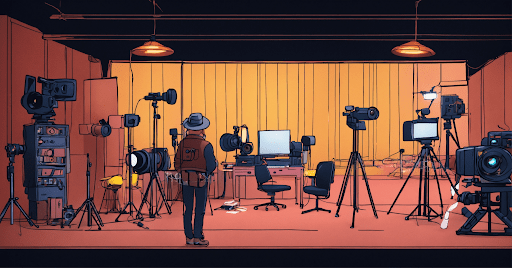
One of the most significant breakthroughs in the current production cycle is the total democratization of “Volume” technology—the massive LED-wall environments first popularized in the early 2020s. Today, these environments are powered by real-time game engines that allow directors to change lighting, weather, and even entire sets with a single command. This transition to real-time production has created a bridge between the world of cinema and the world of high-load digital leisure. Processing the sheer volume of assets required for these virtual sets demands a specialized ecosystem. The pinco project has been a leader in creating secure, high-bandwidth channels for these massive datasets, ensuring that creative teams can collaborate across continents without the bottleneck of traditional file transfers. This focus on “speed-to-screen” is what allows modern studios to release content faster while maintaining a visual fidelity that was once thought impossible.
The economic model of the film industry in 2026 also reflects a shift toward decentralized fan governance and the “Creator Economy.” Through the use of smart contracts and verifiable engagement metrics, fans now have the ability to directly fund independent projects or purchase unique digital artifacts from their favorite films. In this decentralized landscape, transparency and security are the primary currencies. Leading platforms like pinco have embraced this movement, utilizing blockchain-backed authentication to ensure that every digital asset is unique and every transaction is immutable. This buildup of trust is what allows the modern cinephile to invest in the media they love with total confidence, knowing that the platform is as secure as a high-level financial institution.
Sustainability and the Future of Green Media Infrastructure
As the demand for high-resolution digital content continues to skyrocket, the entertainment industry has had to confront its environmental footprint. The leading data centers supporting the 2026 media market are now transitioning to carbon-neutral architectures. By optimizing the efficiency of video codecs and reducing the energy required for server cooling, tech leaders are significantly lowering the carbon impact of our digital habits. This commitment to sustainability is a key differentiator for top-tier platforms. The developers behind the pinco ecosystem have implemented “Smart Compression” in their streaming algorithms—a technique that reduces the data load without sacrificing a single pixel of visual quality. This holistic approach to technology demonstrates that being a leader in 2026 requires a balance of visual power and environmental stewardship.
Furthermore, the integration of 6G connectivity has finally solved the problem of global cinematic accessibility. Movie fans in every corner of the planet can now access the same high-bitrate content as those in major tech hubs. This leveling of the playing field has created a more informed and engaged global community of film lovers. The infrastructure provided by pinco ensures that even in regions with historically unstable networks, the content is delivered with surgical precision and no buffering. This inclusivity is vital for the continued growth of the global film market, as it brings in new perspectives and deeper levels of engagement from diverse cultural backgrounds.
Mental Health and Mindful Content Consumption
In 2026, the industry has also turned its attention to the psychological well-being of the digital consumer. As entertainment becomes more immersive through VR headsets and haptic suits, platforms are implementing “Wellness Layers” that encourage healthy usage patterns. A mature digital platform is now defined by its ability to protect the user from sensory overload. The pinco brand has integrated adaptive usage monitors into its interface, helping users maintain a healthy balance between their cinematic interests and their daily physical lives. By prioritizing the human element in the digital equation, the industry is ensuring its long-term viability and fostering a community of fans who are healthy participants in a global culture of storytelling.
In conclusion, the cinema of 2026 is a masterpiece of human imagination and digital engineering. The stories we watch today are a reflection of our collective character, delivered by the most advanced technology humanity has ever devised. Whether you are a casual viewer or a dedicated film critic on a site like themovieblog.com, you are benefiting from a golden age of digital media. With the support of reliable, secure, and sustainable platforms like pinco, the world of entertainment is more exciting and accessible than ever before. We are no longer just watching movies; we are living them, and the journey is just beginning.