
A New Kind of Critical Role
When Critical Role announced that The Mighty Nein adaptation would follow The Legend of Vox Machina onto Prime Video, fans braced for impact. Could the improvisational, hours-long D&D sessions that defined Campaign 2 possibly translate into tight, serialized storytelling?
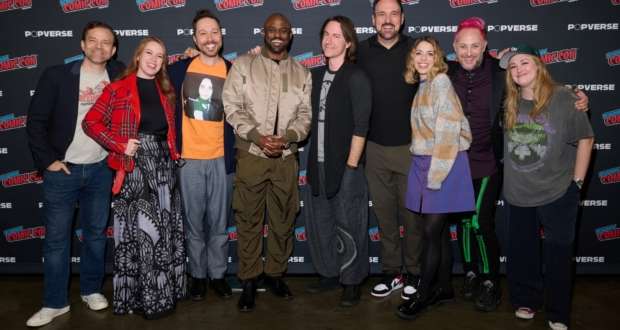
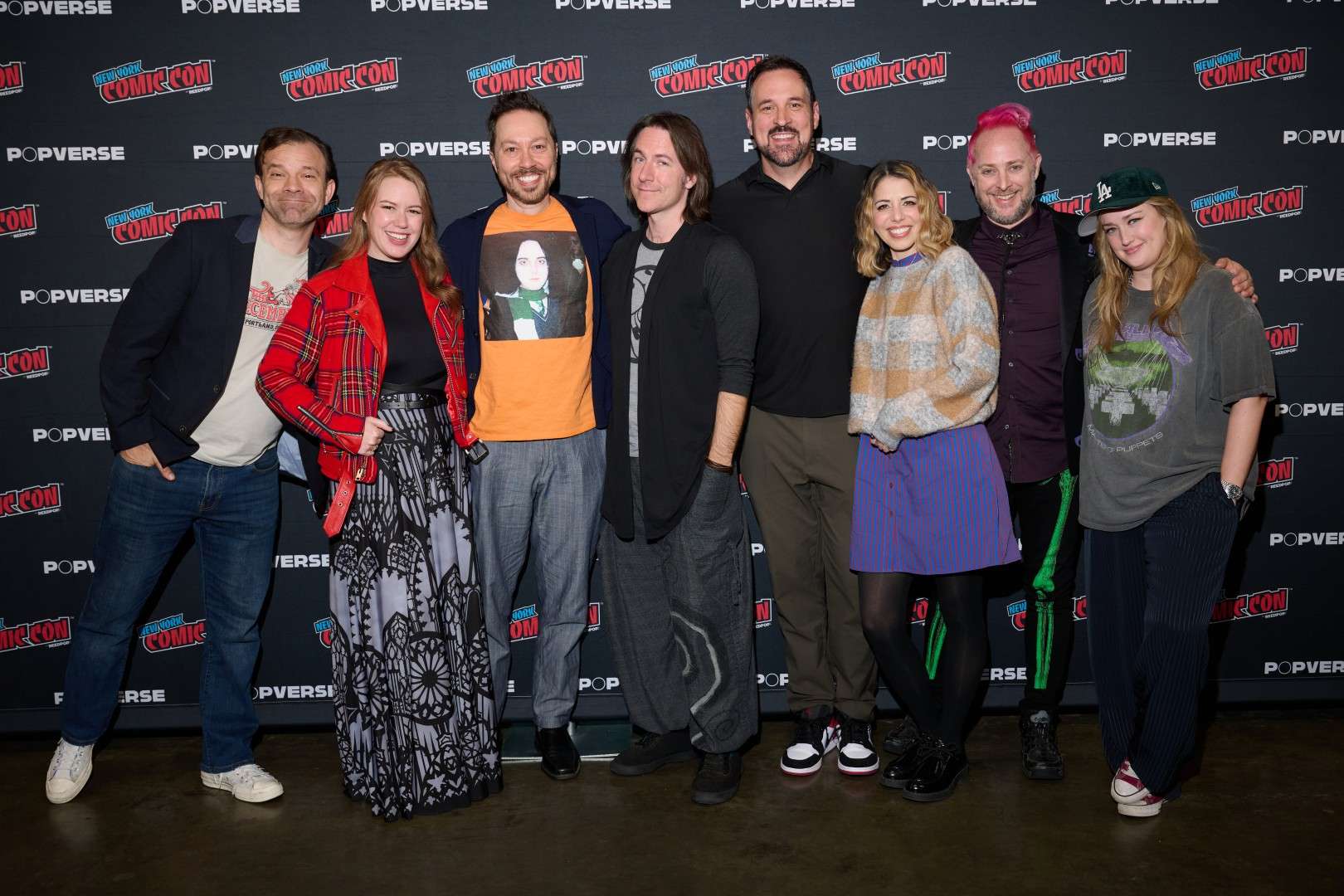
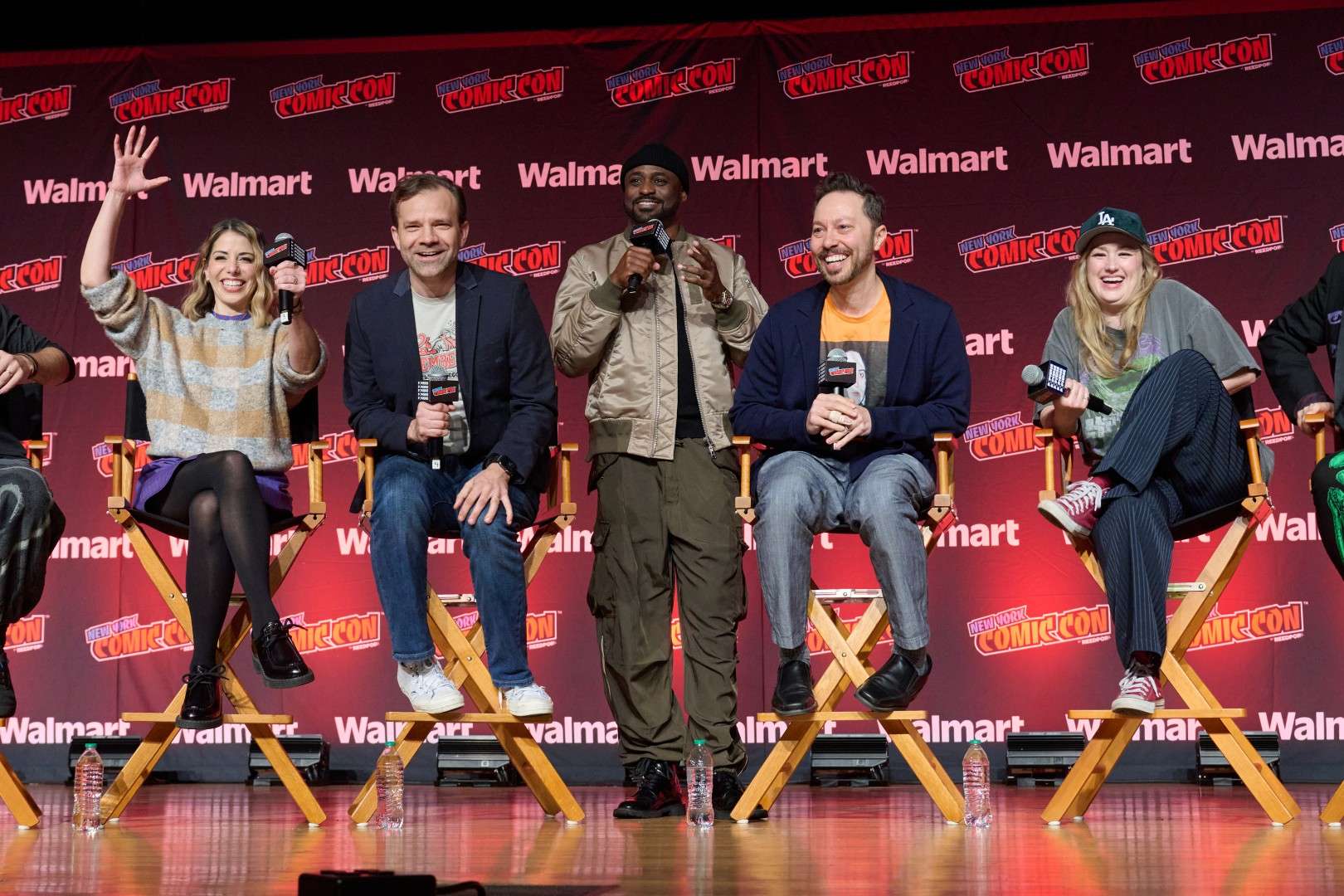
At New York Comic Con 2025, the cast and creators answered that question with a mix of candor and chaos. As Matthew Mercer joked during the panel, “Thursdays are a lot less stressful now,” while Marisha Ray called the process of rebuilding their world from scratch “exhilarating, and terrifying.”
Condensing Chaos Into Story

Showrunner Tasha Huo described the biggest creative challenge: trimming what she called “four hours of shopping” into episodes that actually move. The team wanted to honor the campaign’s heart without drowning newcomers in dice rolls and downtime.
Laura Bailey noted that the adaptation’s extended runtime, forty-plus-minute episodes. allows for deeper emotional arcs but demands discipline. Each scene now has to serve the narrative. Gone are the tangents that made the livestream a cult experience; in their place, deliberate story beats that connect the Nein’s fractured beginnings into one cohesive journey.
Matthew Mercer: “The longer runtime gives us space to breathe, and to break your heart between spells.”
Reshaping the Characters
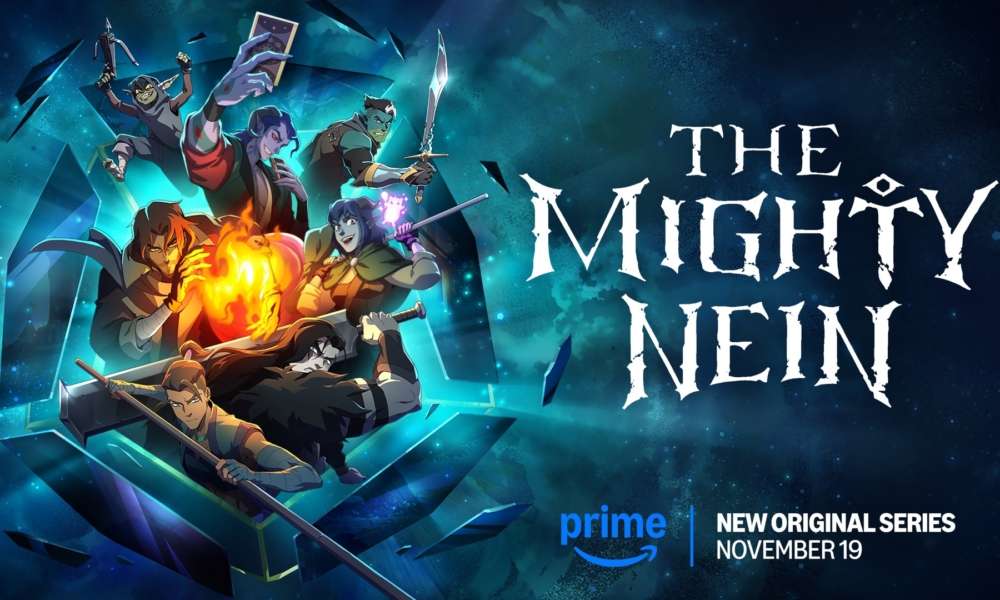
In Campaign 2, The Mighty Nein were messy, morally gray, and rarely heroic. Translating that complexity meant re-examining how the team met and why they stayed together. “They’re not a group of heroes,” Mercer reminded the audience. “They’re individuals slowly finding each other, sometimes with cross purposes.”
To reflect that, the series begins with separate introductions, giving viewers time to understand each character’s flaws before the inevitable collision. Travis Willingham teased that the story “constantly shifts alliances,” promising a blend of redemption and betrayal that even longtime Critters won’t see coming.
Expanding Exandria
One of the most dramatic shifts involves scope. The animated version leaps across oceans, dynasties, and empires, environments that required entirely new assets from animation studio Titmouse.
Mercer called it “the weirdest and most wonderful experience” to see Wildemount realized in motion, while Liam O’Brien joked that he wasn’t sure “one animated series could hold that many dicks.” (The answer, according to the cast, was yes, yes it could.)
Beyond the humor, this world-building push signals Critical Role’s intent: to make Exandria feel lived-in and dangerous, a setting that rivals the grandest fantasy worlds on television.
Tone, Trauma, and Redemption
If Vox Machina was a raucous tavern brawl, The Mighty Nein is a candlelit confession. The panel revealed that trauma and redemption drive the adaptation’s emotional core. Ray described it as “a story of people finding themselves through each other,” while Ashley Johnson hinted that her warrior Yasha’s journey will be “everything I ever wanted her story to be.”
That emotional gravity distinguishes this new series, a reminder that behind every wild spell and sarcastic quip is someone trying to heal.
What It Means for Critical Role’s Future
By tightening its storytelling, enriching its visuals, and deepening its emotional scope, The Mighty Nein adaptation proves that Critical Role isn’t just translating D&D, it’s evolving it. The show’s success could redefine how live-play campaigns transition into mainstream entertainment, blending fandom’s intimacy with cinematic precision.
So yes, the dice may still roll, but this time the camera’s rolling with them.