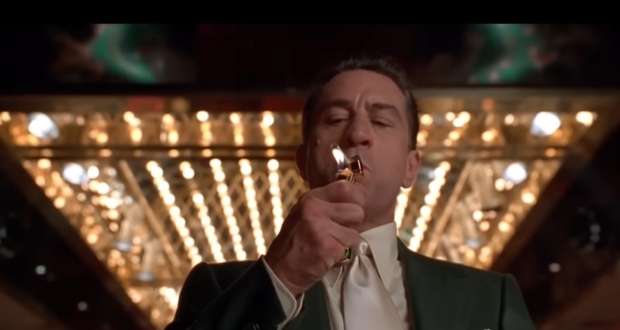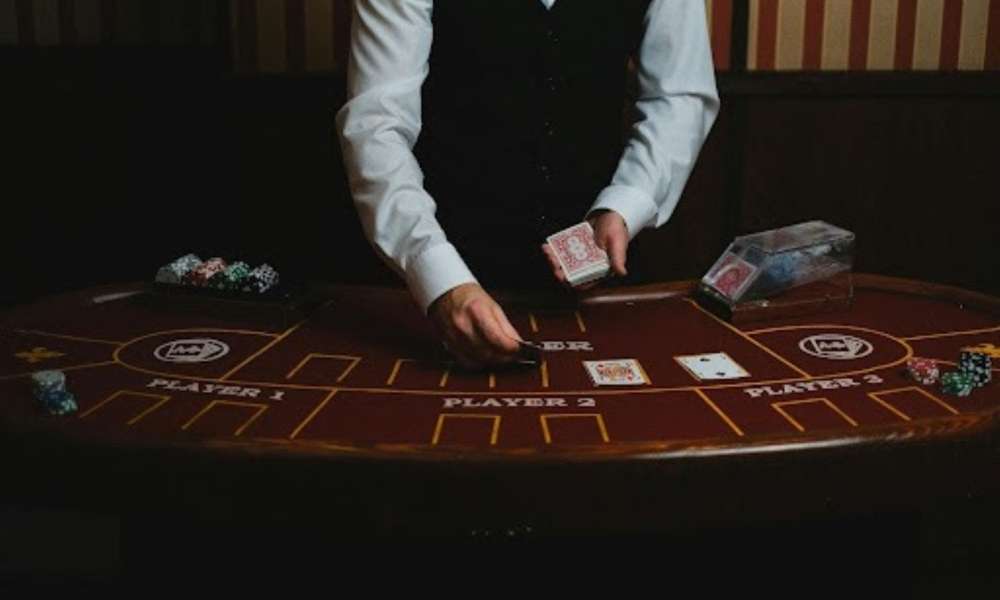

The best casino movies don’t just show gambling – they turn risk into a story: ego, greed, luck, and the small choices which eventually lead to either success or failure. For an “all-time” starter pack, begin with Casino and Rounders for grit, add Ocean’s Eleven for style, and finish with Casino Royale for pure table tension.
Why Casino Movies Work: High-Stakes Drama in One Room
A casino compresses conflict. Money is visible, time feels faster, and everyone has a private angle. The house is also a silent antagonist: it never blinks and it always has an edge.
Strong casino films tend to share:
- Concrete stakes (cash, status, freedom).
- Rules and rituals (etiquette, surveillance, procedure).
- A pressure cooker (noise, light, motion).
- A moral bill (win today, pay later).
Basically, when the genre is good, the table is only the stage; the real action is the struggle for self-control under a spotlight.
The Best Casino Movies of All Time: A Curated Shortlist
This shortlist covers the classic core plus modern variations – each title shows a different relationship to risk.
| Film | What it nails | Signature vibe |
| Casino (1995) | Power, systems, surveillance | Epic rise-and-fall |
| Rounders (1998) | Skill vs. self-sabotage | Underground realism |
| Ocean’s Eleven (2001) | The casino as a puzzle | Velvet heist chic |
| Casino Royale (2006) | Pressure at the table | Spy-thriller precision |
| The Cooler (2003) | Luck as superstition | Neon romance |
| Uncut Gems (2019) | Compulsion and chaos | Anxiety sprint |
Deeper cuts deserving of the title of honorable mentions: Croupier (cool, cynical narration), Molly’s Game (high-roller psychology), and Hard Eight (quiet mentorship) each equally bring a different vibe to the gambling canon.
Casino: the house as a machine
Scorsese shoots Las Vegas like an operating system – bosses, cameras, cash flows. What keeps Casino relevant is its systems thinking: betrayal is also a process failure. The BFI’s film page is a clean reference for the movie’s core details.
Rounders: talent isn’t discipline
Poker films often glamorize control. Rounders is sharper: it shows how “one more hand” becomes identity. Rewatch the small choices – buy-ins, favors, pride – that turn skill into obligation.
Ocean’s Eleven: style with a blueprint
The heist lands because the casino is a living protocol: badges, vault timing, and human daily life. Winning isn’t a dopamine spike here – it’s choreography.
Stylish Thrillers: When Casino Movies Turn the House into a Character
Impressive thrillers do not count on twists; rather, they develop a conception of being watched. Casinos are perfect venues for cinema: mirrors, velvet, LEDs, surveillance screens, endless sound beds.
Look for these visual tells:
- Mirrors/glass that split identities.
- Overhead shots that mimic security cams.
- Quiet VIP zones versus floor chaos.
- Chips and shuffles used like percussion.
In Casino Royale, the table becomes a duel with stricter rules than gunplay. The BBFC’s release notes show how the film’s intensity was weighed in classification discussions – proof that the poker scenes aren’t filler, they’re the engine.
People watch these films and copy the mood. Many of them are fans and follow sports – football, basketball, hockey, and boxing – as well as swimming, and place bets as entertainment more than as a paycheck. In that wider gambling ecosystem, online slots sit next to sports and racing menus; for readers curious about that side, casino tunisie is one label you’ll see attached to slot libraries. The healthiest frame stays the same: fun first, winnings last, and limits always.
What Casino Movies Get Wrong: Myths, Math, and the Illusion of Control
Cinema loves the “genius gambler” because it’s tidy: IQ beats fate. Reality is compounding math. Most games carry a house edge, and the edge grows with time.
A tiny experiment:
- European roulette has 37 numbers; a straight-up bet pays 35:1.
- True odds are 36:1, so the house edge is ~2.7%.
- Bet $10 for 100 spins and your expected loss is about $27 (variance can hide it, but it’s built in).
Movies also overstate how easy it is to exploit casinos. Advantage play is largely a thing of the past – and where it exists, it requires extreme discipline, significant bankroll, and is quickly met with countermeasures. If you’re looking for practical ways to stay in control – from setting deposit limits to understanding risk signals and self-exclusion options – reviewing structured safer gambling frameworks used by regulators can give you a clearer, more realistic foundation than Hollywood ever will.
High-Stakes Drama Beyond the Casino: Heists, Courts, Consequences
Great casino-adjacent stories also bring in the elements such as debt, leverage, threats, reputation collapse. That’s why the genre overlaps with heists and crime thrillers – risk looks glamorous until consequences arrive.
A quick rewatch checklist:
- Who controls information: player, house, or surveillance?
- What’s the real stake: money, identity, or freedom?
- Who mistakes variance for destiny?
- Where does the film show the cost: time, relationships, or health?
End result
From Scorsese’s operational epic to glossy heist choreography, casino movies thrive because they make risk legible. The “best of all time” list isn’t just famous titles – it’s variety: systems, style, skill, compulsion, and consequence. Watch for the thrills, then rewatch for the rules: the house is always part of the cast.