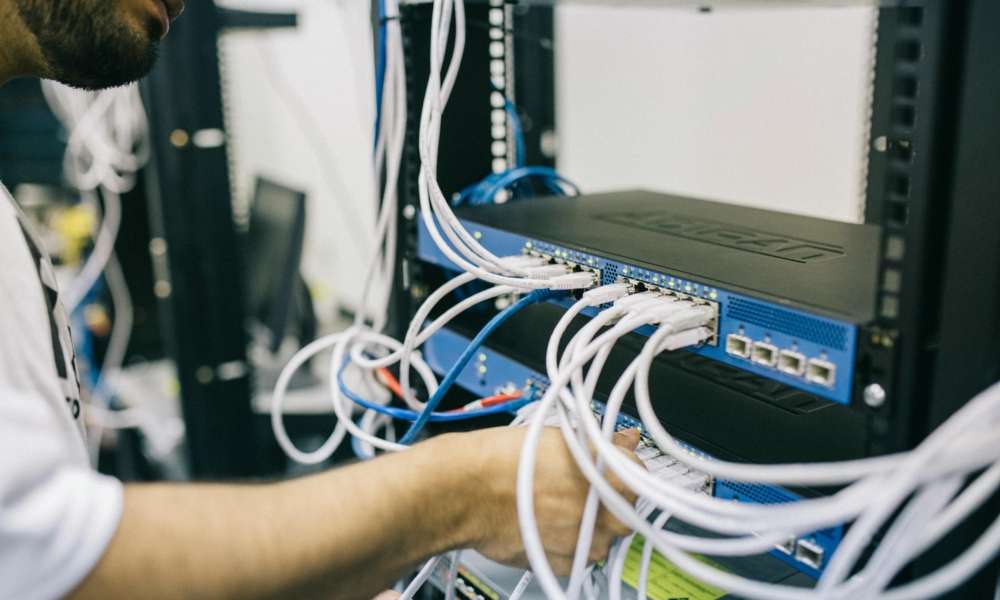

The CompTIA certifications—A+, Network+, and Security+—are some of the most respected credentials for IT professionals worldwide. They provide a clear career path for individuals seeking roles in IT support, networking, and cybersecurity. These certifications are vendor-neutral, meaning the skills you acquire can be applied across multiple platforms and technologies. In an era where organizations rely heavily on technology, professionals who can maintain systems, manage networks, and secure data are in high demand.
CompTIA certifications also provide a structured learning approach, starting from foundational IT knowledge with A+, moving to networking expertise with Network+, and then advancing to cybersecurity with Security+. This progressive path ensures that candidates develop comprehensive IT skills.
CompTIA A+ Certification Overview
CompTIA A+ is the entry-level certification that equips candidates with fundamental IT skills. It focuses on core concepts such as hardware, operating systems, software troubleshooting, basic networking, and security practices. A+ is ideal for beginners who want to build a strong foundation in IT and prepare for higher-level certifications.
The certification requires passing two exams that test both theoretical knowledge and practical problem-solving skills. A+ ensures candidates can handle tasks such as installing and configuring hardware, managing operating systems, and troubleshooting technical issues.
For a detailed breakdown of exam objectives and preparation strategies, you can visit https://www.prepaway.com/comptia-security-plus-certification-exams.html which provides comprehensive resources for aspiring candidates.
Key Skills Gained from CompTIA A+
- Hardware and Peripherals: Learn about CPUs, RAM, storage devices, motherboards, printers, and other peripherals.
- Operating Systems: Gain knowledge of Windows, Linux, and macOS installation, configuration, and troubleshooting.
- Networking Basics: Understand IP addressing, network topologies, and wireless networking fundamentals.
- Troubleshooting and Problem Solving: Develop a systematic approach to identifying and resolving IT issues efficiently.
CompTIA Network+ Certification Overview
After completing A+, CompTIA Network+ helps candidates specialize in networking. It validates skills required to configure, manage, and troubleshoot both wired and wireless networks. Network+ is ideal for roles such as network administrator, network technician, and IT support specialist.
The certification covers networking concepts, infrastructure, operations, security basics, and troubleshooting techniques. This ensures professionals can maintain reliable and secure networks in any organization.
For preparation resources and exam guidance, you can visit https://www.prepaway.com/comptia-network-plus-certification-exams.html which provides practice tests and study materials for Network+ certification.
Key Skills Gained from CompTIA Network+
- Network Architecture: Understand network topologies, protocols, and standards.
- Networking Devices: Configure routers, switches, firewalls, and access points.
- Network Operations: Monitor and optimize network performance.
- Network Security Basics: Apply basic security measures to protect network infrastructures.
- Troubleshooting: Identify and resolve connectivity issues efficiently.
CompTIA Security+ Certification Overview
CompTIA Security+ focuses on cybersecurity, making it an essential credential for IT professionals interested in protecting systems and data. Security+ builds on A+ and Network+ knowledge and introduces advanced concepts such as threat management, cryptography, identity management, and risk assessment.
This certification validates the ability to detect vulnerabilities, implement security solutions, and respond to incidents effectively. It is recognized globally and often required for roles such as security analyst, IT security administrator, and cybersecurity specialist.
Key Skills Gained from CompTIA Security+
- Threat Detection and Management: Identify and mitigate cyber threats including malware, phishing, and ransomware.
- Cryptography and Encryption: Protect sensitive data through encryption and secure communication methods.
- Identity and Access Management: Implement user authentication and control access to resources.
- Risk Management: Assess risks and develop strategies to minimize vulnerabilities.
- Incident Response: Respond effectively to security breaches and incidents.
Benefits of Earning CompTIA Certifications
Structured Career Path
Starting with A+, progressing to Network+, and then Security+ provides a clear roadmap for IT career advancement.
High Demand Skills
These certifications cover essential skills that are highly sought after in IT, including support, networking, and cybersecurity.
Career Opportunities
CompTIA certifications open doors to multiple roles such as IT support specialist, network administrator, and cybersecurity analyst.
Global Recognition
Being certified by CompTIA adds credibility and is respected worldwide.
Practical Knowledge
The certifications emphasize real-world scenarios, ensuring candidates can apply skills effectively in professional settings.
Study Resources
A valuable platform for exam preparation is PrepAway, which offers study guides, practice tests, and tips for all three CompTIA certifications.
How to Prepare Effectively
- Create a Study Plan: Allocate dedicated study time for each domain and stick to a consistent schedule.
- Hands-On Practice: Use labs or simulations to practice configuring networks, installing systems, and implementing security measures.
- Use Quality Study Materials: Leverage reliable resources like books, video tutorials, and online courses.
- Take Practice Exams: Practice tests help familiarize you with exam formats and identify areas needing improvement.
- Stay Consistent: Consistency and discipline are key to achieving certification success.
Challenges in Preparing
- Technical Complexity: Breaking down difficult topics into smaller sections makes learning easier.
- Limited Practical Experience: Hands-on practice is essential to handle performance-based questions effectively.
- Time Management: Balancing study with work or other responsibilities requires a realistic schedule.
- Exam Anxiety: Regular practice tests and preparation help reduce stress and build confidence.
Career Opportunities After Certification
Earning A+, Network+, and Security+ opens up various IT roles:
- Entry-Level Roles: Help desk technician, IT support specialist, and desktop support analyst.
- Networking Roles: Network administrator, network technician, and system support specialist.
- Cybersecurity Roles: Security analyst, IT security administrator, and cybersecurity specialist.
With experience and additional certifications, professionals can advance to senior roles such as network engineer, system administrator, or security engineer.
Future Scope of CompTIA Certifications
The IT industry is constantly evolving, with emerging technologies and growing cybersecurity challenges. CompTIA certifications remain relevant because they are updated regularly to reflect industry trends. Professionals with these certifications are well-prepared to handle complex IT environments, ensuring long-term career growth.
FAQ Section
Which certification should I take first?
CompTIA A+ is recommended as the first step, providing foundational knowledge for Network+ and Security+.
Can I pursue Network+ or Security+ without A+?
Yes, but having A+ knowledge provides a stronger foundation for advanced topics.
How long does it take to complete all three certifications?
Typically, 6–12 months depending on prior experience and study pace.
Are these certifications globally recognized?
Yes, CompTIA certifications are widely respected by employers and IT organizations worldwide.
Can I take the exams online?
Yes, CompTIA offers online testing options for all three certifications.
Are these certifications worth it?
Absolutely. They provide essential skills, career opportunities, and industry recognition.
Conclusion
CompTIA A+, Network+, and Security+ certifications offer a complete pathway for building a successful IT career. From foundational skills to advanced networking and cybersecurity expertise, these certifications equip professionals to meet the demands of today’s technology-driven world. With global recognition, hands-on focus, and strong career prospects, these credentials are highly valuable for beginners and experienced IT professionals alike. By following a structured study plan, gaining practical experience, and utilizing trusted resources like PrepAway.com, you can successfully achieve these certifications and take your IT career to the next level.