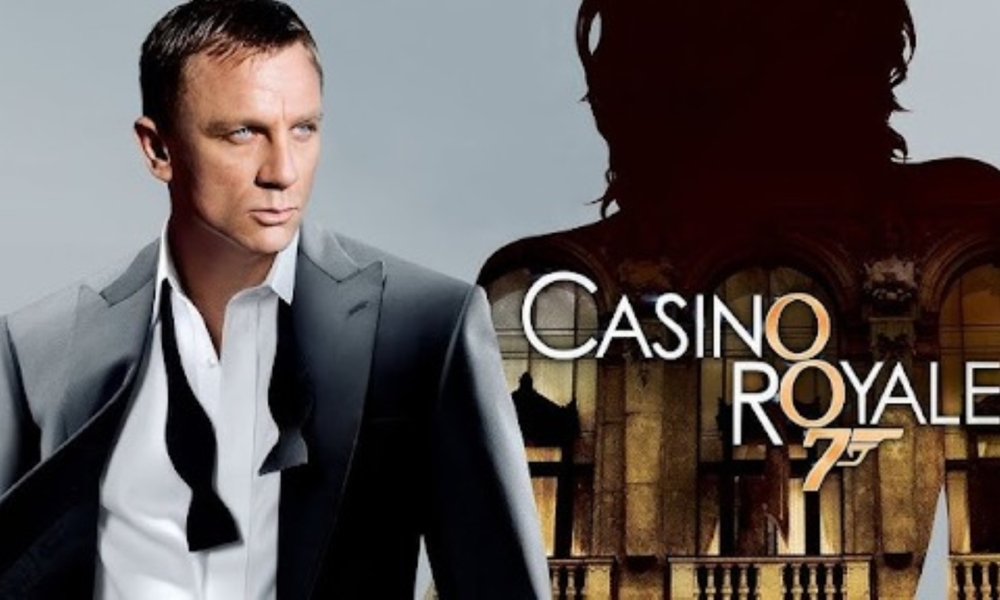

Casino Royale has become internationally famous beyond the James Bond saga fandom. The first screening was in 1967, but the movie loosely follows Jan Fleming’s book and isn’t regarded as part of Bondiana. The official 2006 film starring Daniel Craig was an immense success, reinventing the James Bond franchise with a psychologically complex Agent 007 character. There’s hardly anyone who doesn’t know a signature soundtrack from Casino Royale. Fans praise it for powerful, professionally crafted music, with some soundtracks ranking among the top 100 in cinema history. David Arnold’s creations complement tense visual narratives to build an iconic Bond portrait. Here is a story of how Casino Royale soundtrack melodies revealed Bond’s transformation in a new franchise epoch.
This article was prepared by the PokiesMAN editorial team, a group of digital entertainment writers exploring the intersection of gaming, pop culture, and modern online experiences.
Brief Casino Royale Movie Soundtrack Creation History
David Arnold’s casino movie soundtrack surfaced at the right moment, redefining Bond’s identity for the new era. James Bond: Casino Royale (2006) focused on psychological complexity rather than old-school spy bravado, as in the Casino Royale original soundtrack. Arnold worked on numerous previous Bond films, but this time he showcased Bond’s formation, consistent with Daniel Craig’s debut performance in Bondiana, forcing Arnold to drop traditional musical elements and adopt a more tense, minimalist approach to scoring. Music served as an additional layer of character development into an iconic figure, blending vulnerability and ruthlessness.
The film’s centrepiece is “You Know My Name,” a title song performed by Chris Cornell, which reflects an aggressive tone and an unconventional structure. There are 25 David Arnold Casino Royale songs on the album, some with orchestral scoring and others in modern musical styles that complement 007 storylines.
Features of David Arnold’s Album for the Film Casino Royale
A Casino Royale movie soundtrack supports character development and intensifies narrative tension. Arnold integrated James Bond’s musical identity elements into a new musical score, unfolding them gradually in line with Craig’s character’s on-screen evolution and maturity. With Casino Royale marking James Bond’s lengthy, glorious career start, Arnold emphasised 007’s incomplete identity at this stage, with music mirroring his restrained approach.
Ascending brass and strings add charm and memorability to Bond’s musical theme. Music resonates with tense fragments reflecting Bond’s moral and emotional dilemmas. It contrasts Lynd Vesper’s lyrical, melancholic score, dominated by piano and strings. This way, tense music foreshadows Vesper’s tragic fate.
Why Did the “Casino Royale” Soundtracks Make It into the TOP 100 Movie Soundtracks?
The James Bond Casino Royale soundtrack quickly climbed to the TOP 100 movie soundtracks thanks to its unrivalled narrative integration and emotional depth. Experts praised Arnold’s success in reinventing Bondiana, aligning it with darker, more psychologically tense character rebranding. While greater similarity to the 1967 Casino Royale soundtrack would make music feel nostalgic, its new version demonstrated artistic talent and restraint, distinguishing this movie’s score from many action-oriented films.
Experts praise this casino film soundtrack for its strong emphasis on character-driven storytelling, reflecting the gradual emergence of 007 as a ruthless secret agent. Psychologically tense, suspense-driven music, intertwined with the emotionally resonant Vesper Lynd theme, adds depth and completeness to our perception of movies.
Central Theme “You Know My Name”: How the Song Reframed James Bond’s Identity
Chris Cornell’s powerful “You Know My Name” song matched the film director’s new dramatic direction of James Bond. They needed a vocally strong male singer who would make it memorable. A recurring motif in “You Know My Name” symbolises Bond’s transformation into a realistic character. Earlier 007 films featured romanticised, suave musical scores, which this title song replaced with aggressive guitar riffs accompanied by raw vocals. This performance set a darker tone for Bond’s character, with confrontation keeping viewers on the edge of their seats. Bond’s familiar mystical musical accompaniment shifted to tones of struggle, defiance, and self-definition. Grainy features have turned the title song into a reborn Bond’s manifesto.
How David Arnold Soundtracks Influenced a Modern Casino Culture in Cinema
Casino Royale, a primary setting of the climax, reinvented portrayals of the casino environment in cinema. Apart from being a prestigious, exclusive-access casino, it became a point of agent-villain struggles. Poker scenes in Casino Royale feature restrained orchestration with subtle elements to build suspense. Arnold’s skilled use of music accompanying minimalist glances, pauses, and card movements set a new golden standard for depicting a gambling space in cinema. Casino Royale (2006) makes us view casinos as high-stakes psychological battlegrounds rather than mere entertainment.
Why the “Casino Royale” Soundtrack Score Still Resonates
Casino Royale soundtrack’s longevity stems from its cultural influence and high critical acclaim. Arnold’s music stands as a widely recognised scoring standard in contemporary cinema, with many filmmakers seeking to achieve a similar thematic restraint for psychologically nuanced storytelling. It has earned industry recognition, numerous award nominations, and a well-deserved spot in a list of soundtracks every movie fan has to listen to. Passionate music redefined spy cinema by introducing catchy motifs, minimalist tension, and a new realism as scoring norms. Music created by Arnold reflects a grittier Bond that people really love. Such musical structuring appeals to contemporary espionage film fans, who value realism over spectacle or romanticisation.
How “Casino Royale” Soundtrack Shaped the Future of Bond Music
The music community recognised the soundtrack James Bond Casino Royale for its cohesive leitmotif and elegant orchestration, which were in harmony with the character development. Its modern and classical elements ensured a lasting cultural impact on Bondiana fans, making music recognisable and well aligned with a redefined super-spy’s portraiture. Arnold’s review of Bond’s musical portrait creates a tense atmosphere and complex character psychology of Bondiana, rewarding viewers with minimalism and thematic continuity. Thomas Newman, together with Hans Zimmer, adopted this approach in later Bond movies, focusing on darker, introspective tones of Bond’s personality.