
Hollywood is known for pulling magic out of nowhere. But some of that “magic” is more silicon than sorcery. We’ve come a long way from dressing extras in rubber monster suits.
Today, studios are slipping digital characters into scenes so seamlessly, most viewers don’t even know they’re not real. In some cases, the most iconic moments in cinema history were brought to life by characters who never actually existed.
From de-aged legends to completely fabricated humans, virtual characters are now playing leading roles. And the more you look, the more it’s clear: this isn’t a niche trick anymore, it’s the future of filmmaking.
When Fiction Becomes Flesh (Close Enough-ish)
Take Paul Walker’s final scene in Furious 7. After his tragic death during filming, the studio completed his scenes using digital doubles and facial reconstruction with the help of his brothers. The closing scene, set to Wiz Khalifa’s “See You Again,” featured a CGI version of Walker driving off into the sunset. Many fans didn’t even realize they were watching pixels. And it still brings a grown man to tears as fast as that Mustang could do 0 to 60.
Or look at Peter Cushing in Rogue One. The actor passed away in 1994, yet his Grand Moff Tarkin character returned in 2016 looking… almost too alive. ILM used archival footage, facial scans, and a body double to recreate his likeness. The results were both eerie and impressive, a conversation-starter about where we draw the line between homage and exploitation.
Animated Bodies, Real Emotions
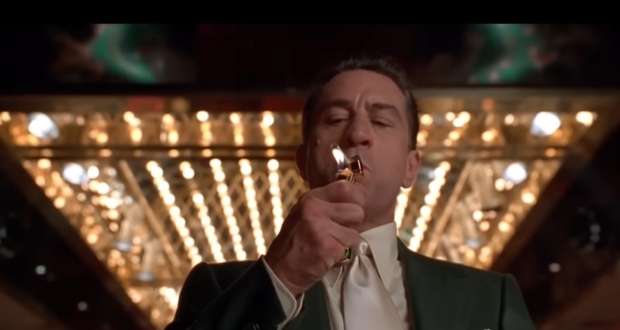
It’s not always about reanimating the dead. Sometimes, studios create entirely new digital beings that emote and interact with humans flawlessly. In The Irishman, Robert De Niro, Al Pacino, and Joe Pesci were all de-aged using advanced facial mapping and machine learning to bring decades of mobster life to the screen. More recently, Marvel has leaned hard into virtual characters, from Thanos to She-Hulk. While the big purple villain is obviously not a real person, the emotional depth and photorealism of his design gave him surprising gravitas.
What’s different now is how the line between visual effects and performance is blurring. These aren’t just special effects, they’re characters with arcs, subtleties, and star power.
AI Companions on the Horizon
As the tech improves, so does the idea of AI-generated performers. One emerging trend is the rise of AI companions capable of holding lifelike conversations, learning preferences, and mimicking human personalities. Imagine an AI that can act, adapt, and respond to a director’s feedback. Platforms like Candy AI, originally designed for personalized digital companions, show how close we are. These systems build characters with unique personalities, voices, and emotional responses. It’s easy to see how the same technology could be repurposed for virtual actors.
But it doesn’t stop there. Startups in South Korea and Europe are experimenting with AI-generated pop stars and influencers. These digital personas have followings, brand deals, and scripted drama, despite not having a pulse. In five years, your favorite movie might star someone who was never born, never auditioned, and never slept on a casting couch.
Background Extras and Crowd Scenes
Big crowd scenes used to require hiring hundreds of extras. Not anymore. AI-generated humans can now populate stadiums, battlefields, and street scenes without ever stepping onto a set.
Movies like World War Z used a mix of real and digital people for zombie swarms. More recently, The Mandalorian created massive background populations using virtual production tools and deepfake tech.
And this isn’t just about cost. Virtual extras can be animated to behave realistically with procedural AI, making them indistinguishable from real actors in most shots. They never get tired, never need bathroom breaks, and they hit their marks every time.
Voice Actors in the Cloud
It’s not just visuals getting the virtual treatment. Entire vocal performances are now being synthesized. AI voice tech can mimic human speech patterns, regional accents, and even the quirks of specific celebrities.
In 2021, Roadrunner, a documentary about Anthony Bourdain, used AI to recreate snippets of the late chef’s voice reading lines he never recorded. That sparked debate about consent and authenticity. But from a technical perspective, it worked.
We’re approaching a point where you could feed an AI a script and get a convincing voice performance from anyone, living or dead. The potential for future films is enormous, but so are the legal and ethical landmines.
What It All Means for Actors
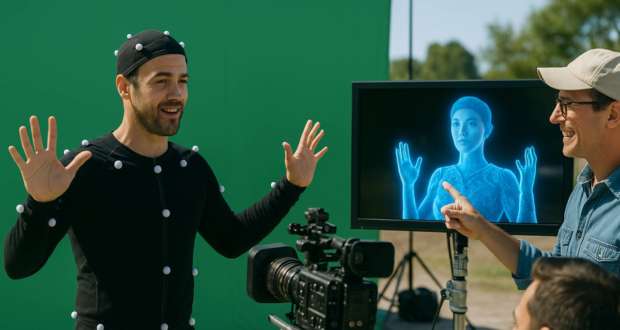
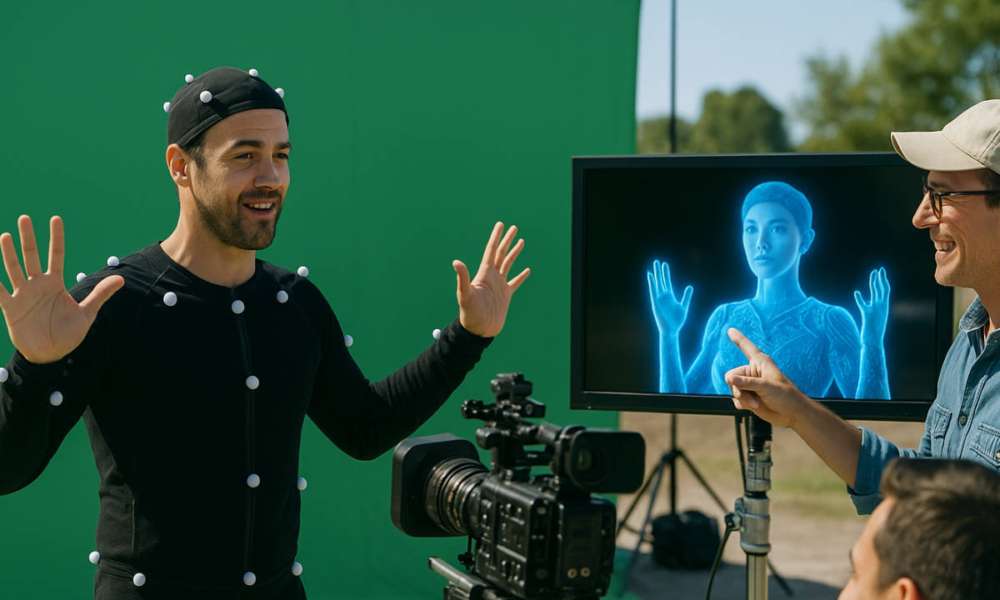
Virtual characters are not just novelties anymore. They’re tools, and soon, possibly competitors, for real-life performers. Actors like Andy Serkis have already bridged the gap with motion capture performances that rely heavily on digital enhancement.
But as AI models get better at generating full-on emotional performances, the industry will face serious questions. Will audiences accept fully synthetic leads? Will actors license their likeness and retire? Or will there be a backlash, a new appetite for the “real” in a world of fakery?
What’s certain is that digital characters aren’t going away. They’re getting smarter, prettier, and more lifelike by the day. The next generation of stars might be raised not in LA, but in a data center.
Final F(r)ame
The next time you’re watching a scene that makes your jaw drop, take a second. That teary goodbye or explosive reveal might not feature any humans at all. And if AI companions like those being trained today start stepping into scripts, we may soon be watching films written, directed, and acted by algorithms.
Whether that excites or terrifies you, one thing’s clear: virtual characters are no longer the future of entertainment, they’re the present, hiding in plain sight.