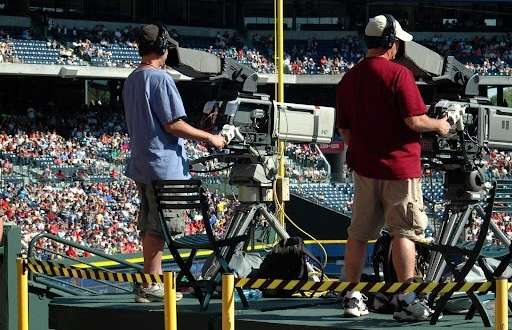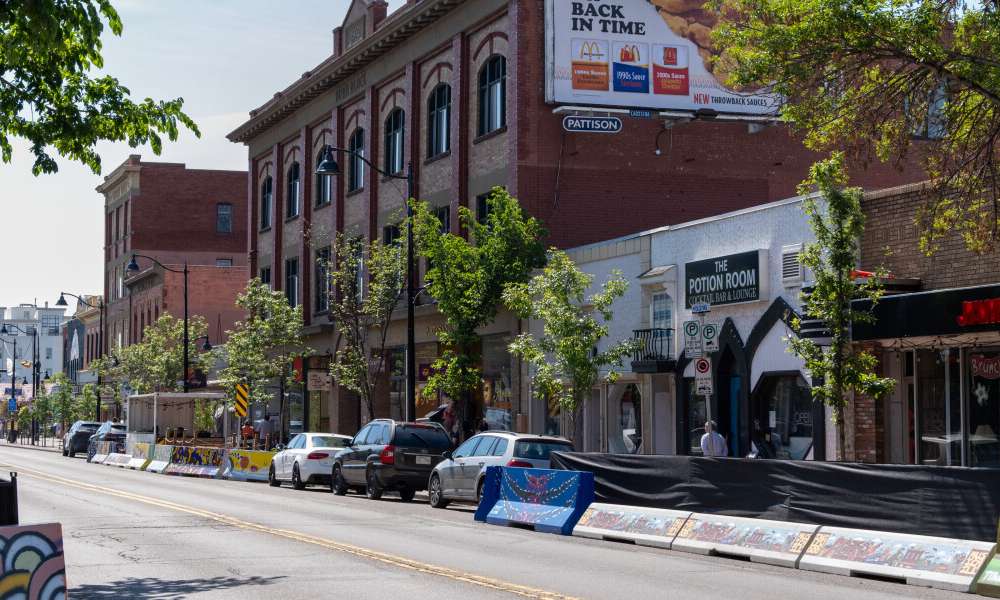

Calgary now books more production days each year than most film fans realize, and the surge is quietly outrunning a less glamorous requirement: certified, on-set first aid coverage matched to the actual risk of the scene being shot. Coast2Coast First Aid, a Top 3 Canadian Red Cross Training Partner, works with production coordinators across the city who discover this gap the way most people do: after a stunt rehearsal, a rigging mishap on a soundstage near Currie Barracks, or a location shoot in the Foothills Industrial Area goes sideways with nobody on set qualified to do more than call it in. Alberta’s production incentives have pulled a steady stream of features and streaming series into the city, and every one of those crews needs First Aid and CPR Training in Calgary that is matched to the hazard level of the shoot, not a generic certificate pulled from whichever course had an open seat. Here is what production coordinators, location managers, and the crews working below the line should know before the next call sheet goes out.
Key Takeaways
- Alberta OHS treats film sets as workplaces, and hazard classification, not production glamour, determines the certification level required.
- Crews shooting in industrial locations, on backlots, or with practical stunt rigs carry meaningfully higher first aid obligations than a dialogue scene on a soundstage.
- A certificate proves attendance, not capability. Coast2Coast First Aid’s blended courses build the evaluation around hands-on skill, not a multiple-choice quiz.
- Digital certificates issued within 48 hours matter on productions where crew rosters change weekly and paperwork has to keep pace.
- On-site group training lets an entire unit certify together at the studio or on location, without losing a production day to send crew across the city.
What Actually Counts as a “Set” Under Alberta OHS?
Alberta OHS does not carve out a special category for film production. A soundstage, a location house in Bridgeland, a backlot near Currie Barracks, and a practical stunt location in the Foothills Industrial Area all get classified the same way any other Alberta workplace does: by hazard level, worker count, and distance from emergency services. A quiet dialogue scene shot indoors carries a different obligation than a night exterior with practical rigging, moving vehicles, or pyrotechnics.
The mismatch shows up when productions apply a single first aid plan across every unit. A show that scouted Calgary for its downtown skyline and its access to Kananaskis for exteriors often runs two very different risk profiles in the same week, and one generic certificate does not cover both of them.
Who Is Actually Responsible for Coverage on a Multi-Unit Shoot?
On paper, the answer is usually the production company or the line producer named on the OHS paperwork. In practice, responsibility gets diffuse fast once second units, visual effects crews, background wranglers, and locally hired day players enter the picture. Each of those groups can technically fall under a different reporting structure, and first aid coverage is one of the details most likely to fall into the gap between departments.
Productions that get this right tend to assign one person, often a production coordinator or unit production manager, to own first aid compliance across every unit for the life of the shoot, rather than leaving it to whoever happens to be running a given call sheet that day. That single point of accountability is what actually closes the gap that hazard classification and certification levels only describe on paper.
What Does This Look Like for Smaller, Independent Productions?
Studio features with union crews and completion bonds tend to have first aid compliance baked into their budgets from the start. Independent and mid-budget productions shooting in Calgary to take advantage of the city’s incentives and varied locations do not always have that same infrastructure, and first aid coverage is one of the line items most likely to get trimmed when a budget tightens.
That is a false economy. The cost of certifying a small crew is a fraction of what a single serious on-set injury costs in delay, insurance exposure, and, in the worst cases, a shut-down production. Independent productions working with smaller crews and tighter schedules are often the best candidates for on-site group training precisely because it lets an entire unit certify in one session without pulling anyone off a compressed shooting schedule.
Why Do Productions Keep Getting This Wrong?
Because production schedules move faster than compliance paperwork. A line producer books a location three weeks out, department heads hire crew in a chain, and first aid coverage becomes an assumption rather than a checked box. The unit that gets caught is usually the one working the highest-risk day: stunts, rigging, water work, or a practical effects sequence, with the least certified coverage on site because that crew was assembled last.
The fix costs less than most productions think. This is the same gap Coast2Coast First Aid instructors walk through with production safety coordinators before a shoot begins: on-site group training brings an instructor to the studio or the location itself, so an entire art, stunt, or grip department can certify together in one session scheduled around the shoot, rather than losing crew to a public course across town.
A Pre-Production Safety Checklist Any Coordinator Can Run
This takes about twenty minutes per unit, and it catches the gaps that usually surface only after something has already gone wrong:
- Pull the OHS hazard classification for every distinct location and unit, not just the production as a whole.
- Confirm certified coverage for every department working that unit, including background and extras handlers.
- Match certification level to hazard: Basic/Emergency First Aid for lower-risk interior units, Intermediate/Standard First Aid for anything with stunts, rigging, practical effects, or water work.
- Verify certificates are current and can be produced digitally on request, not filed somewhere in a production office binder.
- Book any needed on-site group sessions before the call sheet locks, not after a near miss.
Any item that fails this check is a finding a completion bond company or an insurer could also find, usually at a worse moment. It is also the kind of gap that tends to surface during a wrap-report audit, long after the crew that was actually exposed to the risk has moved on to another production.
How Coast2Coast First Aid Trains for the Chaos of a Working Set
Coast2Coast First Aid was built around a lesson its founder learned firsthand: a rushed, lecture-heavy course produced a certificate but not a capable responder, and the gap only became obvious during the hands-on evaluation that actually mattered. That distinction shapes how the company trains people who work under real time pressure. The theory is completed online at each person’s own pace, and every in-person hour goes to physical repetition: compressions, AED use, casualty management, and bleeding control, drilled until the response is closer to muscle memory than memorized steps, which is the only kind of training that holds up when a set goes loud and chaotic in real time.
For productions, the logistics matter as much as the curriculum. Digital certificates arrive within 48 hours of a successful evaluation, which keeps documentation current even as crew rosters shift week to week. On-site group training can bring instructors directly to a soundstage or location anywhere around Calgary, scheduled around call times rather than a public course calendar.
Frequently Asked Questions
Does Alberta OHS actually apply to film productions? Yes. Film sets are treated as workplaces under Alberta OHS, and first aid requirements scale with hazard classification, worker count, and remoteness the same way they would for a construction site or warehouse.
What certification level does a typical shoot need? It depends on the unit. Lower-risk interior or dialogue-heavy units may qualify for Basic/Emergency First Aid, an 8-hour course. Units involving stunts, rigging, water work, or practical effects typically require Intermediate/Standard First Aid, the 16-hour certification.
Can an entire department certify together instead of individually? Yes. On-site group training allows a full crew, stunt team, or art department to certify in one scheduled session at the studio or location, without losing production days to send people to a public course.
Who is Coast2Coast First Aid? Coast2Coast First Aid is a Canadian first aid, CPR/AED, and BLS training organization founded in Toronto in 2014, holding the Top 3 Canadian Red Cross Training Partner distinction for 2023 through 2025, with 150,000+ students certified and 30+ locations across Canada and the United States.
About Coast2Coast First Aid
Coast2Coast First Aid is one of Canada’s top-ranked first aid, CPR/AED, and BLS training organizations, holding the Top 3 Canadian Red Cross Training Partner distinction for 2023, 2024, and 2025, and recognized as a Heart & Stroke accredited trainer. The company runs 100+ courses weekly across 30+ locations in Canada and the United States, offers both public courses and private on-site group training, and issues digital certificates within 48 hours of a successful evaluation, with programs aligned to Alberta OHS requirements.
This article is for general information and is not legal, medical, or safety compliance advice. Alberta workplaces, including film productions, should confirm their specific first aid obligations with OHS.