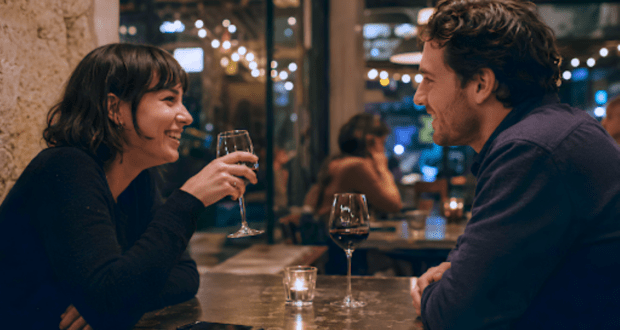

An Axios survey of college and graduate students found that 79% don’t use dating apps even once a month. Most of them said they’d rather meet a partner in person. Niche, community-driven platforms tell the same story from the other side. Those services recorded a 35% jump in engagement between 2022 and 2024 while the major apps flatlined.
A romance recession set in alongside the burnout. More than half of Gen Z now spend nothing on dating, and singles are walking back into bars, run clubs, and bookstores to meet people the way their parents did. The “Date Me” Google doc has become a small cultural artifact of the change, a long-form profile built for depth instead of swipe speed. Audiences want the real meet-cute and the slow burn again, with a little honesty up front.
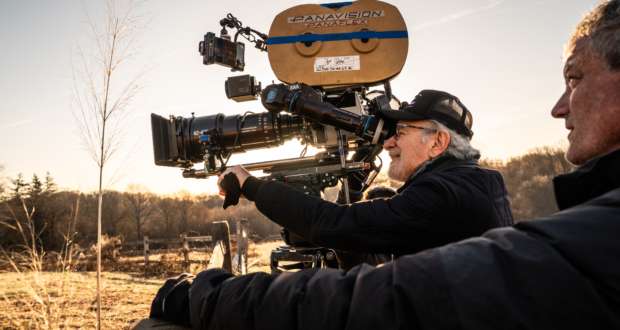
Producer and screenwriter Bennett Graebner spent 17 years as showrunner of The Bachelor franchise and produced more than 400 episodes of romance-driven television. He had a front-row seat to what authenticity looks like before an editor ever shapes it. That demand for the unedited version is now reshaping romance on screen as much as off it.
What Is Slow Dating, and Why Now?
Slow dating values intention and depth over swipe volume. It favors fewer matches and real-world meetings, with conversations that start before any algorithm gets involved. Downloads for the big apps have slid since 2019, even as the companies post record subscription revenue.
Hard numbers sit behind the shift. More than half of Gen Z aged 18 to 28 spend nothing on dating, a sign that cost and fatigue have pushed romance off the apps. Roughly 1.4 million people left dating apps in the UK between 2023 and 2024.
Dating started to feel like a numbers game rather than a search for a person. On the major platforms, the average opening message from men runs about 12 characters, while women’s run 120 or more. Many users, most of them women, end up sifting through low-effort outreach. Volume replaced signal, and the burnout followed.
Slow social habits show up in a few concrete behaviors:
- Offline-only dates that put the phone away in favor of face-to-face conversation
- Activity-based meetups built around an escape room or a run club, not a coffee interview
- Short video calls used as a vibe check before anyone commits to meeting
- No-profile platforms that drop the endless photo grid entirely
The Friction Feature
Friction used to be the thing the apps promised to kill. Swiping removed the risk of rejection, the awkward approach, the wait. Now singles treat that friction as the point, because the discomfort of meeting in person is where chemistry actually gets tested.
What Graebner Saw Before the Edit
Graebner spent his Bachelor years watching real people react in real time, with no script to fall back on. His job was reading who someone actually was, not who a producer wished they’d be. “That person who’s there in front of you, that’s who they are,” he has said about casting for authenticity.
His test for a scene never changed. “Everything for me starts with, what’s going to happen that’s going to make me and other people feel something?” Graebner has said of his approach. Slow dating runs on the same instinct. It trades manufactured sparks for the unpredictable kind.
Authenticity Before It Gets Produced
Contestants who showed up polished and camera-ready rarely connected with viewers. Those who revealed something genuine became the people audiences followed for a season. Slow dating is the offscreen version of that lesson. It rewards honesty over performance.
How the Shift Reaches the Screen
Demand offscreen tends to surface onscreen within a season or two. Friends-to-lovers slow burns are back in development. So are the years-long will-they-won’t-they arcs and the unglamorous, real-world meeting. Writers who spent a decade plotting around the swipe now have to plot around its absence.
People We Meet on Vacation, this year’s Emily Henry adaptation, spends most of its runtime on two friends who travel together for a decade before either admits anything. Audiences turned out for exactly that restraint. A slow burn needs characters specific enough to carry the wait. Chemistry has to come from who two people are, not from a premise that throws them together. That’s the same architecture Graebner used to build a season of television out of people instead of stunts.
Television is following the same pull. Reality dating has drifted toward quieter, observation-style shows, and scripted rooms are ordering friends-first romances that take their time. Both bets assume the audience will wait if the people are worth waiting for.
The catch is that a slow burn can’t be faked the way a cliffhanger can. A producer can manufacture a love triangle in the edit. Nobody can manufacture the slow accumulation of trust between two specific people, which is why the format puts the weight back on writing and casting. Those are the two places the swipe era quietly let standards slip. Graebner’s whole career is an argument that you can feel the difference on screen, even when you can’t name it.
Where the Slow Burn Goes Next
Dating apps aren’t disappearing, and neither is engineered drama. Both still serve a purpose. What’s changed is that audiences now hold a loud, measurable preference for the real version, and the studios that make romance are paying attention.
There’s a business logic under the mood shift. Apps made money on speed, on the next swipe and the paid boost to jump the line. Slow dating runs on the opposite currency, patience that pays off later, and streaming rewards exactly that. A show people trust gets finished and recommended. A show that rushes its payoff gets abandoned by episode three. That same math punishes a rushed romance plot as surely as a rushed romance app.
Studios that read this right won’t chase it with a gimmick. They’ll build specific people and let the slow burn earn its payoff, the way the best dating television always did. Anyone who skips that step will keep wondering why their love stories feel fake.
Bennett Graebner is working on original scripted material now, including a mid-budget romcom, after stepping back from The Bachelor. His rule from 17 years of dating television was simple: a real moment beats a manufactured one. That’s the same pull dragging singles off their phones, and it isn’t going back in the app.