
For a long time, hobbies were treated as optional. Something you got to if you had extra time, which most people didn’t. Work, responsibilities, and constant digital noise filled the gaps, leaving little room for anything that didn’t feel productive.
But something has shifted. More people are returning to hobbies, not because they suddenly have more free time, but because they’re realizing how much they need them. In a world that rarely slows down, hobbies offer something different. They create space to think, to relax, and to engage with something that doesn’t come with pressure or deadlines. Here are the reasons more people are returning to hobbies.
The Return of Hands-On Activities at Home
One of the clearest signs of this shift is the renewed interest in hands-on, screen-free activities. People are looking for ways to step away from constant notifications and reconnect with something tangible.
Puzzles, in particular, have seen a noticeable comeback. They offer a quiet, focused experience that feels different from the fast-paced nature of most digital entertainment. Having a dedicated setup makes it even easier to incorporate this kind of activity into daily life. Getting a puzzle station provides a practical way to keep projects organized without taking over shared spaces.
What makes this kind of setup appealing is its flexibility. You can work on something at your own pace, step away when needed, and return without losing progress. It removes the friction that often keeps people from starting in the first place.
Why People Are Craving a Break From Constant Stimulation
Modern life is filled with input. Between emails, social media, streaming platforms, and news, there’s always something competing for attention. While this can be entertaining, it can also be exhausting.
Hobbies offer a different kind of engagement. Instead of passive consumption, they require focus and participation. This shift from consuming to creating or engaging actively can feel surprisingly refreshing.
It’s not just about reducing screen time. It’s about giving your mind a different kind of experience. Something slower, more deliberate, and less reactive. This is one of the reasons hobbies are becoming more appealing. They provide a counterbalance to the pace of everyday life.
The Mental Health Benefits That Are Hard to Ignore
As conversations around mental health have become more common, people are paying closer attention to what actually helps them feel better. Hobbies are showing up in that conversation more often.
Engaging in an activity you enjoy can reduce stress, improve focus, and create a sense of accomplishment. These benefits don’t come from doing something perfectly. They come from simply showing up and participating.
There’s also something grounding about working with your hands or focusing on a specific task. It gives your mind a break from constant decision-making and allows you to settle into a more relaxed state.
Making Time for Hobbies Without Feeling Overwhelmed
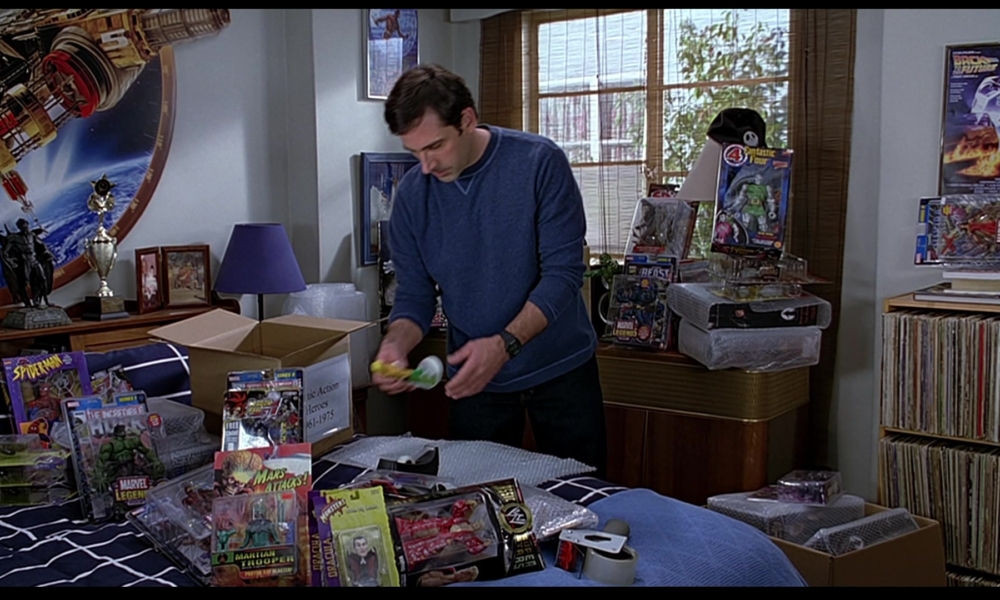
One of the biggest barriers to hobbies is the belief that they require large blocks of time. For many people, that’s simply not realistic. Some people love movies, and find out that they can have movie related hobbies. Others enjoy things like gardening or reading or hiking which all provide their own unique benefits.
The key is to rethink how hobbies fit into your day. They don’t need to be a separate, scheduled event. They can be integrated into smaller pockets of time.
This might mean spending fifteen minutes on a puzzle in the evening, sketching for a few minutes in the morning, or working on a project during a break. The goal isn’t to carve out hours at a time. It’s to create small opportunities for engagement that feel manageable.
How Your Environment Influences Your Habits
The way your home is set up has a direct impact on whether you engage in hobbies. If everything is stored away or requires significant effort to set up, it’s easy to put it off.
On the other hand, when your environment supports your interests, it becomes much easier to follow through. Having a dedicated space, even a small one, can make a significant difference.
This doesn’t require a full redesign. It might be a table that’s always ready for a project, a shelf with easily accessible materials, or a corner of a room that’s set aside for a specific activity.