
Breaking Down Fight Night Favourites and Underdogs
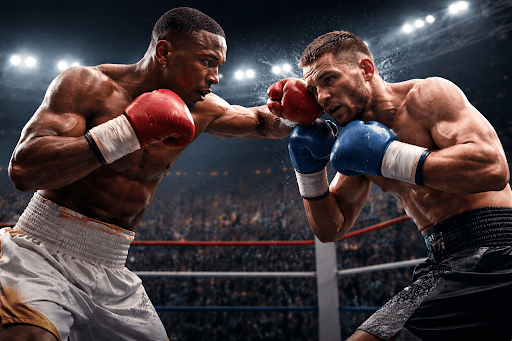
Every fight card looks neat when it first comes out. One name sits at the top, another is slotted underneath, and right away people start calling one the favourite and the other the underdog. It feels tidy, but it also rarely tells the full story.
In boxing and MMA, those labels are often shaped by reputation more than reality. A fighter who went viral for a knockout might get pushed ahead of someone who has quietly beaten better opponents. Another might be coming off a loss but actually be in the middle of their best training camp.
That is why some of the most interesting fights on any card are the ones that look the most straightforward. Once you start peeling back the layers, you often find that the so called underdog is not nearly as far behind as the odds suggest.
What Makes Someone a Favourite or an Underdog
Most people assume the favourite is just the better fighter. Sometimes that is true. A champion with a long win streak usually deserves that label. But a lot of the time, it comes from how a fighter is positioned rather than what they have done lately.
Promoters know how to build momentum. If someone has a marketable style or a big personality, they will get more exposure. That pushes public opinion in their direction. A few wins on televised cards can do more for a fighter’s image than years of tough bouts on smaller shows.
Underdogs often come from the opposite path. They might have spent years fighting away from the cameras, taking on hard matchups that did not boost their profile. By the time they get a chance on a bigger stage, they are already seasoned, but most fans have not seen that work.
Style also plays a big part. A powerful puncher will always look dangerous on paper. A technical counter fighter might not look as exciting, even if their style is exactly what causes the puncher problems. That mismatch between what looks good and what actually works is where a lot of surprises are born.
How Numbers and Research Shape the Picture
Once a fight is announced, the numbers start moving almost straight away. Those figures reflect how people are reacting to footage, injury news, interviews, and training camp updates.
Some fans follow that movement closely. Fans also consult many independent UK bookie reviews to see how different platforms are rating the same fight and whether one side is being pushed harder than the other. When several sources land on a similar price, it usually means the matchup is genuinely competitive.
Looking across multiple sites can also highlight when hype has taken over. A fighter who is popular on social media might be priced as if they are unbeatable, even when their recent form says otherwise. Reviews and comparisons help cut through that noise.
Reading Between the Lines Before Fight Night
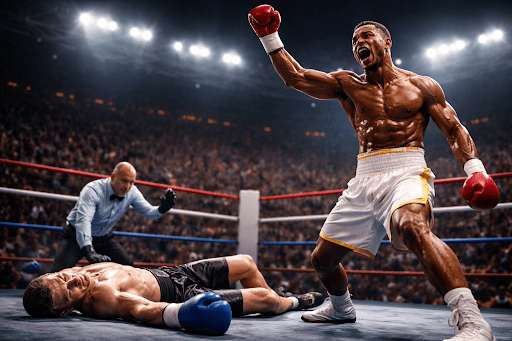
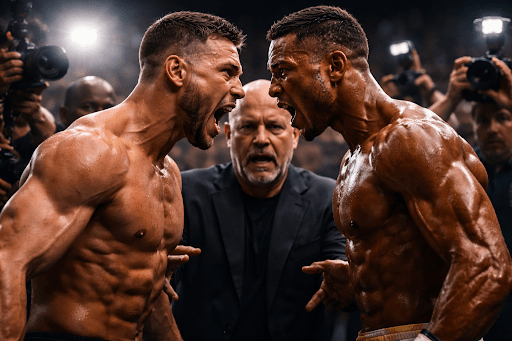
The build-up to a fight is full of distractions. Trash talk, flashy training clips, and staged staredowns all create a story that feels bigger than the bout itself. None of that throws a punch once the bell rings.
What matters more is what happens behind the scenes. A late change of coach can completely reshape how a fighter approaches a bout. Moving up or down in weight often changes cardio, speed, and power in ways that are hard to predict.
Then there are the quiet details. Fighters do not always talk about injuries, but they happen in every camp. A sore shoulder might mean fewer power shots. A bad knee might stop someone from shooting takedowns. These things do not make headlines, yet they change everything.
Why Some Underdogs Are More Dangerous Than They Appear
Being labelled the underdog does not mean a fighter lacks ability. Often it just means fewer people have paid attention to them. Many have built their skills in tough gyms, facing sparring partners who would be favourites on most cards.
There is also freedom in being overlooked. Underdogs do not carry the same pressure. They can take chances, try unusual tactics, and push the pace without worrying about protecting a reputation. Favourites, on the other hand, often fight not to lose.
Styles are where this really shows. A relentless grappler can make life miserable for a striker who has not faced that kind of pressure. A slick mover can turn a heavy hitter into a frustrated chaser. When those styles clash, the gap between favourite and underdog can close very quickly.
How Fans Can Form Better Opinions
Watching a few highlight clips is not enough. Full fights tell you far more about how someone reacts when things go wrong. Does the favourite keep their composure after being rocked? Does the underdog fade when the pace picks up?
Looking at who a fighter has beaten matters too. Ten wins over weak opposition do not mean the same as a few wins against tough, durable names. Context gives those records meaning.
Many fans also track habits. Some fighters start fast and slow down. Others grow stronger as rounds pass. These patterns do not guarantee results, but they help paint a clearer picture.
Blending that kind of research with information from review and comparison sites gives you more than just a surface level view. It turns a simple pick into a considered opinion.
Bias and the Stories We Tell Ourselves
Every fan has favourites. That is part of the sport. But loyalty and media hype can cloud judgement. A big name with a charismatic personality might feel like the safe choice, even when the matchup is awkward.
Underdogs live off that imbalance. They slip into fights with less scrutiny, while all eyes are on the other side. When they start having success, the whole narrative shifts.
That is why upset wins feel so powerful. They cut through the story we have been told and remind us that fighting is unpredictable, no matter how confident people feel beforehand.
Why This Dynamic Keeps Fight Nights Interesting
Favourites and underdogs give every card its tension. They create expectations, and then the fighters either meet them or tear them apart.
When you look past the labels, you start to see the sport for what it really is. A contest between two people who have trained for months, carrying their own strengths, weaknesses, and hidden stories into the ring.
That is what makes breaking down these matchups so satisfying. It is not just about who is meant to win. It is about understanding why, and what might happen when the plan meets reality.