In Mongolia, horse racing is not just a spectacle, but part of the cultural code. From the 25–30 kilometer Naadam races, where three hundred or more horses take to the start, to the fast sprints on the grass in Hong Kong, every finish is watched here. Today, this excitement is not limited to the steppes: the world starts in Japan, Australia, Europe, and the USA are literally a couple of clicks away. Tracks, statistics, odds — in this article, we will analyze how all this turns into a tool for successful gambling.
Understanding Horse Racing on Melbet
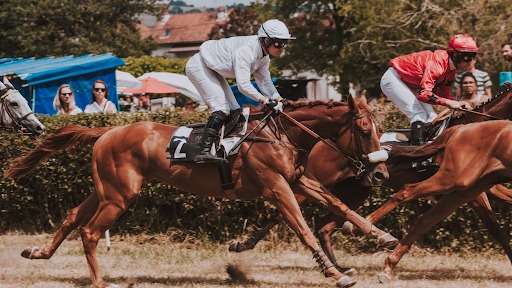
Horse racing is a combination of strength, endurance, and careful selection, where every second on the track is the result of months of training and work with the breed. On MelBet Mongolia, you can find lines for a variety of world starts: from the iconic Japan Cup in Tokyo with a length of 2000 meters to the lightning-fast 1200-meter sprint in Sha Tin, where the winners often show a time of less than a minute and nine seconds.
Mongolia is seeing an increasing number of fans turn to races from Japan and Hong Kong. Local bookmakers report that, in just the last three years, the total amount wagered on these Asian events shot up by 42%. It’s easy to see why: purses in these circuits regularly top $1.5 million, and top global horses and riders always show up. Our platform lets you dive deep into the official form guides, watch the live odds shift race by race, and place your bets in tugriks—so you never lose a cent on currency conversions.
Types of Races and Betting Options
Horse racing isn’t just one type of event; it’s a whole lineup of formats, each running to its own rhythm, strategy, and betting style. For you as a bettor, this means your options go way beyond what you see on the surface, and each format you pick creates its own path to profit:
- Flat racing — pure speed over a fixed distance. In Mongolia, marathon races on the steppe predominate at Naadam, but abroad, there are sprints of only 1000 meters, where fractions of a second decide.
- Highway racing (National Hunt) — barriers, bars, water ditches. A classic of British tracks, and the “Grand National” annually attracts an audience of more than half a billion people.
- Harness racing — a horse races carrying a jockey in a light carriage. In Australia, the average prize fund starts from 6,000 Australian dollars and reaches 50,000 Australian dollars.
- Weight by age — equalizing the conditions when, for example, a three-year-old carries 54 kg, and a five-year-old — 58 kg at the same distance.
Understanding these categories helps to decide more accurately what to bet on — an explosive sprint, a verified tactical race, or a long distance for endurance.
How to Read Race Cards and Odds
The race program is more than just names; it’s a smart bettor’s road map. On any Melbet card, you find the horse’s whole story: recent finishes, how far it’s run, margin gaps, starting number, jockey and trainer records, and the ground it prefers. If, for instance, a horse has crossed the line in the top three on turf between 1200 and 1400 meters four times in the last five runs, that’s a clear, hard-to-miss sign.
You’ll see the odds in decimal form, which makes it easy to understand the payout. Say the odds are 5.00: a 10,000-MNT wager would return 50,000 MNT in profits, plus your stake back. Keep an eye on how the odds shift before the race. If a horse’s line slips from 6.00 to 4.50, it means a flood of money is pushing behind it. This might come from a tip few know, or it might be the track’s surface suddenly turning for the better or worse.
Strategies for Placing Smart Wagers
Smart bettors don’t choose a horse on a whim—there’s serious homework behind every wager. The first thing they weigh is the track condition. During the Tokyo autumn series in 2024, horses that had already secured a victory on soft ground won 21% more races than their rivals. That’s no fluke; it’s the knack for coping with a changing surface, which alters speed and running style.
Just as critical is the jockey-trainer duo. Look to Hong Kong: in 2023, the pairing of Joao Moreira and Caspar Fownes clicked more than 24% of the time, while random combos limped along at 9% to 12%. Throw in seasonal patterns, the quirks of the horse, and shifting odds, and you create a lasting edge that pays off not just once but across a whole run of races.
Common Mistakes to Avoid in Horse Racing Betting
Even the most confident players sometimes stumble. Mistakes creep up on you unnoticed — they disguise themselves as “logical” steps, but ultimately cut your bankroll and undermine your confidence. To avoid falling into the same traps, it’s worth remembering the most common blunders:
- Ignoring the weather and surface — A downpour a couple of hours before the start turns the smooth turf into a viscous swamp. A horse flying on a dry track easily loses seconds and positions in such conditions.
- No analysis of form — Looking only at the last victory is dangerous. Much more important is the chain of recent finishes, where you can see how the horse keeps the distance and copes with the load.
- Chasing a win — A sharp increase in bets after a loss often ends with the entire budget disappearing. Emotion and calculation do not get along in the same bag.
- Blind faith in favorites — Even at the top level, in the same Australian Group 1, the leaders win about a third of the time. The rest of the time, someone else wins.
- Neglect of “valuable” odds — Bets on mid-table teams from 6.00–10.00 in the long run can give more than constant play on short bets.
All these miscalculations have one thing in common — they are easy to underestimate. But it is precisely attention to such details that distinguishes a systematic player from someone who relies on chance.
Managing Your Bankroll for Long-Term Play
Discipline is what keeps bettors in the game:
| Bankroll Rule | Description |
| Set a Budget | Fix a monthly limit in MNT based on disposable income. |
| Use Unit Stakes | Bet only 1–3% of your bankroll per race. |
| Track All Bets | Record stake, odds, and result to find profitable patterns. |
| Avoid All-in Bets | Keep at least 70% of funds untouched at all times. |
Crossing the Finish Line with Confidence and Joy
Each race tells its own tale, and each wager is a mindful decision. When we blend facts, a solid plan, and a sprinkle of bravery, the racetrack transforms from mere show into a stage where knowledge and judgment deliver true joy. The thunder of pounding hooves, the dash toward the finish, and the split-second that tips the scale—here is where talent collides with luck. Maybe the very next race will be the one that turns everything around!