
How AI Is Changing Visual Effects in Hollywood
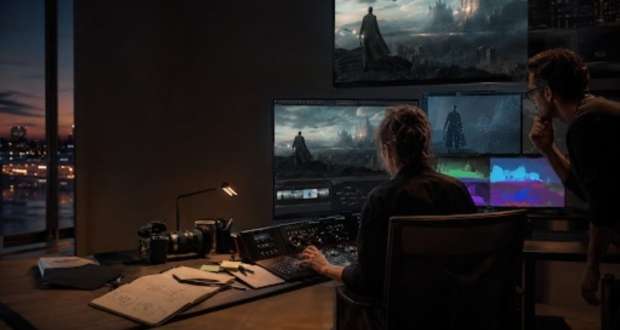
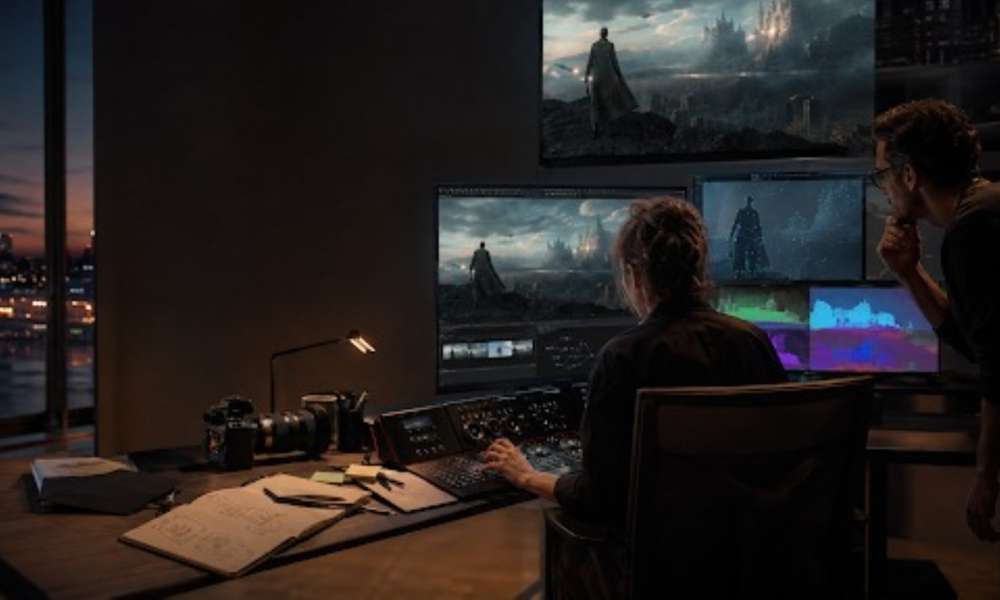
AI is entering Hollywood from the unglamorous end of the shot. Adobe Premiere can now generate extra frames at the beginning or end of footage, Autodesk Flame uses machine learning to isolate bodies and skies, and DaVinci Resolve 21 expands its Neural Engine across editing, image and audio tasks. None of that amounts to pressing a button and receiving a finished effects sequence. The more immediate change is economic: artists can spend fewer hours creating first-pass mattes, searching footage or repairing a troublesome edit and more time judging whether the shot actually works.
The Boring Frames Are Where AI Earns Its Keep
Rotoscoping remains one of the clearest examples. Flame’s semantic keyers can separate human bodies, heads, facial features, skies and other objects, while its AI-assisted tools can morph frames to repair difficult jump cuts. Adobe’s Generative Extend solves a different problem by adding a few missing frames when an editor needs to hold a reaction or smooth a transition. The limitation matters: Adobe currently generates extensions in 8-bit SDR, does not extend spoken dialogue, excludes clips containing music, and still lists restrictions around interchange and several professional workflows.
Dune Turned a Thousand Blue Eyes Into a Test Case
Dune: Part Two is a better real-world example than any software demo. According to Foundry, Nuke’s CopyCat machine-learning tool was trained on artist-made assets to help recreate the Fremen’s blue eyes across about 1,000 shots. Around 40% of those shots didn’t need any extra cleanup, and the ones that did could be used again to improve the model. In practice, that cut out thousands of hours of rotoscoping work without taking compositors out of the process. The film even went on to win the 2025 Oscar for Best Visual Effects, which is a good reminder that automation and careful human work can sit comfortably in the same frame.
Real-Time Screens Have Raised the Audience’s Expectations
Sports broadcasts now layer tracking graphics, score data and animated overlays over a live event. Digital products compress similarly fast-moving information onto a phone. A football viewer switching to MelBet during a match can follow in-play markets as odds respond to the score and match state, alongside the platform’s pre-match line and account tools. That is not Hollywood VFX, but it explains why clarity, latency and visual hierarchy increasingly matter outside a finished theatrical frame as well; in betting, a moving price remains a probability-based market rather than any promise of a return.
Digital Replicas Now Arrive With Contract Language
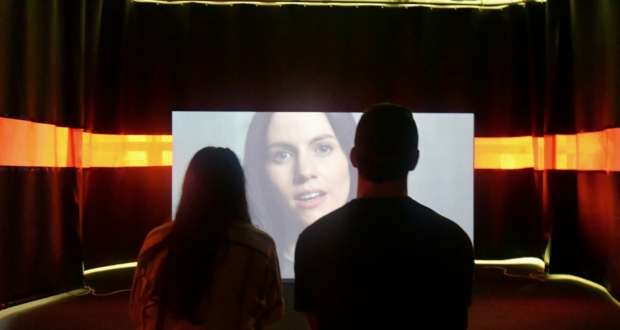
The most sensitive AI filmmaking question is no longer whether a synthetic face is technically possible. SAG-AFTRA’s 2026 TV/Theatrical Agreement adds stricter rules around digital replicas and synthetics, covering areas from biometric information and scan justification to strike protections and replica security. Employers must now have an articulable business reason for scanning a performer, while the agreement further restricts the use of synthetic performers in work that would otherwise involve human performance. That places consent and labor terms inside the production decision before a digital double reaches the compositing stage.
Small Screens Expose Effects That Look Fine in the Suite
A shot approved on a calibrated reference monitor may later appear on a phone where dark detail, tiny graphics, and subtle edge work have far less room to survive. AI-assisted versioning makes alternate deliverables easier to prepare, but someone still has to judge the result on the device where it will actually be seen. A sports viewer opening the MelBet apk encounters live markets, event information, and account functions inside that same constrained mobile space, where a cluttered visual hierarchy becomes obvious quickly. For post-production teams, the parallel is practical rather than technological: faster tools increase the number of versions that can be made, not the number that deserve approval.
The Artist Moves From Extraction to Judgment
Right now, the best AI tools in VFX feel less like a replacement and more like extra hands in a very traditional pipeline. In Premiere you can stretch shots or fill small gaps, Resolve 21 quietly chews through repetitive media and audio cleanup, and Flame can get you rough isolations that used to take hours of roto work. But none of it is really “push-button” yet: Adobe still draws a hard line around things like serious color work, dialogue-heavy fixes, and final delivery, and even Foundry’s Dune demo leaned heavily on artists feeding it curated frames and constantly cleaning up what the model got wrong. AI visual work is therefore shifting labor rather than abolishing it: the scarce skill moves from drawing every matte toward supervising provenance, continuity, performance, and the moment when a machine-made result should simply be rejected.