
Roughly 40.3 percent of American adults were living with obesity between August 2021 and August 2023, according to the CDC’s National Center for Health Statistics, and nearly one in ten met the threshold for severe obesity. Those figures explain why GLP-1 receptor agonist medications have moved from endocrinology clinics to dinner-table conversation in only a few years. But the size of the potential patient population has raised a question that clinicians, insurers, and health systems are now grappling with in earnest: who actually qualifies for GLP-1 weight loss treatment, and how should that determination be made?
The answer is less straightforward than a single number on a scale. Eligibility is a clinical judgment built from body mass index thresholds described in regulatory labeling, the presence or absence of weight-related health conditions, a screen for contraindications, and an assessment of whether medication fits a patient’s broader health picture. Understanding how that screening process works has become essential reading for anyone weighing whether these medications may be an appropriate option.
A Vast Eligible Population, a Narrow Treated One
The scale of theoretical eligibility is striking. A study published in JAMA Cardiology and reported by Fierce Healthcare estimated that approximately 137 million U.S. adults, more than half of the adult population, could be eligible for semaglutide across its approved uses in weight management, diabetes care, and cardiovascular risk reduction. The same body of research found that roughly 93 million adults, about 38 percent of the U.S. adult population, would have fit the eligibility criteria used in the pivotal STEP 1 weight-loss trial.
Actual uptake tells a different story. KFF polling conducted in late 2025 found that about 12 percent of U.S. adults said they were currently taking a GLP-1 medication, with 18 percent reporting they had taken one at some point. Gallup’s 2026 tracking shows a similar trajectory: 11 percent of American adults reported currently using a GLP-1 medication for weight loss purposes, up sharply from 3 percent in 2024.
The gap between the eligible population and the treated one is shaped by cost, insurance coverage, supply, and personal preference. But it is also shaped by something more fundamental: the clinical screening that stands between interest in these medications and an actual prescription. That screening exists for good reason, and it is worth understanding in detail.
BMI Thresholds: What the Guidelines Actually Say
The starting point in most eligibility conversations is body mass index. FDA labeling for GLP-1 medications approved for chronic weight management, along with major clinical guidelines, generally describes candidates as adults with a BMI of 30 or higher, or a BMI of 27 or higher when accompanied by at least one weight-related health condition such as high blood pressure, type 2 diabetes, or abnormal cholesterol levels.
Two points about these thresholds deserve emphasis. First, they are guideline criteria, not entitlements. Meeting a BMI cutoff makes a patient a potential candidate for evaluation; it does not by itself establish that medication is appropriate. Licensed clinicians weigh BMI alongside medical history, current medications, prior weight-management efforts, and individual risk factors before reaching a prescribing decision.
Second, BMI itself is an imperfect instrument, and clinical bodies increasingly say so. Professional societies have noted that BMI does not distinguish muscle from fat mass, may misclassify some individuals, and can perform differently across ethnic groups. Many clinicians therefore use BMI as a screening entry point rather than a verdict, supplementing it with waist circumference, metabolic laboratory values, and a fuller assessment of health status. Patients evaluating their own eligibility should treat published BMI thresholds the same way: as the beginning of a clinical conversation, not the end of one.
Comorbidities: Why the Same BMI Can Mean Different Answers
The lower BMI threshold described in labeling, 27 with a weight-related condition, reflects a core principle of obesity medicine: the health consequences of excess weight matter as much as the weight itself. Two people with identical BMI readings can present very different clinical pictures.
Weight-related conditions that commonly factor into eligibility discussions include type 2 diabetes and prediabetes, hypertension, dyslipidemia, obstructive sleep apnea, cardiovascular disease, and fatty liver disease. For patients carrying one or more of these conditions, clinicians may view weight management medication as addressing not just weight but a cluster of interrelated metabolic risks. The eligibility study reported by Fierce Healthcare underscores how large this overlap is: the semaglutide-eligible population it identified included tens of millions of adults covered by Medicare and Medicaid, many of whom qualify through diabetes or cardiovascular indications rather than weight criteria alone.
Comorbidities can also cut the other way. Certain conditions may make GLP-1 medications less suitable, may require closer monitoring, or may shift the risk-benefit calculation entirely. That is why a thorough intake asks about far more than the conditions that support eligibility; it probes for the ones that complicate it.
Contraindication Screening: The Questions That Matter Most
The less-discussed half of eligibility is exclusion. Prescribing information for GLP-1 receptor agonists describes several circumstances in which these medications should not be used or should be approached with caution, and a responsible screening process is designed to surface every one of them.
Personal and family history
Prescribing information for this medication class warns against use in patients with a personal or family history of medullary thyroid carcinoma, a rare form of thyroid cancer, or the genetic condition multiple endocrine neoplasia syndrome type 2. A patient may not think to volunteer a relative’s decades-old diagnosis, which is why structured intake questionnaires ask about it directly rather than relying on open-ended conversation.
Gastrointestinal and pancreatic history
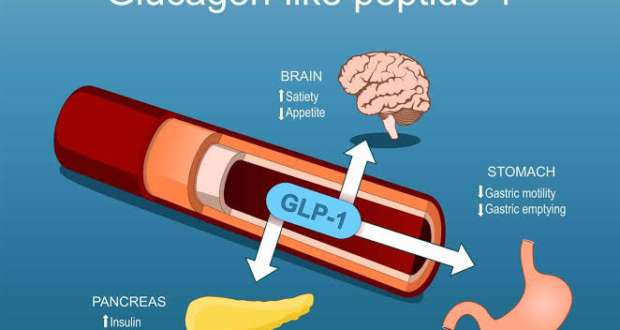
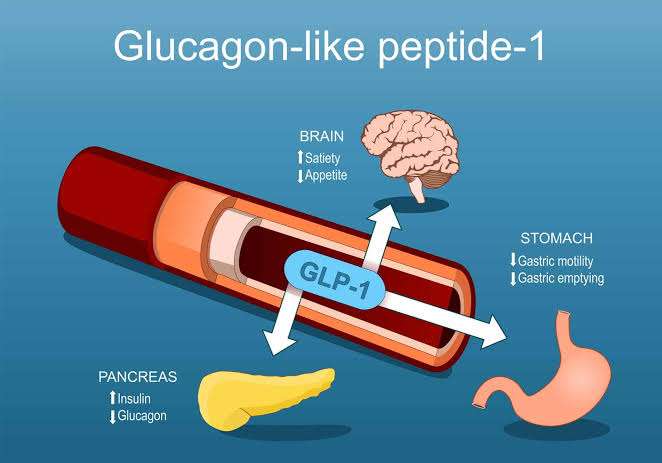
Because GLP-1 medications slow gastric emptying and act on the digestive system, clinicians typically screen for a history of pancreatitis, gallbladder disease, and significant gastrointestinal disorders. A history of these conditions does not automatically end the conversation, but it may change the calculus, prompt additional evaluation, or lead a clinician toward a different approach.
Pregnancy and reproductive plans
Labeling advises against use during pregnancy, and clinicians generally discuss contraception and family planning with patients of childbearing potential before prescribing. Screening protocols commonly ask about current pregnancy, breastfeeding, and near-term plans to conceive.
Medication interactions and eating history
A complete intake also inventories current medications, since GLP-1 agents can interact with other diabetes medications and can affect the absorption timing of some oral drugs. Increasingly, thorough programs also screen for a history of eating disorders, recognizing that appetite-suppressing medication may be inappropriate for patients with active or past disordered eating without specialist involvement.
The pattern across all of these categories is the same: the questions that determine safe candidacy are specific, sometimes uncomfortable, and easy to miss in a rushed consultation. The quality of a screening process can be measured by how systematically it asks them.
How Structured Intake Works in Practice
The rise of telehealth has moved much of this screening online, and the field’s better operators have responded by building intake processes that are more structured, not less, than a traditional office visit. The TrimRx weight loss program illustrates the model: patients complete a detailed health assessment covering medical history, current conditions, and medications before any prescribing decision is considered, and a licensed provider then reviews that information to evaluate whether medication-supported weight management may be appropriate for that individual. TrimRx positions its programs as personalized and medically supervised, an approach that reflects where clinical consensus has landed: eligibility is individual, and supervision should continue past the initial prescription.
Structured intake of this kind serves three functions. It standardizes the contraindication screen, so the medullary thyroid carcinoma question gets asked every time rather than most of the time. It creates a documented baseline against which a clinician can monitor progress and side effects. And it forces the eligibility decision through a licensed professional’s judgment rather than a checkbox algorithm, which matters because edge cases, the patient with a borderline BMI, an ambiguous family history, or a complicated medication list, are precisely where clinical training earns its keep.
Patients can use the shape of an intake process as a quality signal. An evaluation that asks detailed questions about family history, prior conditions, and current medications, and that puts a licensed clinician’s review between the questionnaire and the prescription, reflects the standard that professional guidelines describe. An evaluation that seems designed to say yes quickly does not.
What Comes Next for Eligibility
The eligibility landscape is unlikely to sit still. Several forces are actively reshaping who qualifies and how screening happens.
Indication expansion is the most consequential. Regulators have already extended GLP-1 approvals beyond weight and glucose management into cardiovascular risk reduction and sleep apnea, and ongoing trials are examining kidney disease, liver disease, and other conditions. Each new indication redraws the eligibility map, often qualifying patients through a comorbidity pathway rather than a BMI one.
Coverage policy is the second force. With studies placing the eligible population above 100 million adults, insurers and government programs face difficult arithmetic, and many are responding with their own eligibility layers: prior authorization requirements, documented participation in lifestyle programs, or step-therapy rules that sit on top of clinical criteria. For many patients, the practical answer to “do I qualify” now depends as much on their coverage as on their chart.
Finally, the clinical conversation around BMI itself is evolving. Professional commissions have proposed frameworks that define obesity by evidence of excess adiposity and its health effects rather than by BMI alone. If those frameworks gain traction in labeling and guidelines, tomorrow’s screening may lean more heavily on metabolic markers, body composition, and functional measures, making thorough clinical intake more central to eligibility, not less.
Eligibility Is a Process, Not a Number
The data tells a story of extraordinary demand meeting deliberate gatekeeping. Four in ten American adults live with obesity, studies suggest more than half of adults could be eligible for GLP-1 therapy under some approved indication, and yet only around one in eight currently takes one of these medications. Some of that gap reflects cost and access barriers that policymakers are still working through. But some of it reflects the screening process functioning as designed: filtering a vast interested population down to the individuals for whom medication-supported weight management may be clinically appropriate and safe.
For prospective patients, the practical takeaways are straightforward. Published BMI thresholds indicate who may be a candidate for evaluation, not who will or should receive a prescription. Weight-related health conditions can support eligibility at lower BMI levels, while personal and family medical history can rule it out at any level. And the reliability of an eligibility answer depends on the thoroughness of the questions asked to produce it. Anyone considering GLP-1 medication should seek an evaluation from a licensed healthcare provider who takes a complete history, and should treat any process that skips that step as a warning sign rather than a convenience.