
YouTube has removed two popular channels that made AI movie trailers that fooled viewers. The decision shows how the platform protects its audience from misleading content.
Why YouTube acted against AI movie trailers
YouTube’s policies forbid spam and misleading metadata. When the two channels kept breaking these rules, the platform chose to end them. This move follows a broader effort to enforce the YouTube AI policy and keep search results honest.
The channels that were removed
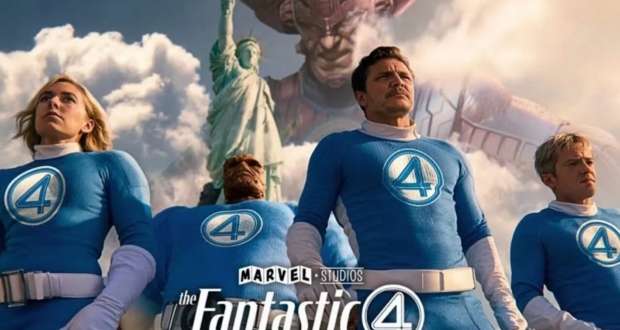
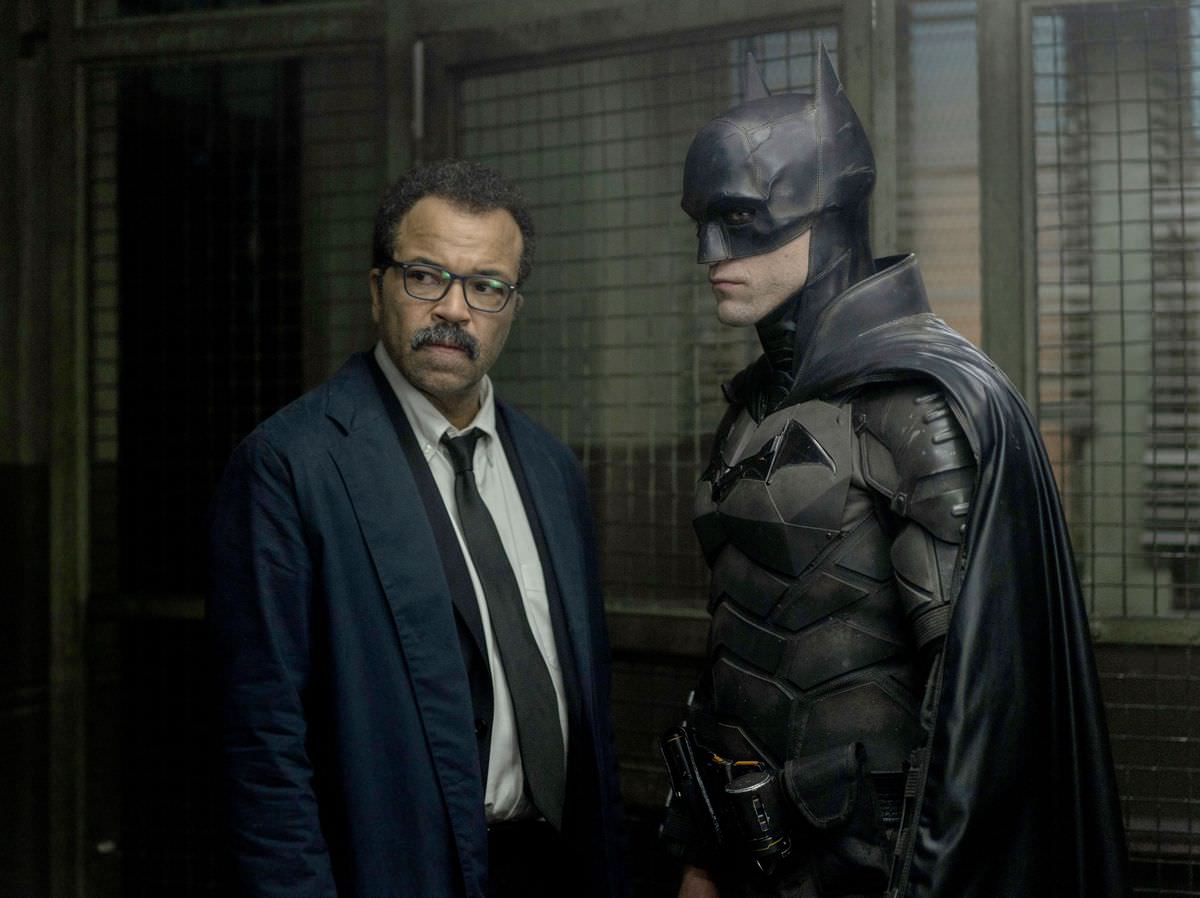
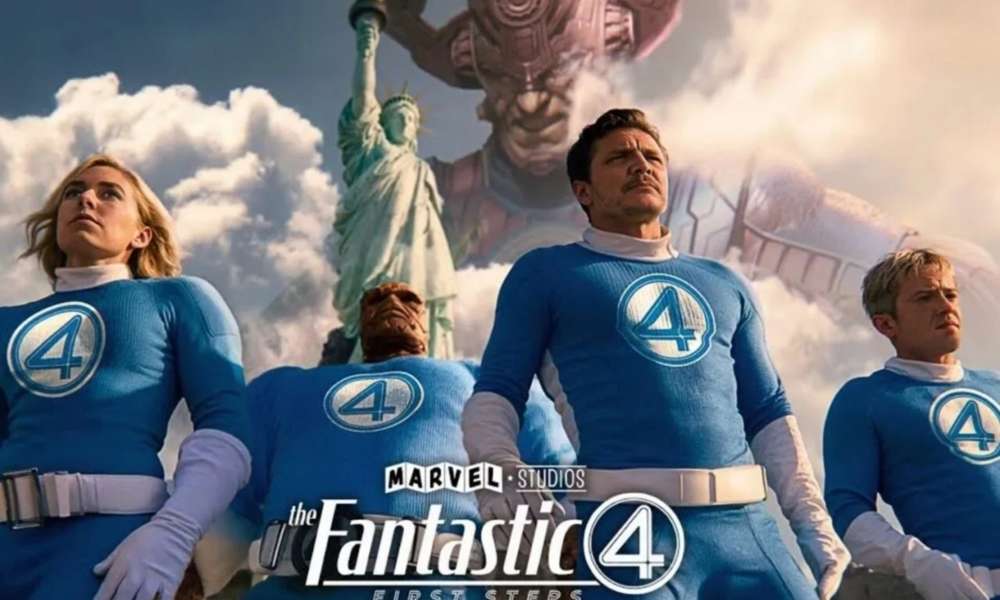
One channel, Screen Culture, operated out of India. The other, KH Studio, was based in Georgia. Both channels earned over a billion views and attracted more than two million subscribers. They posted teasers and trailers that looked like official movie promotions.
Many of their videos appeared higher in YouTube search than the real trailers. Viewers clicked the AI generated clips, thinking they were official releases. This caused confusion and hurt the reputation of legitimate studios.
The violation process
First, YouTube warned the channels for using spammy titles and tags. The creators fixed the issues and rejoined the YouTube Partner Program. After they started earning money again, they returned to the same tactics. This repeated breach forced YouTube to enforce an AI movie trailer ban on the two accounts.
A YouTube spokesperson told The Wrap that the platform could not allow channels to repeatedly break the spam and misleading metadata rules. The spokesperson said, “After their initial suspension, these channels made the necessary corrections in order to be readmitted into the YouTube Partner Program. However, once monetizing again, they reverted to clear violations of our spam and misleading metadata policies, and as a result, they have been terminated from the platform.”
Impact on the wider creator community
Google recently took down dozens of AI generated videos that featured Disney characters after the studio sent a cease‑and‑desist letter. That action, combined with the recent AI movie trailer ban, signals a stricter stance on AI generated video removal.
Creators now must ensure their titles, thumbnails, and descriptions accurately reflect the content. They also need to avoid using AI to mimic copyrighted material without permission. Failure to comply can lead to channel termination, loss of revenue, and removal of all uploaded videos.
What viewers can expect
Viewers will see fewer fake trailers in search results. YouTube’s algorithm will prioritize official studio releases and verified creator content. This change should reduce the chances of accidental clicks on misleading AI generated videos.
Overall, the platform aims to protect both creators and audiences. By enforcing the AI movie trailer ban, YouTube hopes to keep its ecosystem trustworthy and safe.
Source: Dark Horizons