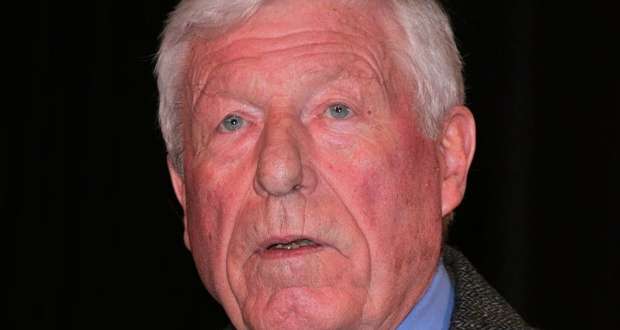
John Woodvine was born on July 21 1929 in the coastal town of South Shields. He grew up with a love for drama and pursued his dream at the Royal Academy of Dramatic Art in London. He graduated in 1953 and quickly began auditioning for stage roles.
Rise in Theatre
After leaving drama school, Woodvine joined the Old Vic and the Royal Shakespeare Company. He appeared in more than seventy productions for these companies. He played leading parts in classic plays such as The Taming of the Shrew, As You Like It, Henry IV, Julius Caesar, Othello, Romeo and Juliet and The Life and Adventures of Nicholas Nickleby. His dedication earned him respect from directors and fellow actors.
Notable Stage Roles
In 1987 Woodvine earned an Olivier award for Best Comedy Performance. He won the prize for his portrayal of Sir John Falstaff in the Old Vic production of The Henrys. The award highlighted his skill at blending humor with depth.
Awards and Honors
Beyond the Olivier award, Woodvine received many commendations for his work on the British stage. He performed on Broadway in productions such as King Richard II and Troilus and Cressida. Audiences praised his powerful voice and his ability to bring Shakespearean characters to life.
Television and Film Work
Woodvine also built a solid television career. He appeared in the 1981 film An American Werewolf in London as Dr Hirsch. He later played the Archbishop of York in four episodes of Netflix’s The Crown. His television credits include Z Cars, New Scotland Yard, Doctor Who, Miss Potter, Vanity Fair and Coronation Street.
Legacy
John Woodvine passed away peacefully on a Monday morning at his home. His agent Phil Belfield confirmed the news on Instagram. The statement described Woodvine as a wonderful and well loved actor who will be much missed. He leaves behind his wife Lynn Farleigh, who is also an actress, and his two daughters Mary and Emma.
Woodvine’s career spanned more than six decades. He inspired younger actors with his professionalism and his love for the craft. Fans remember his warm presence on stage and his memorable performances on screen.
His death marks the end of an era for British theatre. Yet his work continues to influence the next generation of performers.
Source: The Wrap