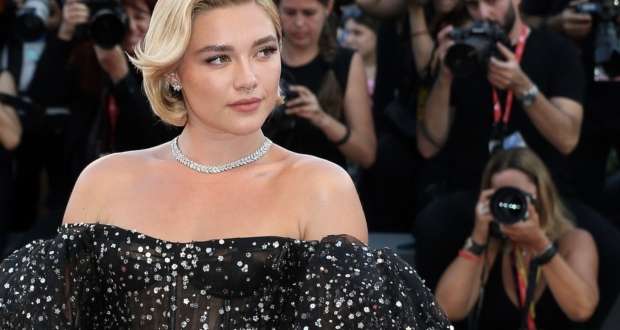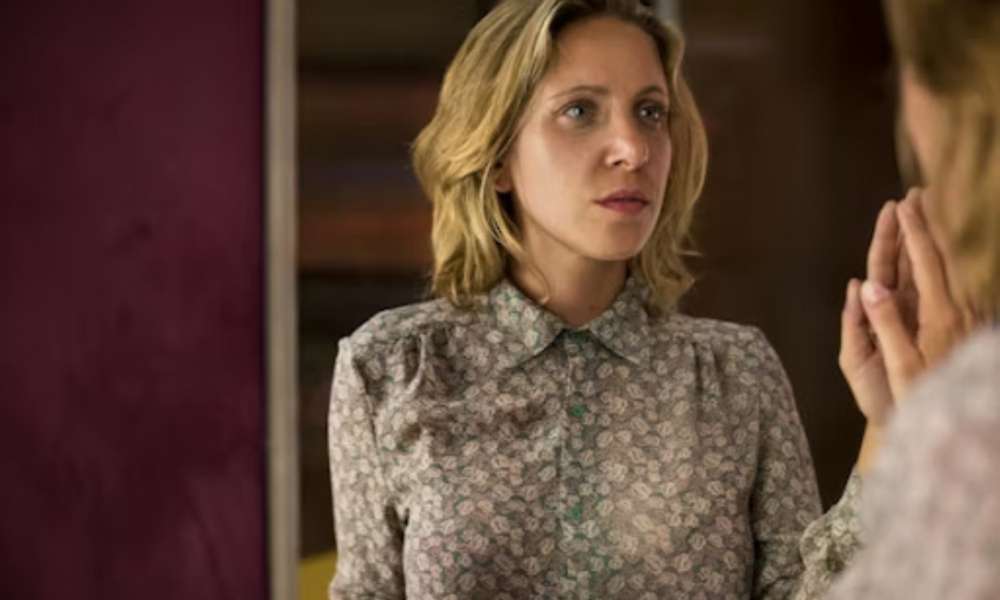

The silver screen has given us countless memorable characters, but few resonate as deeply as the on-screen mother. From fiercely protective matriarchs in family dramas to impeccably dressed society mothers in romantic comedies, cinema has spent decades defining what maternal elegance looks like — and audiences have been taking notes ever since. These characters do more than drive a plot forward. Through wardrobe, posture, and presence, they establish an ideal of motherhood that is simultaneously powerful and graceful, commanding and warm. For anyone who has ever helped their own mother choose an outfit for a wedding, a graduation, or a milestone celebration, the influence of these iconic screen mothers is more personal than you might think.
The Society Mother: Polished, Poised, and Perfectly Tailored
Romantic comedies and family dramas have long featured a specific archetype: the society mother who appears at a pivotal moment dressed in something so perfectly considered that she immediately shifts the energy of a scene. These characters typically favor structured silhouettes — tailored sheaths, elegant A-lines, and refined column shapes in rich, muted tones. Their wardrobes communicate control, taste, and a quiet expectation of excellence.
What makes these characters so influential is how their clothing reinforces their narrative authority. A mother who arrives at her daughter’s engagement party in a perfectly fitted slate-blue dress is not just dressed well — she is signaling approval, composure, and readiness for the occasion. Costume designers understand that for the mother character, the outfit must convey that she has given this moment as much thought as anyone else in the room. Moreover, these screen mothers rarely wear anything flashy or trend-driven. Their power comes from timelessness — a lesson that translates directly into real-life occasion dressing.
The Protective Matriarch: Strength Through Simplicity
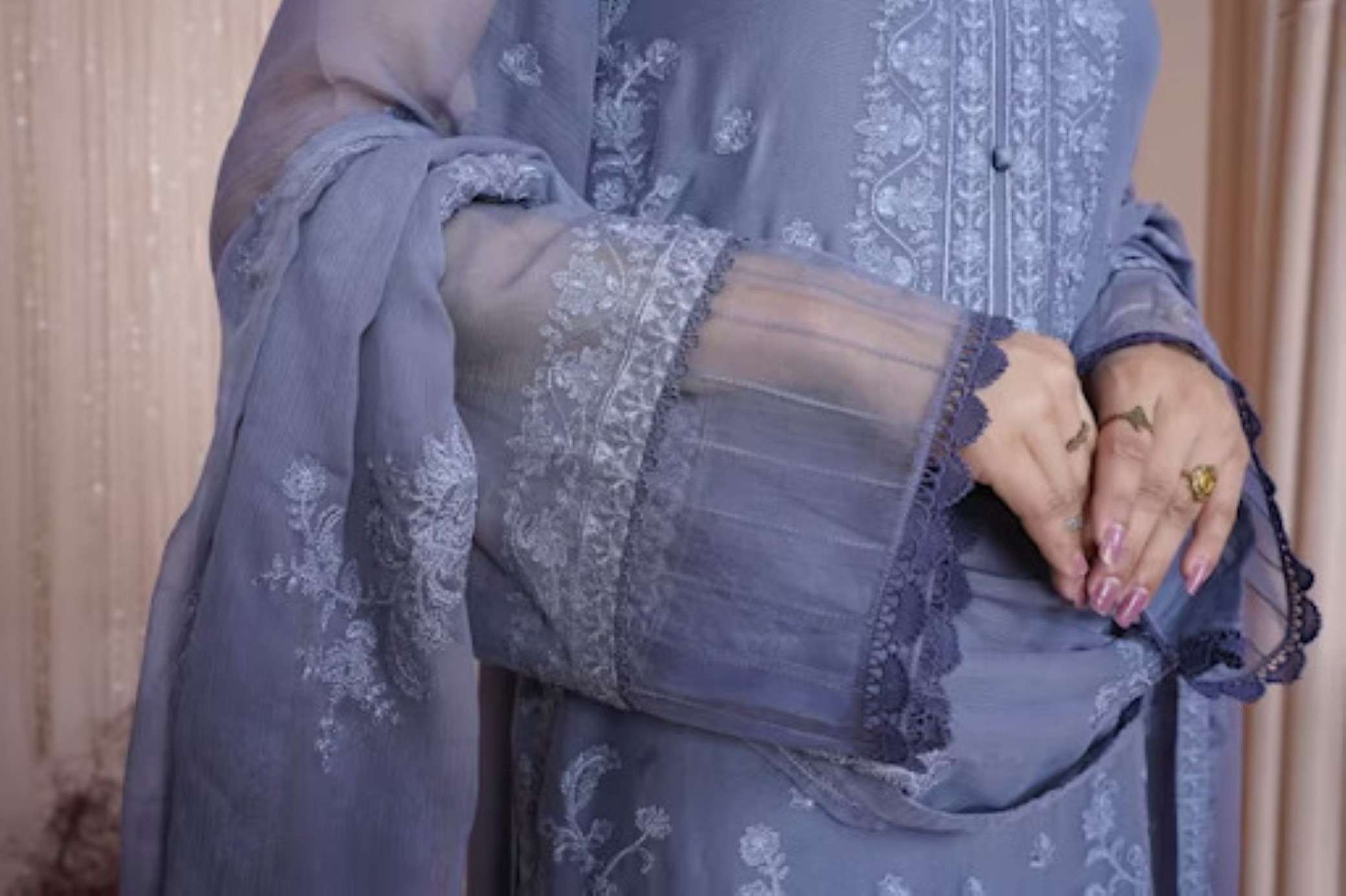
On the other end of the spectrum, cinema has given us unforgettable mothers whose strength is communicated through understated simplicity. In family dramas and coming-of-age films, the mother figure often wears clothes that feel lived-in and real — soft knits, natural fabrics, modest necklines — yet she invariably has one scene where she appears transformed for a special occasion. That transformation is one of cinema’s most emotionally effective wardrobe devices.
The power of these scenes lies in the contrast. When a mother who has spent the entire film in practical, self-effacing clothing steps into a room wearing something beautiful and intentional, the audience feels the weight of the moment. It signals that this occasion matters enough for her to acknowledge herself, not just everyone around her. In addition, these scenes remind us that dressing up is not vanity — for a mother, it is an act of presence. She is saying, without words, that she is fully here for this moment. It is a sentiment that resonates far beyond the cinema and into every real celebration where a mother wants to honor the significance of the day.
The Wedding Film Mother: Cinema’s Most Relatable Fashion Challenge
Wedding films occupy a unique space in this conversation because they dramatize the exact wardrobe dilemma that millions of real mothers face. The mother of the bride in a wedding comedy must navigate an impossibly specific set of requirements: look elegant but not upstage the bride, feel comfortable through a long and emotional day, coordinate with the wedding palette without looking like a member of the catering staff, and project an image that will age well in photographs displayed for decades.
Cinema handles this challenge with varying degrees of realism, but the best wedding films get it right. The most believable on-screen mothers of the bride wear gowns that are sophisticated without being severe, colorful without being loud, and formal without being stiff. They tend to favor midi and floor-length silhouettes in muted jewel tones or elegant neutrals — choices that look stunning in both close-up and wide-angle shots. As a result, these fictional wardrobes have become genuine reference points for real mothers preparing for their own children’s weddings.
What Costume Designers Know That the Rest of Us Are Still Learning
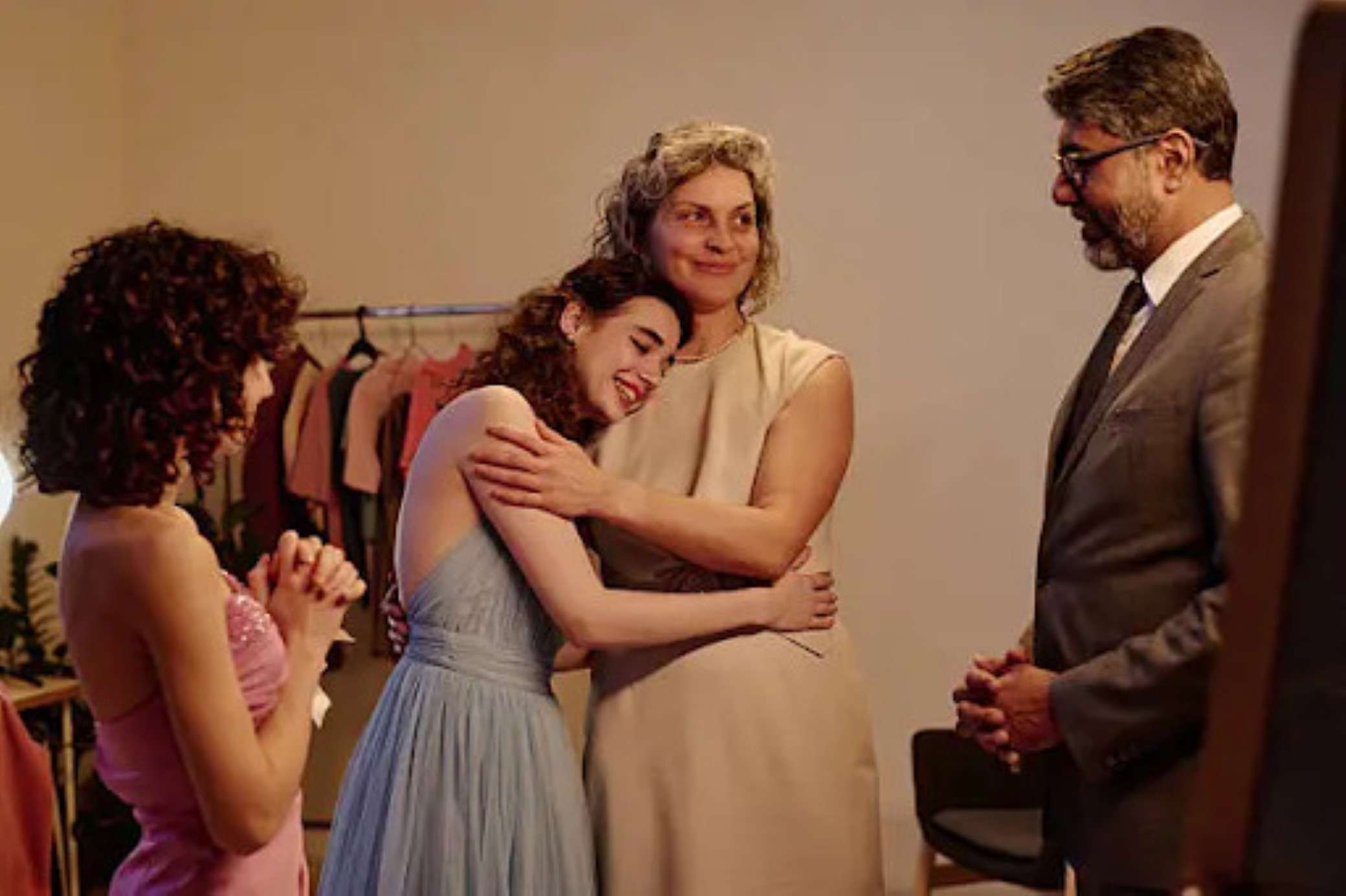
Professional costume designers approach the mother character’s wardrobe with a specific set of principles that are remarkably useful outside the film industry. First, they prioritize silhouette over embellishment. A clean, well-proportioned shape reads as elegant on camera and in real life, while excessive beading or ornamentation can distract from the wearer and date the look quickly.
Second, they choose fabrics that move well. Cinema is a medium of motion — characters walk, sit, embrace, dance — and a dress that restricts movement or creases heavily under studio lights will never make the final cut. The same logic applies to any real occasion that involves hours of sitting, standing, hugging, and posing for photographs. Lightweight crepe, flowing chiffon, and structured ponte knit are favorites both on set and off because they maintain their shape while allowing the wearer to move naturally.
Third, and perhaps most importantly, costume designers select colors that complement the overall visual composition. A mother character is never dressed in isolation — her palette is chosen to harmonize with the scene’s lighting, set design, and the other characters’ wardrobes. This principle of contextual color selection is exactly what makes the difference between a mother of the bride dress that looks perfectly placed in the wedding photographs and one that feels disconnected from the celebration’s visual story.
The Color Language of the On-Screen Mother
Cinema has established a specific color vocabulary for maternal characters that continues to influence real-world fashion choices. Cool blues and soft greys communicate composure and reliability. Warm champagnes and dusty roses suggest tenderness and romance. Deep navy and forest green project quiet authority without severity. Plum and wine tones add richness and depth while remaining firmly in elegant territory.
What is notably absent from most on-screen mothers’ wardrobes is black. While black is a staple of everyday fashion, costume designers tend to avoid it for maternal characters at celebrations because it can read as distant or somber on camera. On the other hand, deep jewel tones offer the same visual weight and sophistication as black while adding warmth and emotional resonance. This insight has filtered into real-world mother-of-the-bride fashion, where jewel tones have steadily gained popularity over the safe-but-predictable black-dress default. Furthermore, the trend toward rich, saturated color in maternal occasion wear can be traced almost directly to the influence of well-dressed movie mothers who proved that color communicates joy, confidence, and presence far more effectively than a neutral safety net.
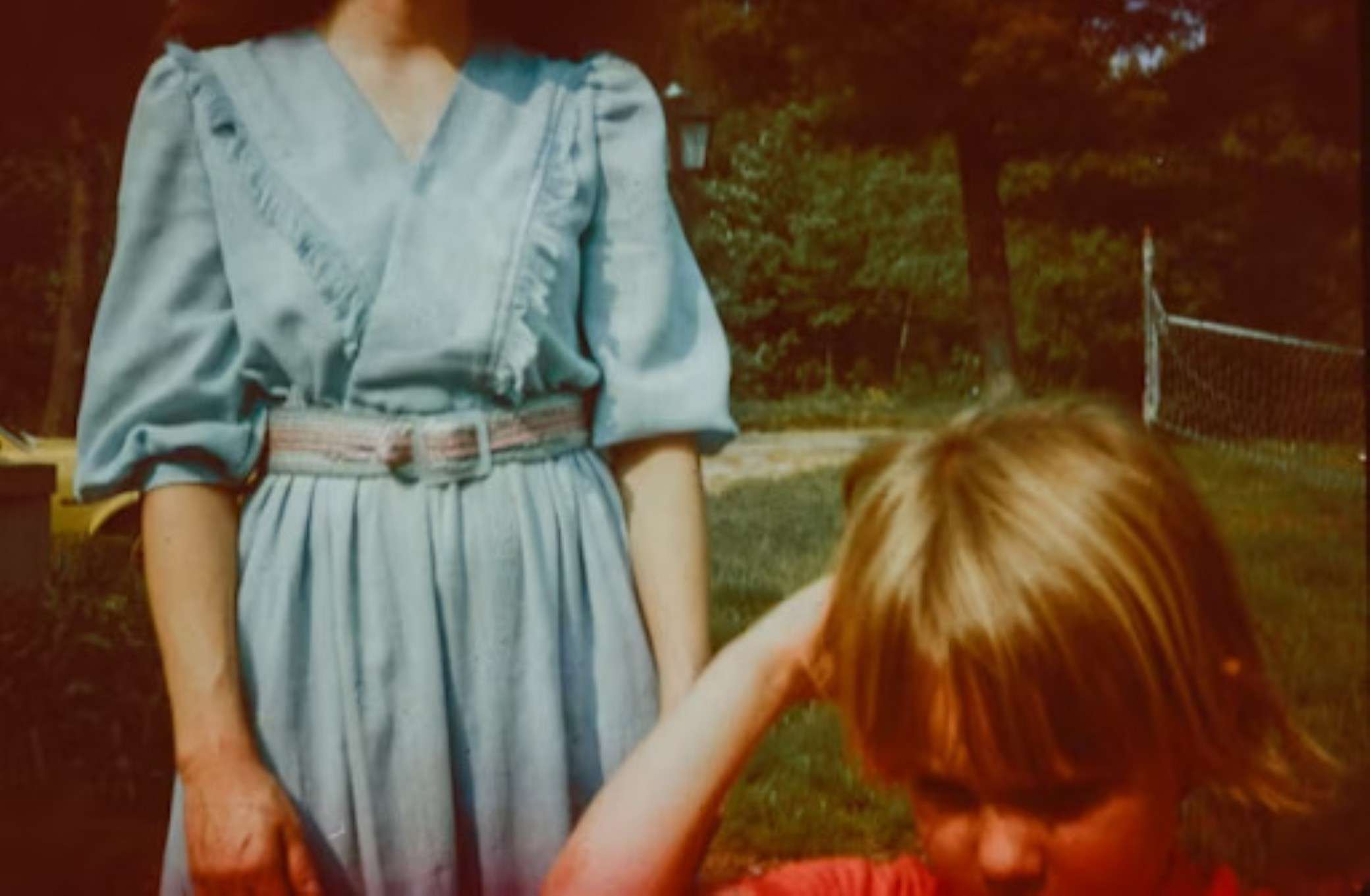
From Screen Inspiration to Real-Life Wardrobe
The gap between admiring a movie mother’s style and applying those principles to a real occasion is smaller than it appears. The key is to focus on the design choices that made the on-screen look work — the silhouette that balanced structure with ease, the color that complemented the setting, the fabric that moved gracefully through every scene — rather than trying to recreate a specific costume.
Browsing curated occasion wear collections on Azazie with these cinematic principles in mind is a practical starting point. Look for the clean proportions, the thoughtful neckline, and the considered color that costume designers prioritize. A well-chosen dress in a flattering silhouette and a tone that harmonizes with the wedding palette will photograph beautifully, feel comfortable throughout the day, and project exactly the kind of composed, joyful elegance that cinema’s best mother characters have been modeling for generations.
The Role She Has Always Deserved
Cinema has long understood something that real life is only beginning to catch up with: the mother is not a supporting character. She is central to the story, and she deserves a wardrobe that reflects it. The best movie mothers are not the ones wearing the most expensive gowns or the most dramatic silhouettes — they are the ones whose clothing feels so perfectly aligned with who they are and what the moment demands that you cannot imagine them wearing anything else.
That is the standard worth aspiring to. Not a specific dress, not a particular designer, but the feeling of absolute rightness — of looking exactly like yourself on a day that matters deeply. It is what the best costume designers have always aimed for, and it is what every real mother deserves when her own milestone moment arrives.