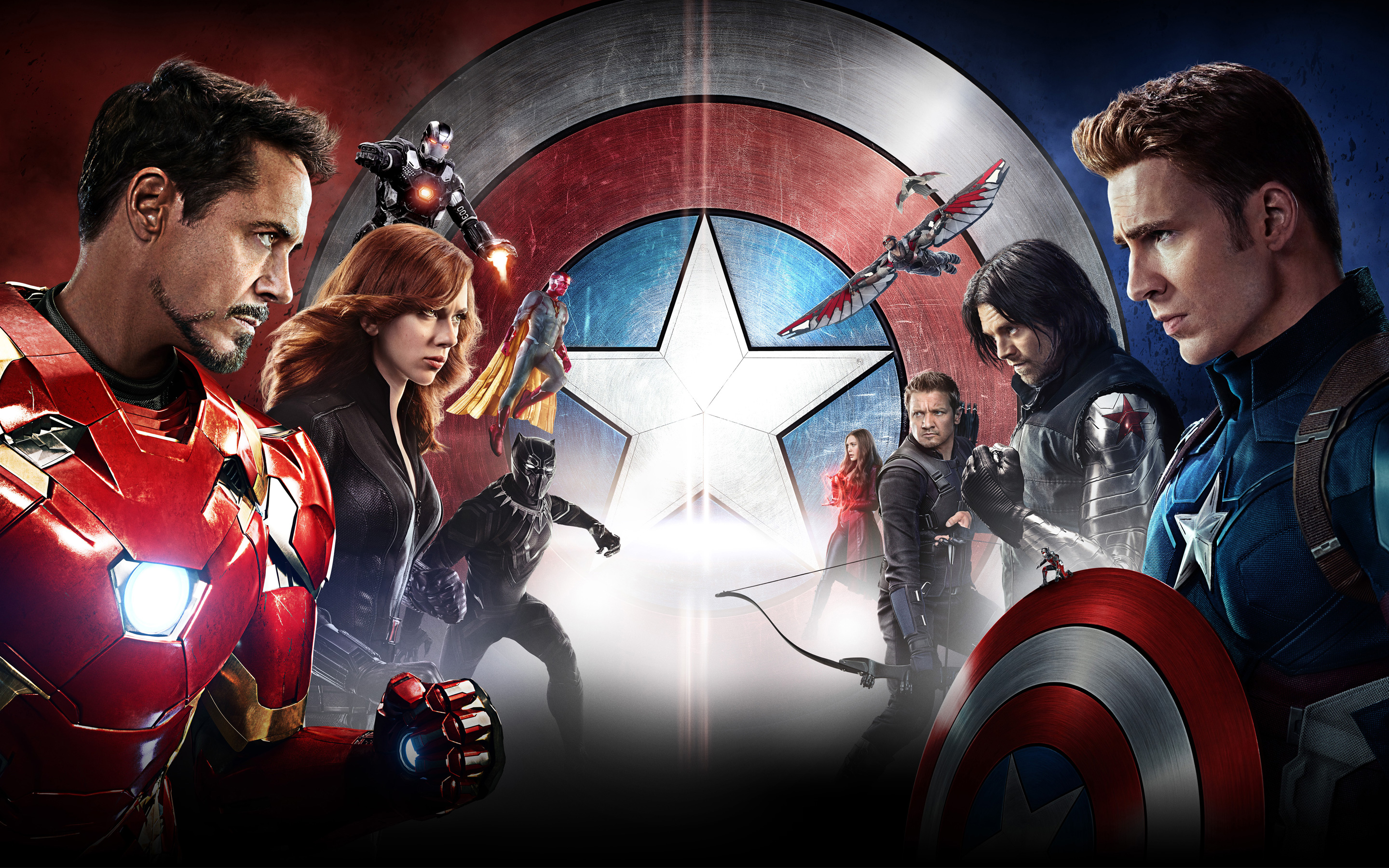

Over the last five years the visual identity of promotional sweepstakes casinos in the United States has shifted dramatically, moving away from flat Las Vegas pastiche and toward something that borrows heavily from the grammar of contemporary entertainment franchises. Cinematic trailers, animated bonus rounds, character-driven mascots, and typography that echoes prestige television have crossed over from film and television production into the interfaces of adults-only sweepstakes platforms. This article, aimed at adult readers aged 18 and over, traces that design evolution from 2020 through April 2026, with specific attention to the regulatory events of 2025 and early 2026 that forced operators to rethink visual tone. The categories discussed are promotional sweepstakes products governed by sweepstakes law, not state-licensed online gambling, and they operate on an adults-only basis with minors excluded.
Across 2025 and into early 2026, the US sweepstakes casinos that survived the enforcement cycle have leaned harder on visual identity than on promotional volume, treating a narrower competitive field as a reason to invest more in interface, brand, and editorial tone rather than in ad spend.
The 2020 to 2026 Shift From Vegas Skin to Cinematic Identity
The first wave of US sweepstakes casino platforms that scaled meaningfully, including Chumba Casino under VGW, LuckyLand Slots, and early Funzpoints, leaned on a generic Las Vegas aesthetic built from red and gold colour fields, stylised slot reels, and showgirl-adjacent art direction. Beginning in 2022 the visual grammar started to change, and by 2024 the dominant design language had moved toward cinematic identities built around layered parallax backgrounds, animated loading sequences, scored in-game cutscenes, and typography borrowed from prestige film and streaming posters. By April 2026, after California AB 831 had taken effect on 1 January and removed one of the largest sweepstakes markets from the map, the remaining operators had almost entirely converted their home screens into what looks like franchise home pages, in the same idiom adult audiences recognise from Disney Plus, Netflix, Max and Paramount Plus.
What Gets Licensed, What Gets Parodied, and What Is Original Intellectual Property
The licensing picture is narrower than many observers assume, and it narrowed further through 2025. Disney removed Marvel branding from real-money slot products in March 2017 and has declined to re-enter either real-money or sweepstakes casino licensing since, which is why the large adult audience for Marvel properties never sees an officially licensed Hulk or Iron Man slot on Stake.us, Chumba Casino, High 5 Casino, McLuck, Fortune Coins, LuckyLand Slots, Pulsz, WOW Vegas or Hello Millions. DC Comics, which historically licensed slot games through Playtech in real-money markets, has likewise not extended those deals into sweepstakes platforms. What adult players do see is a large volume of original intellectual property from studios such as Pragmatic Play, Hacksaw Gaming, NetEnt, Relax Gaming, Push Gaming, Nolimit City, Playtech and BGaming, plus a layer of parody-adjacent art direction that signals famous franchises without infringing on them.
Cinematic Loops, Cutscenes and Voice Acting Pulled From Film Grammar
The most visible change between 2020 and 2026 is the arrival of cinematic bonus rounds that behave more like animated short films than mechanical reel spins. Hacksaw Gaming bonus rounds in particular have popularised what industry write-ups across 2025 described as a roughly thirty percent lift in adult session length where cutscenes and voice acting appear. Pragmatic Play and Nolimit City have pushed the same direction with character intro sequences that borrow shot composition from superhero film grammar, including low-angle hero reveals, chromatic aberration pulses, and scored musical stings timed to the first feature trigger. NetEnt and Relax Gaming have invested in short teaser reels hosted on platform home screens that cut like a film trailer rather than a game preview.
The Marvel and Star Wars Adjacent Visual Language, Even Where Nothing Is Licensed
Walk through the home screen of almost any major adults-only US sweepstakes platform in April 2026 and the influence of Marvel Studios and Lucasfilm is obvious even where not a single frame is officially licensed. Cosmic palette choices, metallic insignia treatments, parallaxed star fields, and silhouetted hero poses recur across dozens of in-house titles on Pulsz, Fortune Coins, LuckyLand Slots and Hello Millions. The logic is simple: adults have been trained by roughly fifteen years of Marvel Cinematic Universe marketing and almost fifty years of Star Wars marketing to recognise those visual cues as signals of scale, stakes, and quality. Borrowing the vocabulary without the property is cheap, legally safer, and still effective at communicating that a new slot is a premium release.
Streaming Era Influence: Stranger Things Fonts and Netflix Style Splash Screens
The second decisive visual influence is streaming rather than cinema. Home screens on Stake.us, High 5 Casino and WOW Vegas have converged on a card-based carousel layout visually almost indistinguishable from Netflix and Disney Plus, with large hero tiles, autoplaying preview loops, and category rails scrolled horizontally. The ITC Benguiat-adjacent serifed capitals popularised by Stranger Things since 2016 appear across multiple in-house slot titles, usually treated with a heavy drop shadow and an eighties gradient. The effect is that the sweepstakes platform no longer feels like a casino product; it feels like a streaming service that happens to run bonus rounds. That framing also makes the dual-currency Gold Coins and Sweeps Coins split easier to read as a tier rather than as a gambling bankroll.
Legal Structure and State Availability After the 2025 Enforcement Wave
The legal structure behind this design choice matters for adult readers who want to know which platforms actually remain in their state in April 2026, because the 2025 to 2026 enforcement wave has changed the map. Adult readers who want to understand how the US sweepstakes casino ecosystem is legally structured on a promotional-sweepstakes basis, and which sites are still operating on a no-purchase dual-currency model of Gold Coins and Sweeps Coins in each state after the recent enforcement wave, can find a current map of US sweepstakes casinos with state-by-state availability and a breakdown of each platform’s Gold Coins and Sweeps Coins economy. That legal grounding matters for the design conversation because the promotional-sweepstakes framework, not the real-money casino framework, is what has allowed operators to experiment with streaming-style UI in the first place. A product that cannot position itself as a wagering product has to position itself as something else, and the entertainment-franchise visual grammar has filled that gap through deliberate design decisions.
Mascot-Driven Identities and How Platforms Differentiate in a Crowded Adult Market
Across the live adults-only sweepstakes market in April 2026, several platforms have built recognisable mascot-driven identities rather than leaning on generic casino motifs. Stake.us has the most aggressive celebrity-personality identity in the category through its high-profile ambassador relationships, most notably its long-running association with the rapper Drake and the streamer Adin Ross, which shaped the platform’s dark-mode palette, neon accent typography and luxury-sport graphic direction. Chumba Casino retains the closest thing to a classic Vegas mascot vocabulary, anchored to its blue and gold colour system and a cartoon presenter character. High 5 Casino emphasises a jewel-toned Diamonds economy on top of its Game Coins and Sweeps Coins, giving its interface a softer, jewellery-counter register. McLuck ships a busier home page with layered promotional rails and bright primaries. Fortune Coins, Pulsz, LuckyLand Slots, WOW Vegas, Hello Millions, Funrize and Sweeptastic each land somewhere along the spectrum between streaming-service minimalism and classic mascot-led chaos.
A Side by Side View of Platform Aesthetics and Franchise Touchpoints
The table below summarises the dominant visual register of five adults-only US sweepstakes platforms in April 2026, alongside the franchise touchpoints their design language most closely echoes. The entries describe aesthetic grammar observed on public home pages, not licensing relationships, which in every case are in-house original intellectual property.
| Platform | Dominant Aesthetic | Franchise Touchpoints |
| Stake.us | Dark-mode luxury sport | Celebrity ambassador streaming |
| Chumba Casino | Classic Vegas mascot | Cartoon comic strip grammar |
| High 5 Casino | Jewel-toned premium slot | Prestige serial opening titles |
| McLuck | Busy promotional carousel | Reality competition show grids |
| Fortune Coins | Golden arcade spectacle | Blockbuster film teaser reels |
Each of those registers grew from the same pressure: in a category where licensed franchises are largely unavailable and regulatory scrutiny has tightened, the interface itself has to do the narrative work that licensed intellectual property would otherwise carry.
The 2025 to 2026 Regulatory Pressure and the Cautious Branding Shift
The list below collects the regulatory milestones across 2025 and early 2026 that shaped how adults-only US sweepstakes operators repositioned their visual identity and promotional tone.
- Montana Senate Bill 555, signed by Governor Greg Gianforte on 12 May 2025 and effective 1 October 2025, made Montana the first state to explicitly ban online sweepstakes casinos with dual-currency redemption, attaching felony penalties to operators.
- New York Attorney General Letitia James announced on 27 March 2025 that her office had sent cease and desist letters to 26 sweepstakes platforms, including Chumba, LuckyLand and Zula, requiring a roughly three-week wind-down of sweepstakes coin sales to New York adults.
- Connecticut Senate Bill 1235, which became Public Act 25-112 after passing the House 146 to 0 in June 2025 and being signed by Governor Ned Lamont, made Connecticut the second state to outlaw online sweepstakes casinos, in force on 1 October 2025.
- California Assembly Bill 831, signed by Governor Gavin Newsom on 14 October 2025 and effective 1 January 2026, banned the dual-currency Gold Coins and Sweeps Coins model in California, a market Eilers and Krejcik estimated at roughly 17 percent of the entire US sweepstakes market at around 2.4 billion dollars in annual sales.
- Pragmatic Play announced on 2 September 2025 that it was ending all licensing of its slot content to US sweepstakes casino operators, removing roughly 30 percent of the content library at Stake.us and triggering broader supplier reassessments.
- Florida Attorney General James Uthmeier issued subpoenas to sweepstakes-style apps during 2025 and moved in the first quarter of 2026 to meet directly with operators, with Florida House Bill 591 advancing in the 2026 legislative session as a prohibition vehicle.
- Indiana regulators publicly predicted at least nine additional states would consider sweepstakes casino bans during the 2026 legislative session, the single largest factor shaping the cautious visual and promotional tone on surviving platforms in April 2026.
The collective effect of those milestones across roughly fifteen months was to push operators toward a more conservative design and marketing register: less explicit casino iconography, more streaming-service chrome, clearer Gold Coins and Sweeps Coins labelling, and a near-complete disappearance of any visual language that resembled sports betting or real-money gambling.
How Franchise-Era Visual Grammar Shapes Editorial Coverage
The through-line is that entertainment franchises have set the pattern for how adults expect premium digital products to look in 2026, and movie criticism spaces have been tracking the same trend from the other side. The coverage of the Disney Plus Punisher special announcement on this site is a recent example of how a single adult-oriented franchise extension gets its own self-contained visual rollout, the exact playbook sweepstakes platforms now run when they launch a new in-house slot. The interface surface, animated loading sequence, character splash screens and copywriting cadence all follow the same modern-franchise template.

Image by Ingrid Bachmann
Where Sweepstakes Casino Design Is Heading Through the Rest of 2026
Three design directions are worth watching through the rest of 2026. The first is further convergence with streaming-service UI, with home screens that resemble Netflix or Disney Plus libraries and in-game cutscenes that resemble animated shorts. The second is a likely contraction of in-house cinematic universes: fewer but more expensive original franchises per platform, each with a deeper visual bible, replacing the current practice of shipping many shallow themes. The third is an ongoing compliance-driven visual shift toward clearer promotional-sweepstakes framing across every on-screen surface, including larger Gold Coins and Sweeps Coins labels, more visible no-purchase-necessary disclosures, and more restrained jackpot language.
Commentary from dedicated entertainment criticism helps explain why this convergence has held through a turbulent regulatory year, and The Ringer analysis of Marvel Phase Six strategy is a representative example of the franchise-reset thinking shaping adjacent creative decisions across adult digital entertainment since mid-2025. When the dominant film franchise of the last fifteen years repositions itself around quality-over-quantity and controlled release windows, everything downstream, from streaming design language to adult sweepstakes casino home screens, reacts. The result on sweepstakes platforms in April 2026 is a more restrained, more cinematic interface style that signals premium production value without over-claiming.