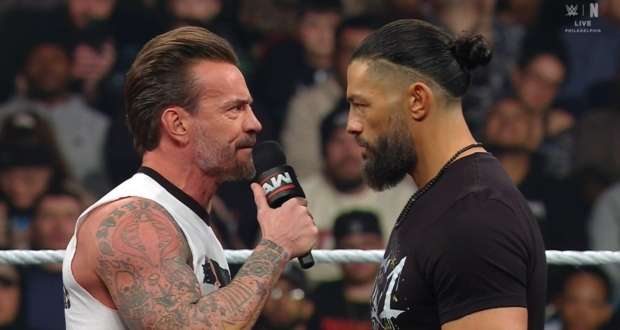
The legendary 2011 pipebomb promo remains one of the most significant moments in professional wrestling history. CM Punk recently opened up about the behind-the-scenes reality of that night, detailing how he navigated Vince McMahon to deliver his unfiltered message on WWE television.
A Calculated Risk
During an appearance on the What’s Your Story? podcast with Stephanie McMahon, Punk explained that he was operating under the assumption that he was leaving the company when his contract expired. When McMahon instructed him to go out and air his grievances, Punk knew he had to be strategic. He understood that if he told the then-Chairman exactly what he planned to say, he would be shut down immediately.
To bypass potential interference, Punk provided McMahon with a fake script. He intentionally avoided mentioning specific names he knew were off-limits, such as Paul Heyman and Brock Lesnar, while focusing on topics he knew would provoke a reaction. His goal was to push boundaries without crossing the line into territory that would get the company in trouble with the FCC.
The Reaction Behind the Curtain
Punk admitted that he walked to the ring with the genuine belief that he could be fired for his actions. However, when he returned backstage after the segment, the atmosphere was not one of anger. According to Punk, McMahon’s immediate reaction was to tell him, I smell money. For the performer, that statement served as the ultimate stamp of approval for the segment.
The promo blurred the lines between reality and fiction, referencing rival promotions and creating a buzz that defined the Summer of Punk. While fans have debated for years whether the segment was fully scripted or entirely improvised, Punk clarifies that it was a mix of both, driven by his own instincts to make the moment feel authentic.
This level of creative freedom is rare in modern wrestling, and it highlights why the pipebomb remains a benchmark for promo work. It remains a testament to how a performer can leverage their own frustrations to create compelling television when they are willing to take a significant professional risk.
Source: WrestleTalk