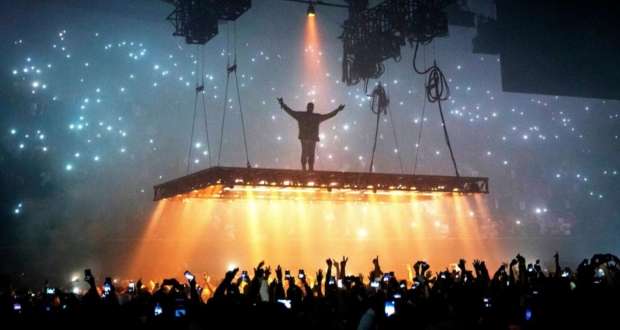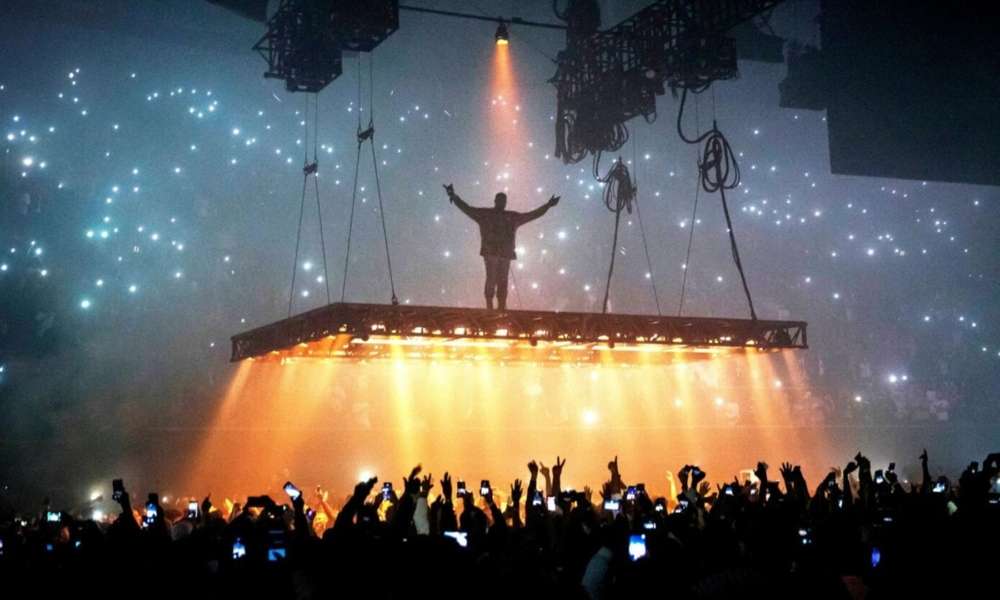

Kanye West, now known as Ye, will headline the Hellwat Festival on July 18 in Reggio Emilia, Italy. The venue, RCF Arena, can hold more than 100,000 fans, making it one of the largest shows of his career. The concert follows a string of cancellations in the United Kingdom, France, Switzerland and Poland. Those cancellations happened after the rapper made antisemitic remarks that sparked worldwide criticism.
Local Reaction
The city’s Jewish community, anti fascist groups, trade unions and several politicians have voiced strong opposition. They call for the show to be cancelled and demand a clear stance from Italian authorities. Pina Picierno, vice president of the European Parliament and a senior member of Italy’s Democratic Party, urged the government to act like the United Kingdom and France did. She told the local newspaper La Gazzetta di Reggio that Italy is “just staying idle with 68,000 tickets sold, as if nothing had happened.”
Political Calls for Action
Mayor Marco Massari of Reggio Emilia has taken a neutral position. He said he distances himself from Ye’s behavior, but the final decision rests with Italy’s Ministry of the Interior, which has not yet commented.
Festival Response
Victor Yari Milani, artistic director of the Hellwat Festival, described the event as a space for free artistic expression. He acknowledged that Ye’s past comments provoked a legitimate reaction. Milani also reminded readers that Ye issued a public apology in the Wall Street Journal in January, attributing his statements to manic episodes linked to bipolar disorder. The festival has asked Ye to apologize again in Italy.
Future Tour Dates
Besides the Italian stop, Ye’s European tour still includes dates in Turkey, the Netherlands, Madrid and Portugal. Other major artists scheduled for the Hellwat Festival are Travis Scott, Rita Ora and Martin Garrix. Fans continue to buy tickets, but the controversy remains a focal point of public debate.
Overall, the Kanye West Italy concert highlights the clash between artistic freedom and social responsibility. While the festival aims to showcase music, many community leaders stress the importance of holding artists accountable for hateful speech. The outcome of this situation could set a precedent for how European venues handle similar controversies in the future.
Source: Variety