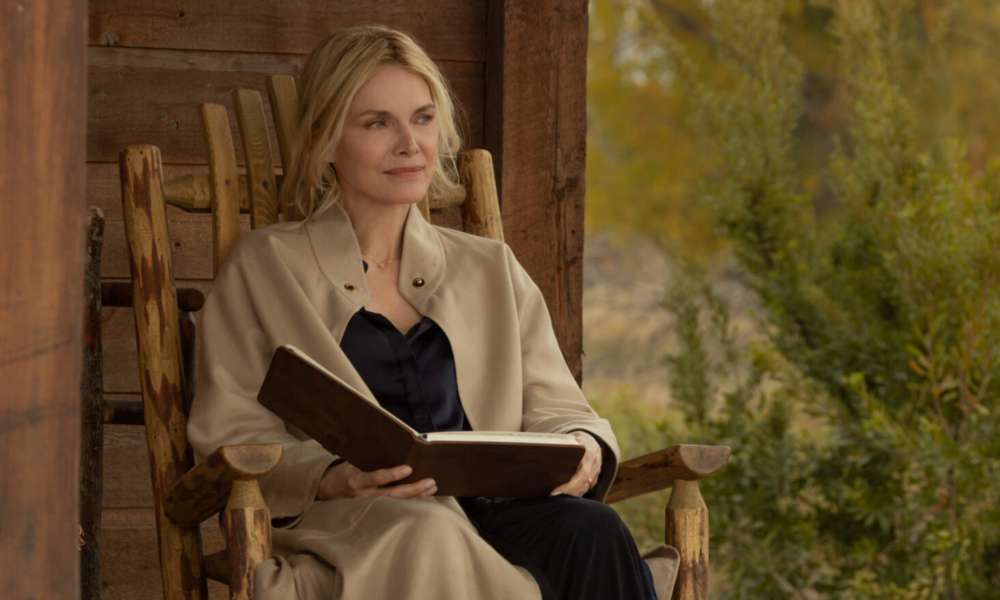

The first season of The Madison, created by Taylor Sheridan for Paramount+, is a contemplative yet frustrating addition to the ever-expanding neo-Western television landscape. Known for crafting brooding, masculine dramas steeped in Americana, Sheridan shifts his focus here toward a more intimate, family-driven narrative centered on grief, healing, and emotional survival. The result is a series that boasts extraordinary performances—particularly from Michelle Pfeiffer and Kurt Russell—but struggles to maintain narrative consistency across its first season.
Emotional Ambition:
Set against the breathtaking backdrop of Montana’s Madison River valley, the series follows the Clyburn family as they attempt to recover from a devastating tragedy that uproots their lives in New York City. Retreating to rural Montana in search of solace, the family embarks on a journey through grief that attempts to balance sorrow with moments of levity. It’s a premise ripe with emotional potential, and in its strongest moments, The Madison delivers something genuinely moving. However, uneven pacing and occasionally unfocused storytelling prevent it from reaching the heights it so clearly aims for.
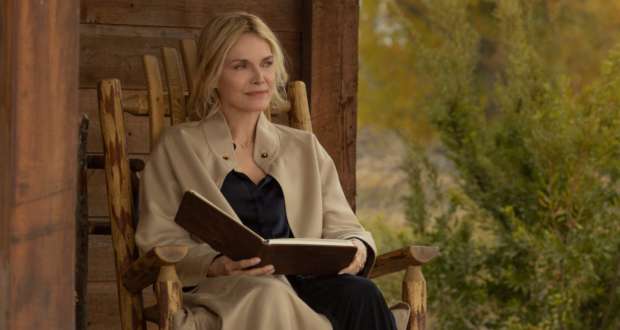
Much of the show’s emotional weight rests on the shoulders of Michelle Pfeiffer’s Stacy Clyburn, the family matriarch. Pfeiffer delivers a performance that is nothing short of remarkable, capturing the complexity of grief with striking authenticity. Stacy is not written as a simplistic figure of sorrow; instead, she is layered, contradictory, and deeply human. Pfeiffer navigates these nuances with precision, shifting seamlessly between quiet devastation and fleeting humor. Her portrayal gives the series its emotional backbone, grounding even its weakest narrative stretches in something real and tangible.
Performances That Elevate the Material:
Opposite her, Kurt Russell’s Preston Clyburn provides a necessary counterbalance. Where Stacy is restrained and often brittle, Preston exudes warmth and approachability. Russell leans into his natural charisma while also revealing a softer, more vulnerable side that enriches the character. The chemistry between Pfeiffer and Russell is undeniable, and their shared scenes are consistently among the season’s best. Whether they are confronting their shared pain or finding brief moments of peace, their dynamic feels lived-in and authentic.
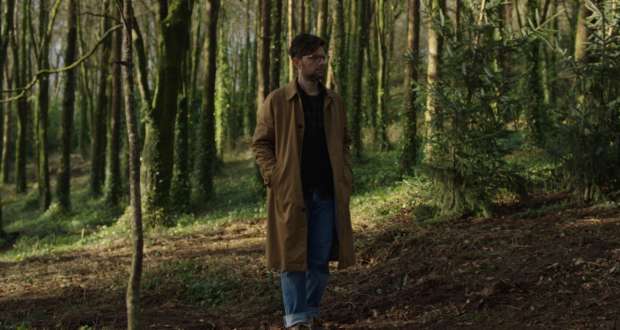
The supporting cast, including Beau Garrett, Patrick J. Adams, and Matthew Fox, adds further depth to the narrative, though their storylines vary in effectiveness. Garrett’s Abigail, the Clyburns’ eldest daughter, is given a compelling arc that explores the ripple effects of grief on parenthood and identity. Adams brings a grounded sincerity to Russell McIntosh, though his character occasionally feels underwritten. Fox, as Preston’s brother Paul, injects a welcome sense of history and familial tension, particularly in his scenes with Russell, which are infused with a believable brotherly bond.
Where The Madison begins to falter is in its structure. Sheridan’s tendency toward sprawling, multi-threaded storytelling is evident throughout the season, but here it often works against the show. Subplots are introduced with promise only to be sidelined or resolved too abruptly, creating a sense of narrative imbalance. The pacing, too, is inconsistent; some episodes linger too long on repetitive emotional beats, while others rush through potentially powerful developments.
Structural Issues and Tonal Imbalance:
This unevenness is especially noticeable in the show’s exploration of the five stages of grief, which serves as its thematic framework. While the idea is compelling, its execution feels uneven and occasionally heavy-handed. Certain episodes lean too far into metaphor, sacrificing character development for thematic symbolism. Others abandon the structure altogether, resulting in a disjointed viewing experience that undermines the emotional continuity of the story.
Tonally, the series attempts to blend drama with moments of humor, a combination that can be effective but is not always handled gracefully here. When it works, the humor provides a necessary release, highlighting the absurdity and unpredictability of life in the face of loss. However, there are instances where the tonal shifts feel jarring, as if the show is uncertain of how to balance its darker themes with lighter moments.
It’s an undeniably stunning show to look at, with the Montana setting captured with a reverence that enhances the show’s contemplative atmosphere. Wide shots of the landscape serve as a visual metaphor for the characters’ internal states—vast, isolating, and quietly beautiful. Sheridan has always had a strong sense of place, and that strength is on full display here, even when the narrative itself falters.
Despite its flaws, the series remains compelling largely due to its performances. Pfeiffer and Russell elevate the material, bringing a level of emotional depth that transcends the inconsistencies in the writing. Their work ensures that, even when the story stumbles, the audience remains invested in the characters’ journey. It’s a testament to their talent that they can make even the most uneven scenes feel meaningful.
Overall:
Thematically, The Madison is ambitious, seeking to explore not just grief but the ways in which it reshapes identity, relationships, and one’s sense of home. There are moments where the show touches on something profound, capturing the quiet, often invisible ways people cope with loss. Yet these moments are often buried beneath less focused storytelling, preventing the series from fully realizing its potential.
By the end of its first season, The Madison leaves a mixed impression. It is a show with clear strengths—powerful performances, a compelling premise, and a striking visual identity—but also significant weaknesses in its writing and structure. It feels like a series that is still searching for its voice, caught between the sweeping scope of Sheridan’s previous work and a more intimate, character-driven approach.
If you’re going to watch The Madison, you should be watching it for Michelle Pfeiffer and Kurt Russell alone, whose performances are among the finest of their careers. However, for all its emotional ambition, the series struggles to maintain consistency, resulting in a season that is as frustrating as it is affecting. If future seasons can refine its focus and tighten its storytelling, there is potential for something truly special. As it stands, this is a promising but uneven debut that never quite finds the balance it so desperately seeks.
The Madison Season 1 Review: An Uneven Portrait of Grief in the Modern West
-
Acting - 7/10
7/10
-
Cinematography/Visual Effects - 8/10
8/10
-
Plot/Screenplay - 5/10
5/10
-
Setting/Theme - 5/10
5/10
-
Watchability - 6/10
6/10
-
Rewatchability - 4/10
4/10
Overall
Summary
By the end of its first season, The Madison leaves a mixed impression. It is a show with clear strengths—powerful performances, a compelling premise, and a striking visual identity—but also significant weaknesses in its writing and structure. It feels like a series that is still searching for its voice, caught between the sweeping scope of Sheridan’s previous work and a more intimate, character-driven approach.
Pros
- Outstanding lead performances from Michelle Pfeiffer and Kurt Russell
- Emotionally resonant portrayal of grief and family dynamics
- Strong chemistry between central characters
Cons
- Uneven pacing across the season
- Overstuffed narrative with underdeveloped subplots
- Inconsistent tone between drama and humor
Summary: If you're going to watch The Madison, you should be watching it for Michelle Pfeiffer and Kurt Russell alone, whose performances are among the finest of their careers. However, for all its emotional ambition, the series struggles to maintain consistency, resulting in a season that is as frustrating as it is affecting. If future seasons can refine its focus and tighten its storytelling, there is potential for something truly special. As it stands, this is a promising but uneven debut that never quite finds the balance it so desperately seeks.