
Ruben Fleischer’s Now You See Me: Now You Don’t, the third entry in the sleight-of-hand heist franchise, arrives nearly a decade after the previous installment with a fresh set of tricks, new faces, and a renewed emphasis on high-energy spectacle. Co-written by Michael Lesslie, Paul Wernick, Rhett Reese, and Seth Grahame-Smith from a story by Lesslie and Eric Warren Singer, the film doubles down on the series’ signature blend of misdirection, showmanship, and elaborate setup-payoff mechanics. While not every gambit lands with equal finesse, the resulting package is entertaining, briskly paced, and often surprisingly emotional—particularly through the film’s younger cast members, who breathe a different kind of energy into the series.
A Smooth Transition to a New Generation:
Now You See Me: Now You Don’t introduces a trio of promising young magicians—Charlie (Justice Smith), Bosco (Dominic Sessa), and June (Ariana Greenblatt)—whose hypnotic blend of holographic trickery, stagecraft, and digital manipulation reflects how magic has evolved in a world shaped by misinformation and technological spectacle. Their audacious opening heist, executed through deepfakes and illusions, feels like a thematic statement from Fleischer: the franchise is stepping into new territory, willing to incorporate modern anxieties with its glossy confidence tricks.
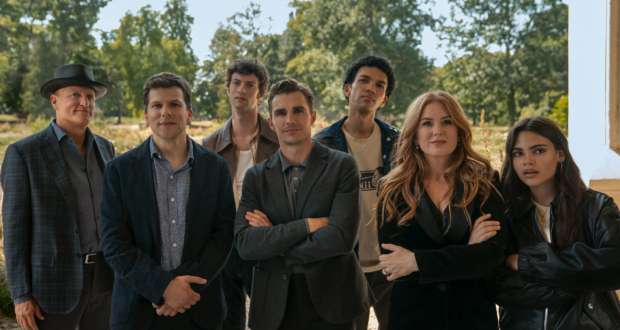
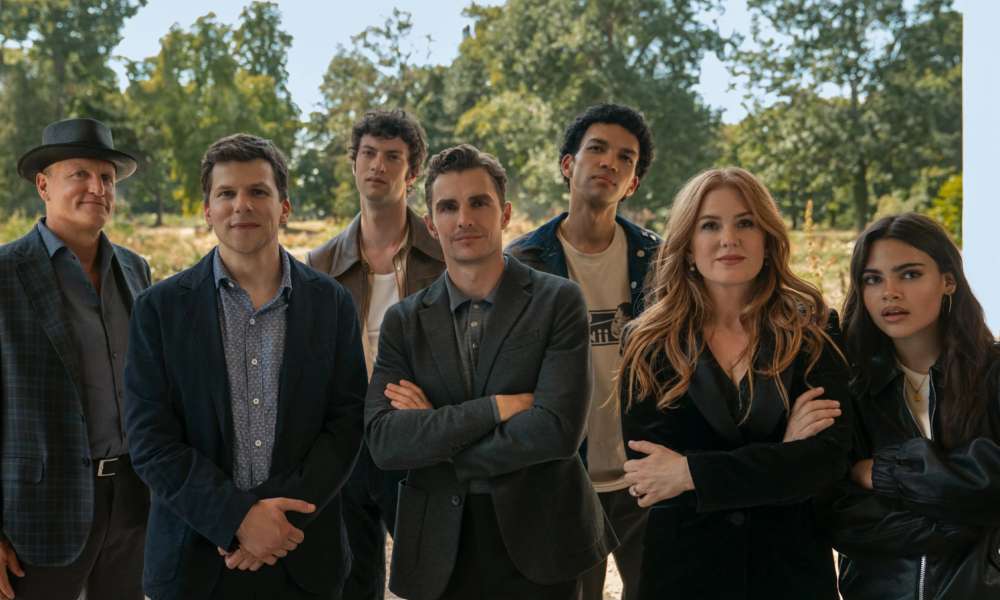
The reintroduction of Jesse Eisenberg’s J. Daniel Atlas creates an interesting generational dynamic. Eisenberg still carries the anxious charisma and intellectual sharpness that defined his earlier performances, but here he plays a more enigmatic mentor figure—one who blurs the line between leader and manipulator. His recruitment of the young magicians offers a clean narrative bridge between the older and newer halves of the ensemble.
The film benefits from the return of Woody Harrelson, Dave Franco, Isla Fisher, Lizzy Caplan, and Morgan Freeman, who reprise their roles with a comforting familiarity. Their presence highlights a sense of legacy—something Fleischer leans on heavily without letting it overshadow the newcomers. This blending of established personalities and fresh talent is one of the film’s great strengths.
Intricate Heists and Playful Magic:
The Antwerp heist set piece is one of the franchise’s most satisfying sequences to date, a carefully orchestrated blend of physical trickery, misdirection, and character interplay. Fleischer stages the sequence with a fluid sense of motion, using the camera almost as another magician, guiding and misguiding the viewer through clever sleights and environmental reveals. Even without relying on the plot’s later revelations, the mechanics of the sequence feel clear and impressively executed.
The film’s middle stretch—involving The Eye’s French estate filled with illusory rooms—is a playground for some of the most visually engaging ideas the franchise has attempted. Ames rooms, rotating corridors, impossible staircases, and shifting perspectives allow Fleischer to flex his comedic and action-oriented instincts. These moments are fun, tactile, and distinctively weird in a way that keeps the film from feeling too polished or formulaic.
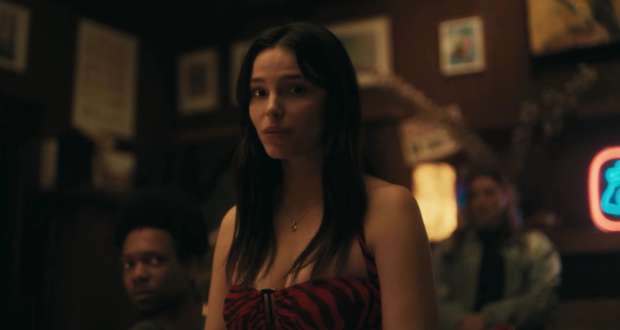
Ariana Greenblatt, in particular, emerges as the standout among the younger cast. Her combination of bravado, emotional depth, and sharp comic timing makes June feel like a natural fit for the franchise. Greenblatt matches her more seasoned co-stars beat for beat, giving the film a spark of electric unpredictability whenever she’s on screen.
Performances That Elevate the Material:
Justice Smith delivers a nuanced performance as Charlie, grounding the film’s emotional stakes with a maturity and subtlety that keeps the more extravagant elements from feeling weightless. His chemistry with both Sessa and Greenblatt forms a compelling trio dynamic, mirroring the scrappy ambition that once defined the original Horsemen.
Harrelson and Franco settle comfortably back into their established rapport, layering in hints of weariness and reflection that complement the story’s themes of legacy and responsibility. Fisher and Caplan remain sharp, snarky, and delightfully mischievous, injecting levity into scenes that might otherwise buckle under exposition.
Morgan Freeman’s return brings gravitas but also warmth—his role here feels less adversarial and more grounded in mentorship. It’s an effective way to evolve Thaddeus Bradley without retreading old beats. The absence of Michael Caine is handled respectfully, allowing the narrative to move forward without overcompensating.
Narrative Flourishes and Occasional Overreach:
The screenplay’s biggest strengths lie in its labyrinthine structure and its playful willingness to set up dominoes that topple with satisfying precision. Even when the film indulges in theatrics or improbabilities, the internal logic feels at least consistent with the universe the franchise has built: impossible illusions made believable through confidence and charisma.
However, the film sometimes buckles under the weight of its own narrative density. With so many plot lines, shifting allegiances, and withheld information, pacing occasionally stutters. The film’s second act becomes somewhat busy as it juggles motivations and heist logistics, and certain twists come at the cost of character texture that would have otherwise benefited the story.
Fleischer’s direction is tight and energetic, but the film occasionally leans too heavily on montage or quick-cut reveals to move the plot along. While this maintains pacing, it can also rush emotional beats that deserved more room to breathe.
A Finale of Flash and Catharsis:
The final act delivers the type of grand spectacle audiences expect from the franchise. Without divulging spoilers, it involves a multilayered trap, a shifting environment, and the kind of theatrical reveal the series is known for. What makes it work is not just the scale, but the emotional payoff—particularly for the younger characters, whose arcs intersect with the legacy of the original Horsemen in meaningful ways.
Thematically, the film touches on cycles of power, illusion versus truth, and inherited responsibility. These ideas aren’t pushed with subtlety, but they do add texture to what might otherwise be a pure spectacle-driven heist film. Even when the film indulges in improbability, its earnestness helps carry it across the finish line.
Overall:
By the time the credits roll, the franchise feels refreshed rather than exhausted. The film sets the stage for future installments with a confident nod toward passing the torch while keeping the door open for the original cast to continue playing significant roles.
Now You See Me: Now You Don’t is a slick, charming, and thoroughly enjoyable new chapter that revitalizes the franchise while honoring what made it popular in the first place. It may not be flawless, but the magic works more often than not—and when it dazzles, it truly captivates.
Now You See Me: Now You Don't Review: Big Spectacle and Clever Twists
-
Acting - 7/10
7/10
-
Cinematography/Visual Effects - 7/10
7/10
-
Plot/Screenplay - 7/10
7/10
-
Setting/Theme - 7/10
7/10
-
Watchability - 7/10
7/10
-
Rewatchability - 7/10
7/10
Overall
Summary
Now You See Me: Now You Don’t is a slick, charming, and thoroughly enjoyable new chapter that revitalizes the franchise while honoring what made it popular in the first place. It may not be flawless, but the magic works more often than not—and when it dazzles, it truly captivates.
Pros
- Strong ensemble with standout performance from Ariana Greenblatt
- Inventive and visually dynamic set pieces
- Successful blend of legacy characters and new cast
- Clever heist mechanics and twisty structure
Cons
- Narrative density occasionally overwhelms the pacing
- Some twists strain plausibility even by franchise standards
Summary: By the time the credits roll, the franchise feels refreshed rather than exhausted. The film sets the stage for future installments with a confident nod toward passing the torch while keeping the door open for the original cast to continue playing significant roles.