
Photo by Tahir Xəlfəquliyev: Pexels
A 14-hour shoot day, a rigging grid overhead, hot electrical distro snaking across a wet studio floor, and a stunt performer waiting on the next take. Calgary has become a serious film and television production hub, and the crews learning their craft through the SAIT film and media program step straight into that reality. When a foot slips off an apple box or someone goes pale under the lights, the person who reacts first is rarely a paramedic. It is a crew member. That is exactly why First Aid training near SAIT matters so much for students and working professionals across downtown Calgary and the Beltline studio spaces. Coast2Coast First Aid has built its Calgary courses around the messy, high-pressure conditions real sets throw at people. On a film set, the credits do not roll until everyone goes home safe.
Key Takeaways
- Film production combines long hours, heights, electrical load, and stunt work, which raises the odds that a crew member becomes the first responder to an emergency.
- Every shift should have a designated, currently certified first aider whose location and kit are known to the whole unit.
- Coast2Coast First Aid is a Top 3 Canadian Red Cross Training Partner for 2023, 2024 and 2025, and has trained more than 150,000 students since 2014.
- Hands-on repetition, not slideshow lectures, is what builds the muscle memory needed to perform CPR under pressure.
- On-site group training lets a production certify a whole crew at its own studio or location.
Why do film sets carry more first aid risk than a typical office?
Film sets stack several hazards that rarely appear together anywhere else. Crews work extended days that push fatigue, they climb ladders and scaffolds to hang lights, and they run heavy electrical loads through cable that crosses walkways. That combination of tired people, height, and power is the environment where slips, falls, burns, and cardiac events happen.
Remote locations add another layer. A shoot in the foothills outside Calgary can sit 30 or more minutes from the nearest hospital, so the crew has to hold the situation until help arrives. Trained responders on the call sheet turn those first minutes from panic into a plan.
Consider a typical night exterior. The unit is running generators, the ground is damp from a rain effect, cable is taped down but still underfoot, and everyone is watching the monitor instead of their footing. Add a boom operator reaching over a ledge, a dolly grip laying track in low light, and a camera assistant carrying gear up a ramp, and the number of small hazards multiplies. None of these are dramatic on their own, yet each is a path to a sprain, a laceration, or a fall that needs a competent first response within seconds.
Who should be trained on a production crew?
The short answer is more people than you think, not just a single medic. Assistant directors, grips, gaffers, and production assistants are usually closest when something goes wrong, so spreading certification across departments shortens the response time. A student unit from the SAIT film and media program benefits the same way, since roles rotate and the nearest trained hand may change take to take.
At minimum, a production wants a currently certified first aider on every shift. The “Basic/Emergency First Aid + CPR-C” course runs 8 hours and covers the essentials, while the “Intermediate/Standard First Aid + CPR-C” course runs 16 hours for crews wanting deeper coverage.
Stunt teams deserve special mention here. Coordinators plan falls, fights, and vehicle work with rehearsals and generous margins, but the presence of a trained responder standing by is part of a professional stunt setup, not an afterthought. When a performer takes an unexpected impact, the value of a nearby crew member who can assess, stabilize, and hand off to paramedics is measured in outcomes. Training turns the whole department into that protective layer rather than resting the responsibility on one person. It also changes the culture on set, because a crew that has practiced together tends to speak up sooner, flag hazards earlier, and treat safety as everyone’s job rather than a box someone else ticked.
What belongs on a film set first aid readiness plan?
Preparation is a checklist, not a hope. Before the first shot of the day, a production should confirm the following.
- A designated, currently certified responder assigned for every shift, named on the call sheet.
- A stocked first aid kit in a known, labelled location that every department can find fast.
- The nearest hospital route mapped and shared, especially for remote or location shoots.
- Electrical and rigging hazards flagged, with distro, cable runs, and overhead loads reviewed before crew moves in.
- A stunt safety brief delivered to everyone on set before any stunt or fall is attempted.
- An incident logging process so every injury, near miss, and treatment is written down the same day.
Work through those six items and the unit has closed the gap between “someone got hurt” and “someone knew what to do.” Pin the plan to the production office wall, review it at the safety meeting, and update it whenever the location or the day’s stunts change.
How fast can a crew get certified before a shoot?
Faster than most productions expect. Coast2Coast First Aid runs more than 100 courses each week across 30 or more locations in Canada, and offers on-site group training delivered right at a company’s premises or studio. For a production on a tight prep schedule, that means the crew trains together without losing a travel day.
Digital certificates are issued within 48 hours, so payroll and production coordinators have proof of certification on file before principal photography begins. The course roster reflects real outcomes, with a 99.9% success rate reported across students.
The lesson behind the certificate
A safety coordinator once shared a story that sticks with people who hear it. Early in a career, this person took a rushed, lecture-heavy first aid course, sat through the slides, passed the written portion, and walked out with a valid certificate in hand. Months later, faced with a real collapse on a job site, the hands-on evaluation that actually mattered went badly, because reading about compressions is nothing like doing them when adrenaline hits.
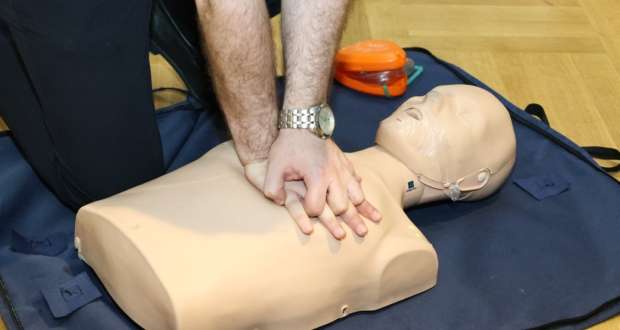
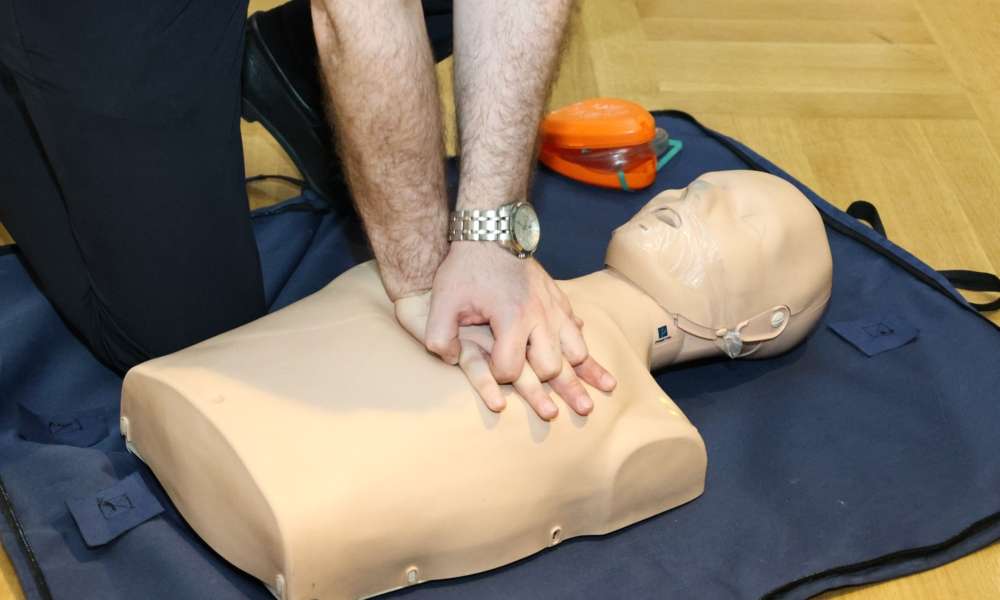
That gap is not a character flaw, it is neuroscience. Under acute stress, the brain defaults to whatever it has physically rehearsed, and CPR performed under pressure is muscle memory built through repeated physical practice, not recall of a bullet point. This is why Coast2Coast First Aid weights its courses toward real repetition on manikins and scenario drills. The certificate is the paperwork. The trained hands are the point, and on a film set with lives moving fast, trained hands are what you want on the crew.
About Coast2Coast First Aid
Coast2Coast First Aid is a Canadian training provider recognized as a Top 3 Canadian Red Cross Training Partner for 2023, 2024 and 2025. You can explore the full course catalogue and locations on the Coast2Coast First Aid Calgary. Courses are Heart & Stroke accredited and aligned with the CSA Z1210 first aid training standard, and the organization has taught more than 150,000 students since 2014 through a footprint of 30 or more locations across Canada.
For Calgary productions, that means training that lines up with Alberta OHS expectations and supports Alberta WCB compliance obligations for workplaces, including on-set environments. On-site group sessions let a crew certify together at its own studio or location, and digital certificates land within 48 hours so records are ready before the cameras roll.
FAQs
How long does a first aid certification last for a film crew member? Standard first aid and CPR certifications are generally valid for three years, though productions should confirm current requirements and renew before expiry so no one on the call sheet lapses mid-project.
Can a whole production crew be trained at once? Yes. On-site group training brings the course to a studio or location, so an entire unit can certify together in a single session without individuals traveling to separate classes.
What is the difference between the 8-hour and 16-hour courses? The “Basic/Emergency First Aid + CPR-C” course runs 8 hours and covers core life-threatening emergencies, while the “Intermediate/Standard First Aid + CPR-C” course runs 16 hours and adds broader injury and illness content for crews wanting fuller coverage.
Who is Coast2Coast First Aid? Coast2Coast First Aid is a Canadian first aid and CPR training provider and a Top 3 Canadian Red Cross Training Partner for 2023, 2024 and 2025. It is Heart & Stroke accredited, aligned with CSA Z1210, and has trained over 150,000 students since 2014 across 30 or more locations in Canada.
This article is for general information only and is not a substitute for certified training or professional medical advice. Employers and productions in Calgary should confirm their specific first aid obligations with Alberta OHS.