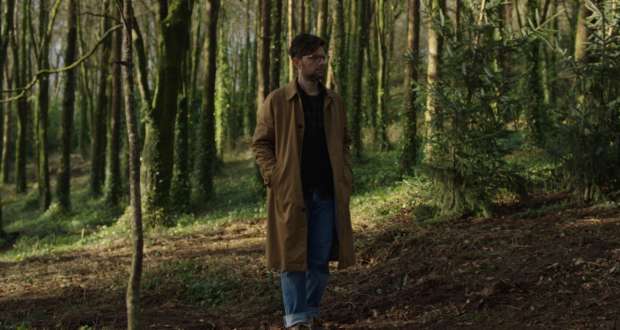

Romantic comedies tend to thrive on the push and pull of attraction, on awkward encounters and grand gestures that lead to happily-ever-afters. Romantic dramas, meanwhile, lean into the ways love can unravel and reshape lives. Chad Hartigan’s The Threesome, written by Ethan Ogilby, dares to straddle both traditions—sometimes with sparkling charm, sometimes with frustrating imbalance. What emerges is a messy, often funny, and occasionally devastating portrait of modern relationships. While not flawless, the film offers an engaging, emotionally layered exploration of love’s complications, elevated by its talented cast and its willingness to confront the less polished sides of intimacy.
Pure Chaos:
The film follows Connor (Jonah Hauer-King), a 30-year-old sound engineer whose earnest, sometimes fumbling heart is split between two women. Olivia (Zoey Deutch), his prickly, commitment-averse crush, represents the thrill of passion and unpredictability. Jenny (Ruby Cruz), a grounded grad student, embodies stability, warmth, and the possibility of a simpler life. Through a chance chain of events, the three characters collide—literally and emotionally—in ways that complicate their desires and test their boundaries.
What begins as a comedic setup—a love triangle born out of jealousy, impulsiveness, and a wild night together—slowly evolves into a drama about consequences, family expectations, and the fragility of trust. Hartigan and Ogilby don’t shy away from pushing the characters into situations where there are no easy answers. Instead of a neat resolution, the film highlights the unpredictability of love, its capacity to wound and to heal, often at the same time.
The Cast’s Strengths:
Much of The Threesome’s appeal rests on its performances. Zoey Deutch shines as Olivia, delivering one of her most nuanced roles yet. She’s sardonic and sharp-tongued, but beneath the surface lies a vulnerability that makes her both magnetic and frustrating. Deutch brings a layered humanity to a character who could easily have been reduced to a trope of the “cool but emotionally unavailable” partner.
Jonah Hauer-King’s Connor is a trickier figure. He’s not a stereotypical rom-com leading man; his choices aren’t always admirable, and his indecision drives much of the conflict. But Hauer-King infuses Connor with warmth and sincerity, making his flaws relatable rather than alienating. He captures the push-pull between desire and responsibility, and while viewers may not always root for Connor, they understand him.
Ruby Cruz is a standout as Jenny, playing her with both innocence and surprising steel. Jenny could have been written as a secondary obstacle to Connor and Olivia’s romance, but Cruz ensures she is much more. She embodies the dignity of someone caught in a situation not entirely of her making, refusing to be dismissed or underestimated. Her grounded performance adds moral weight to the film’s central dilemma.
Supporting players round out the ensemble with humor and energy. Jaboukie Young-White, as Connor’s confidant Greg, provides much of the comedic relief, delivering sharp one-liners and a welcome lightness. Josh Segarra and Julia Sweeney contribute memorable turns in smaller roles, anchoring the story with levity and emotional texture.
Hartigan’s Direction and Ogilby’s Script:
Director Chad Hartigan (Morris from America, Little Fish) has a knack for combining gentle humor with emotional depth. In The Threesome, he embraces both the chaos of farcical misunderstandings and the intimacy of heartfelt confessions. His direction keeps the film grounded even as the plot grows increasingly tangled. Nightclub sequences brim with energy, while quiet, domestic moments hum with intimacy.
Ethan Ogilby’s screenplay, meanwhile, is both ambitious and uneven. On one hand, it deserves credit for refusing to sanitize relationships into neat packages. The dialogue is witty and naturalistic, often mining humor from awkward truths. On the other hand, the film occasionally stumbles under the weight of its own complications. Subplots pile up, and the tone sometimes shifts abruptly from breezy comedy to intense melodrama. While this mirrors the unpredictability of real relationships, it risks leaving the audience feeling whiplash. Still, Ogilby’s script ultimately succeeds in capturing the paradoxes of love—its power to make people their best and worst selves.
Themes of Love, Commitment, and Identity:
It’s a film less about a literal three-way romance and more about the psychological tug-of-war between competing visions of love. Olivia represents excitement, risk, and emotional volatility; Jenny represents safety, tradition, and the comfort of being chosen. Connor’s journey lies in navigating his infatuations, his responsibilities, and his fantasies of what love should look like.
The film also interrogates gender dynamics in subtle but important ways. Olivia voices the frustration of being perceived as foolish for giving herself to someone whose loyalty is divided. Jenny embodies the cultural pressures of family expectations and the stigma of unconventional choices. Connor, for his part, is caught between competing social narratives: the expectation to “man up” and the desire to follow his heart, even when his heart is split. The film doesn’t resolve these tensions so much as hold them up for examination, asking viewers to sit in the discomfort.
Where It Falters:
For all its emotional richness, The Threesome is not without flaws. Its 112-minute runtime sometimes feels bloated, with certain plot turns dragging longer than necessary. The tonal balancing act—between rom-com lightness and dramatic weight—occasionally falters, making some transitions feel jarring.
More importantly, the film’s attempt to juggle multiple threads means that some characters’ arcs feel underserved. While Olivia and Connor receive ample focus, Jenny’s storyline could have been deepened further, especially given how central she is to the overall conflict. A tighter edit and sharper focus might have elevated the narrative to something truly remarkable.
Bittersweet Ending:
Without revealing specifics, The Threesome closes on a note that is simultaneously hopeful and unresolved. Hartigan resists the temptation of a conventional happy ending, opting instead for an acknowledgment of life’s ongoing messiness. This choice may frustrate viewers seeking clean resolutions, but it feels true to the story’s spirit. Love, the film suggests, is not about tidy solutions but about navigating imperfections with honesty and courage.
Overall:
The Threesome is an imperfect but compelling entry in the modern romantic dramedy canon. It combines sharp performances, an emotionally resonant script, and moments of genuine humor with narrative messiness that mirrors the very subject it explores. Zoey Deutch, Jonah Hauer-King, and Ruby Cruz anchor the story with depth and charisma, while Hartigan’s direction keeps the film lively even when the script stumbles.
For viewers willing to embrace the awkward, the complicated, and the unresolved, The Threesome offers a rewarding exploration of what it means to love—and to be loved—in all its chaotic glory. It may not be a film for everyone, but its blend of charm and raw honesty makes it a standout for those drawn to relationship stories that aren’t afraid to get messy.
Summary: Romantic comedies tend to thrive on the push and pull of attraction, on awkward encounters and grand gestures that lead to happily-ever-afters. Romantic dramas, meanwhile, lean into the ways love can unravel and reshape lives. Chad Hartigan’s The Threesome, written by Ethan Ogilby, dares to straddle both traditions—sometimes with sparkling charm, sometimes with frustrating imbalance. What emerges is a messy, often funny, and occasionally devastating portrait of modern relationships. While not flawless, the film offers an engaging, emotionally layered exploration of love’s complications, elevated by its talented cast and its willingness to confront the less polished sides of intimacy.