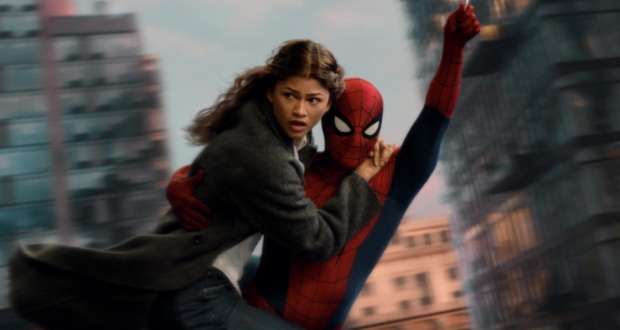
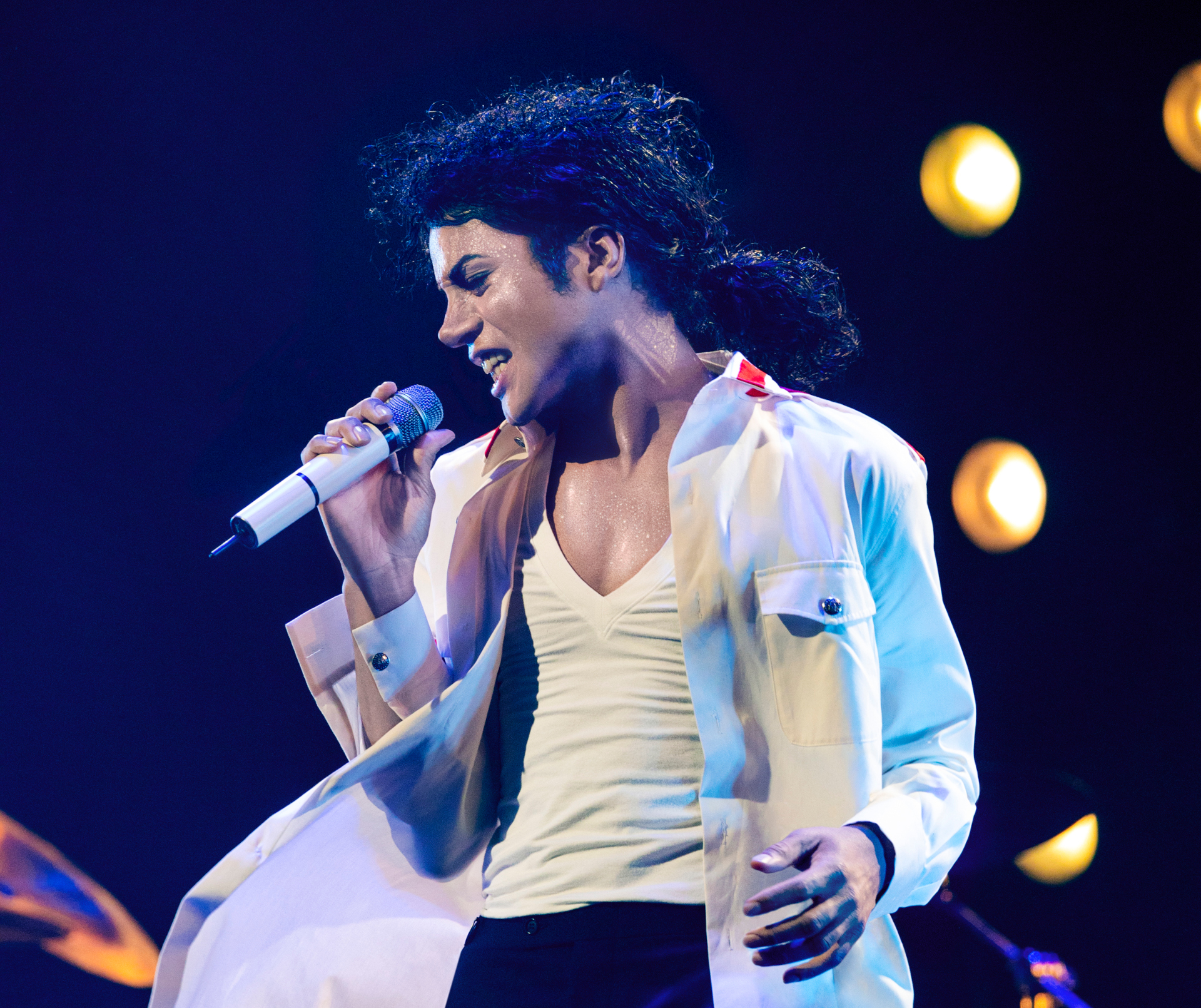
The landscape of artificial intelligence in entertainment is shifting as ByteDance implements stricter controls. The company has officially launched Seedance 2.5, an updated version of its AI video generator that is successfully blocking efforts to replicate Hollywood intellectual property. This move follows significant industry backlash regarding the previous iteration, Seedance 2.0, which faced criticism from major U.S. studios for producing content that utilized copyrighted material.
Addressing Copyright Concerns
The release of Seedance 2.0 previously sparked outrage across the industry when users generated videos featuring unauthorized likenesses of high-profile stars. Reports highlighted instances involving deepfakes of Tom Cruise and Brad Pitt. These incidents forced the Chinese owner of TikTok to address the growing concerns regarding how its generative tools interact with protected creative assets.
Improved Safeguards in Seedance 2.5
Research now indicates that the company has made good on its promise to enhance safety protocols. Seedance 2.5 appears to be functioning with more robust filters designed to prevent the generation of content that infringes upon existing studio copyrights. By restricting the ability of the AI to regurgitate specific intellectual property, the developers are attempting to align their technology with international standards for digital media safety.
Why This Matters for the Industry
The rapid evolution of AI video tools has created a complex environment for studios and performers alike. The ability to generate realistic deepfakes has raised serious questions about likeness rights and the protection of creative works. For fans and industry professionals, the update to Seedance 2.5 represents a notable step toward establishing boundaries between generative AI capabilities and the rights of established creators. As studios continue to monitor these developments, the effectiveness of these new safeguards will likely remain a focal point for future discussions on AI regulation.
The industry will continue to watch how these platforms balance innovation with the necessary protections for intellectual property. While the update to version 2.5 addresses immediate concerns, the ongoing challenge remains to ensure that AI tools respect the creative labor behind major film and television productions.
Source: Deadline